Life After This with Archers Gate, Asayda, and Bury Us All
Friday, July 10, 2026
Annie’s Music Center – Cincinnati, Ohio
Some nights start with chaos before you ever walk through the gate.
I left the house later than planned after my wife got home from work, and my daughters Bella, Valen, and I took a friend’s visiting daughter out for dinner before heading to the show. By the time I pulled into Annie’s Music Center, it was still hanging around 87 degrees with the kind of humidity that makes your camera strap feel twice as heavy.
As I stepped out of the car, I heard music.
Immediately, the internal panic kicked in.
Great… I’m already missing an opener.
I threw the camera bag over my shoulder, picked up the pace, and started speed-walking like every concert photographer who’s convinced they’re about to miss the first three songs.
False alarm.
It was only soundcheck.
My heart rate eventually returned to factory settings.
Having photographed Archers Gate here just a couple weeks ago, Annie’s Music Center already felt familiar. Even better, security apparently remembered me, or maybe they just remembered the guy carrying enough camera gear to film a documentory. Either way, they smiled, waved me through, and I was inside before I had a chance to dig for my credentials.
Experience paid off this time around.
After learning the room during my first visit, I packed smarter and brought the right lens for the venue. Sometimes photography isn’t about buying new gear; it’s about finally admitting you brought the wrong gear last time.
I rolled in around 7:45, set everything up, and waited to see if the advertised start time was more of a suggestion than a commitment.
It was.
While we waited, I swapped stories with a couple of fellow photographers, every pit eventually turns into a support group for people who willingly spend weekends carrying twenty pounds of equipment while trying not to get kicked in the head.
Then the music finally started.
The Openers Set the Tone
Bury Us All came out swinging with the kind of melodic metalcore that scratches the nostalgic itch for fans raised on early 2000s heavy music. Massive breakdowns, tight musicianship, and enough energy to wake up anyone who hadn’t finished their energy drink.
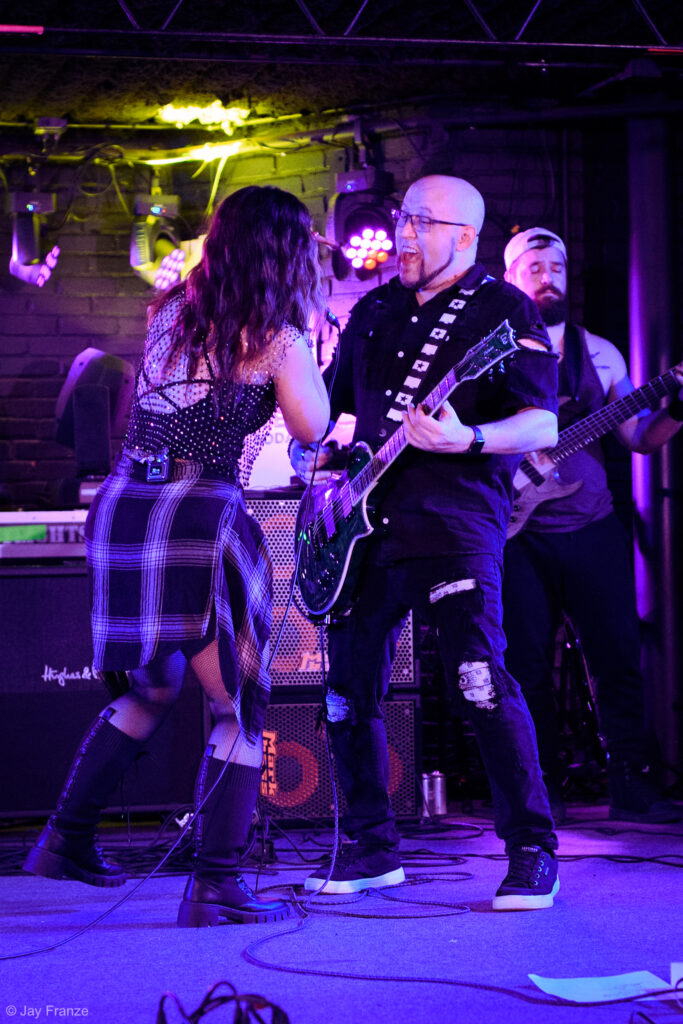
Asayda followed with a polished hard rock set that balanced aggression with melody. Having shared stages with bands like Sevendust, they looked completely comfortable commanding the crowd and kept the momentum moving forward.
Then came Archers Gate.
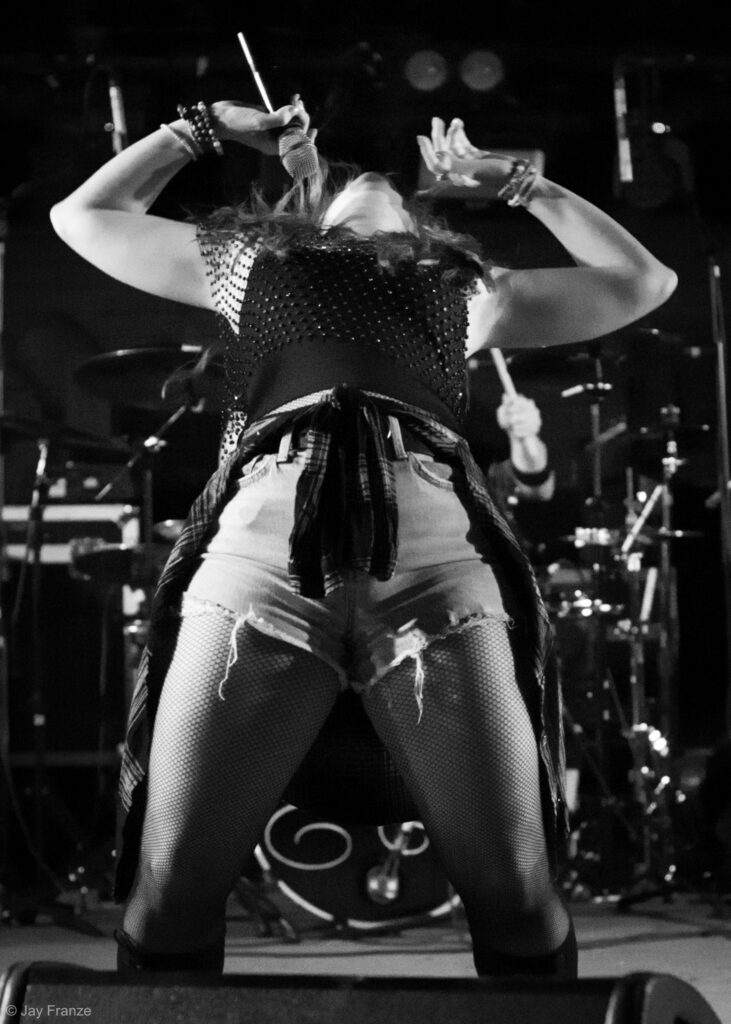
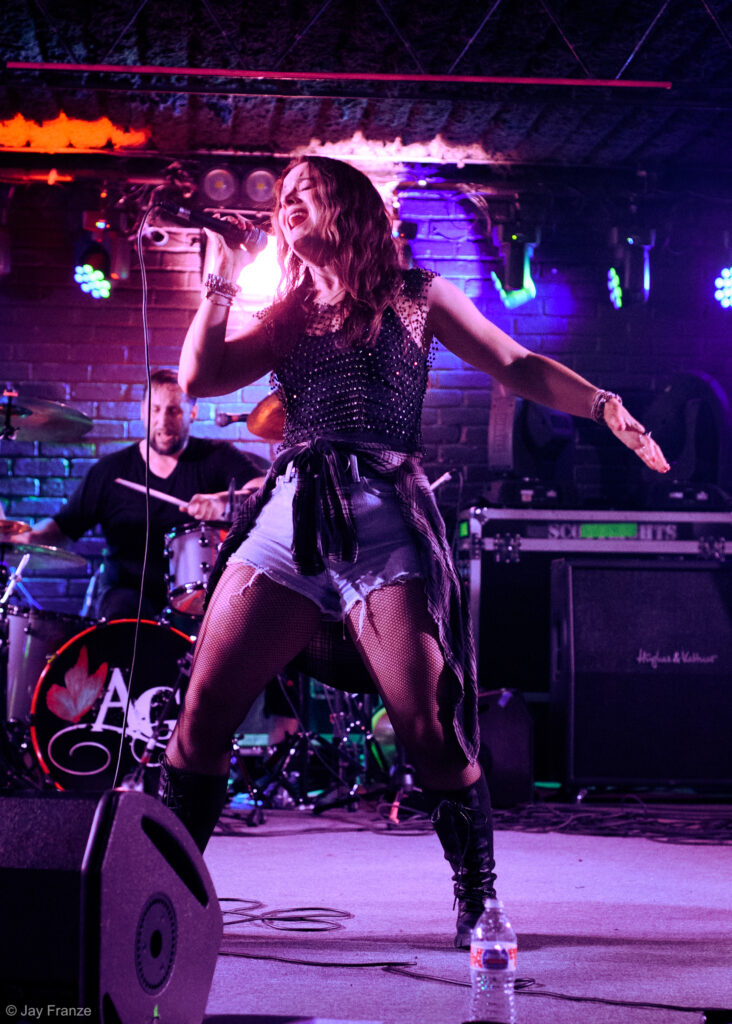
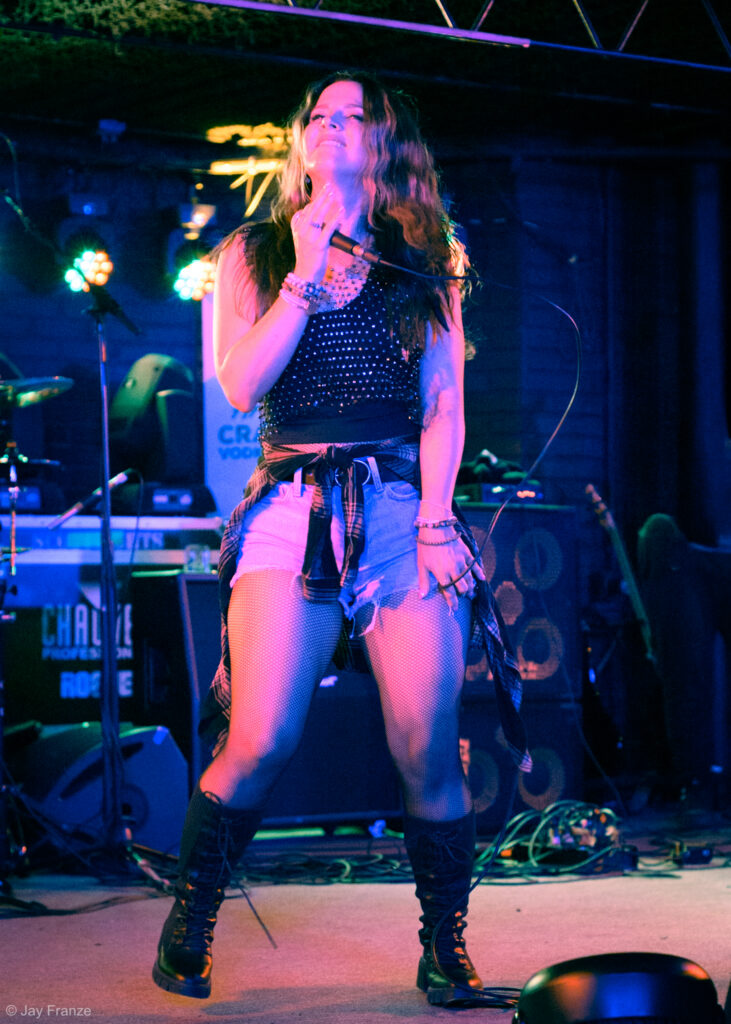
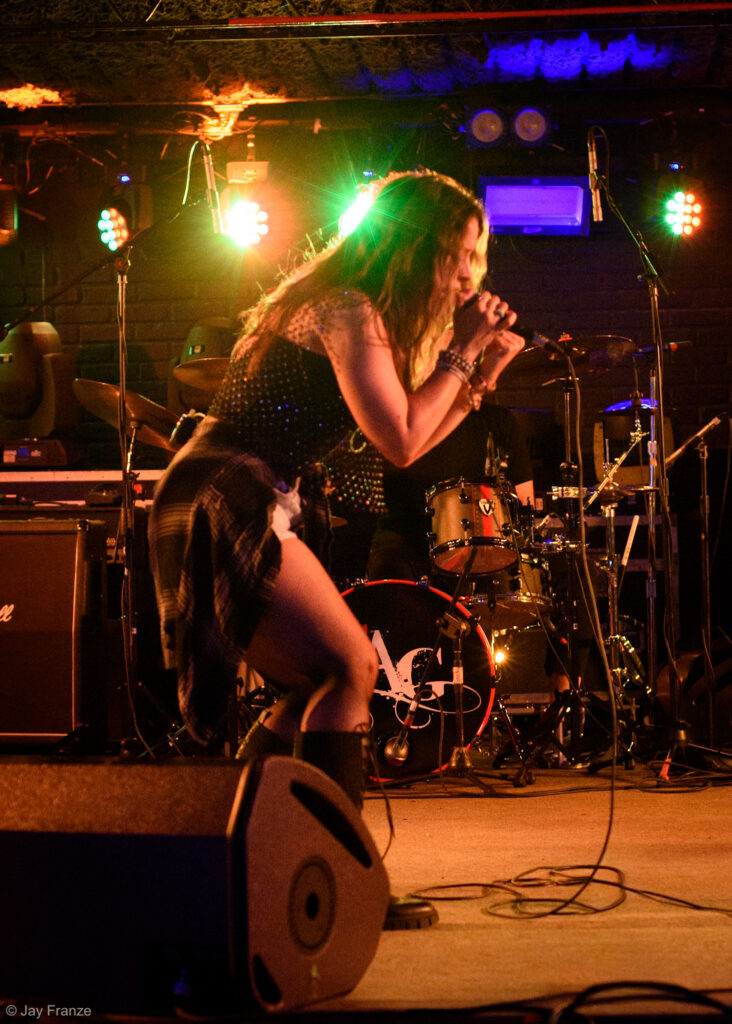
I’ve already covered these guys recently, but seeing them again only reinforced what I wrote after my first show, they’re becoming one of the more exciting local bands I’ve come across this year.
It probably helped that I’d spent the last week unintentionally memorizing half their catalog after leaving their music on repeat in my car.
Familiarity changes everything.
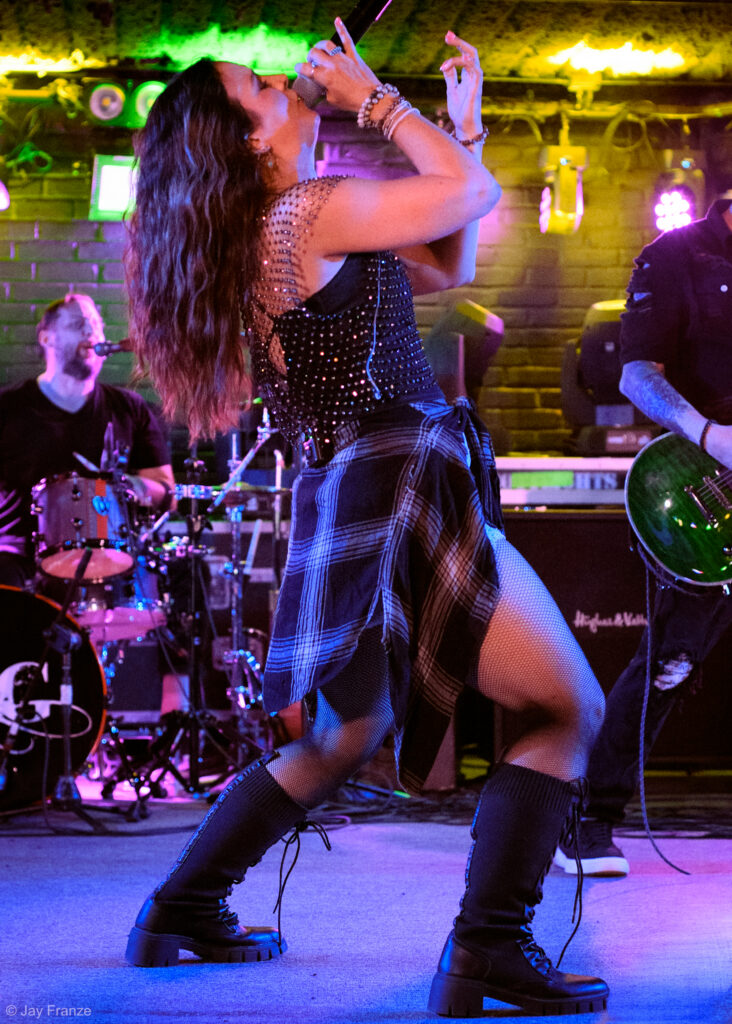
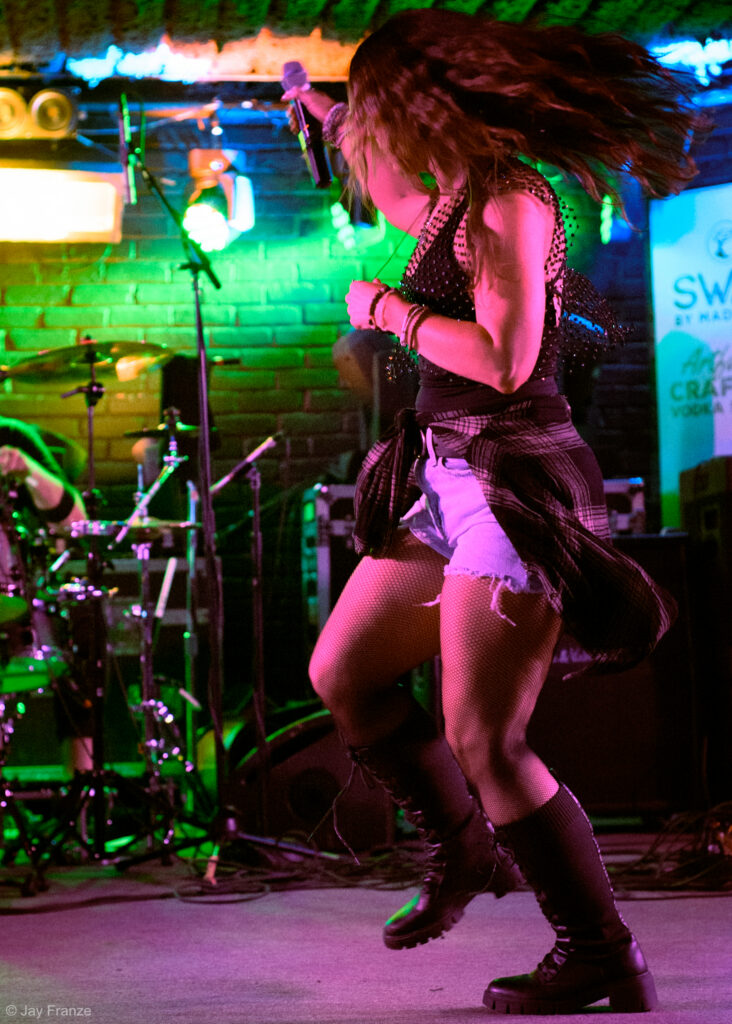
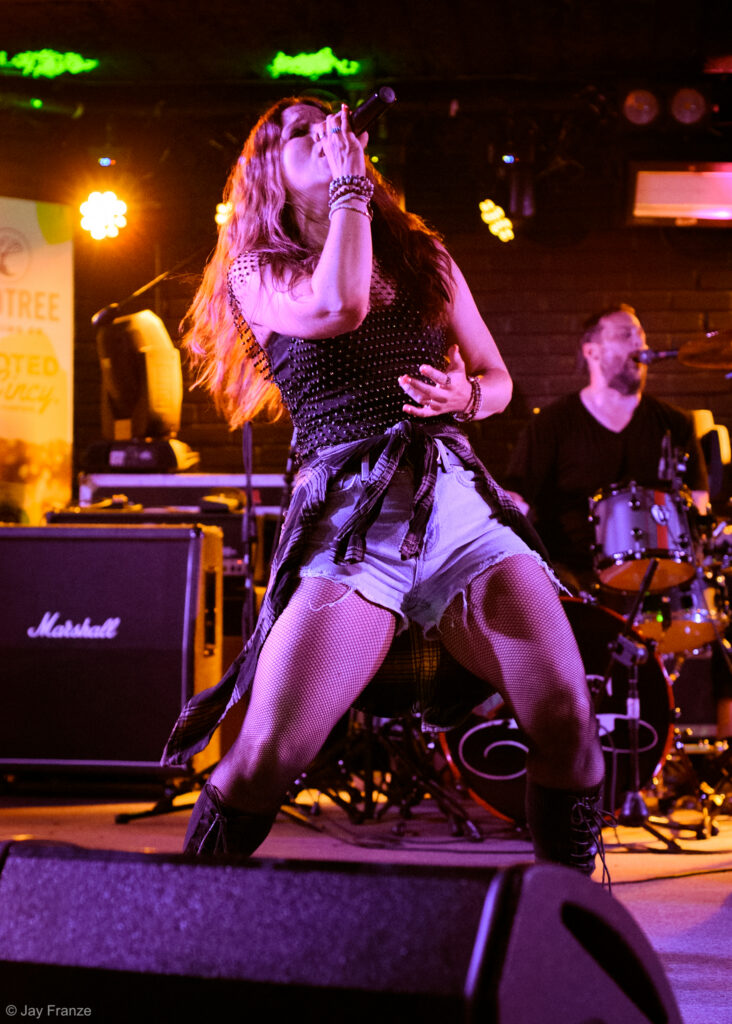
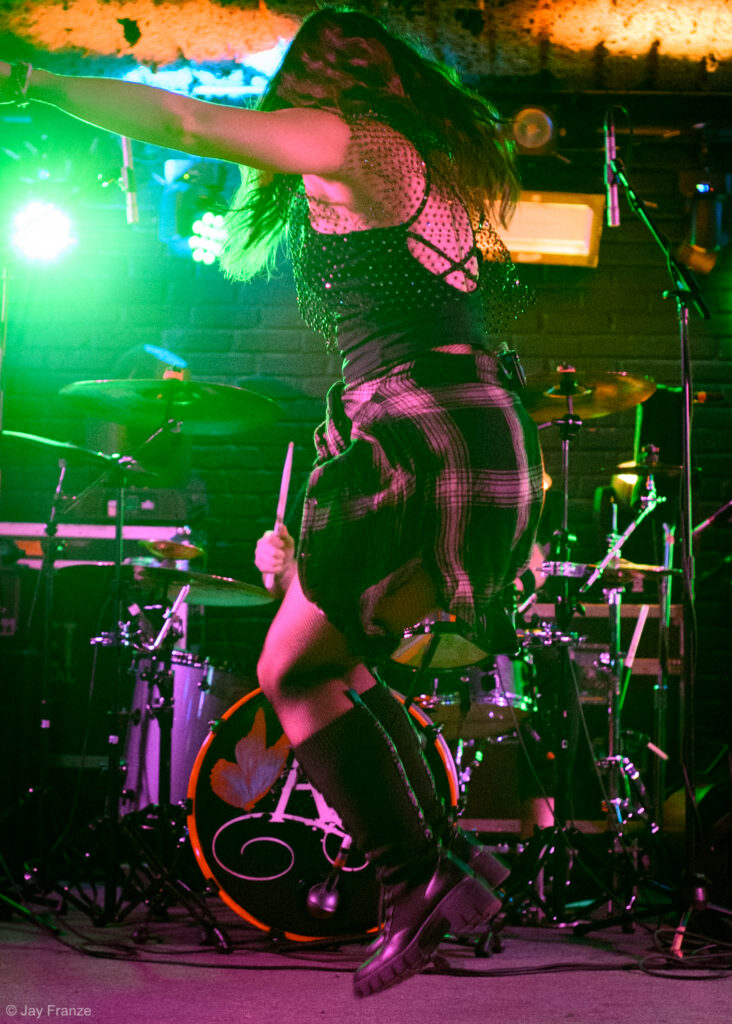
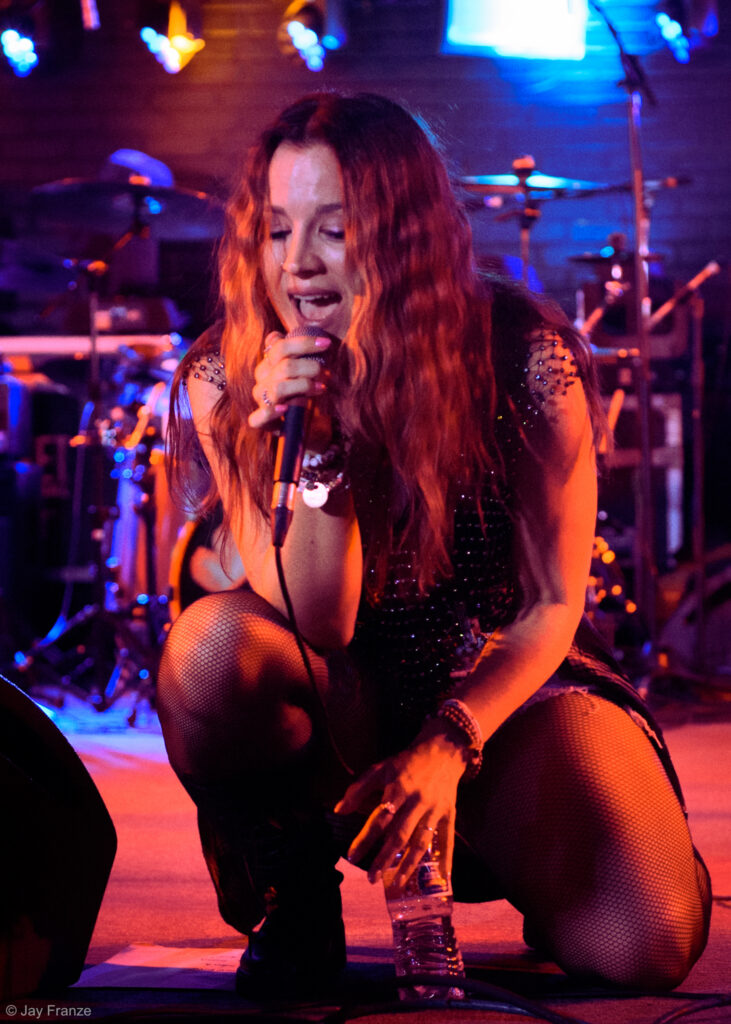
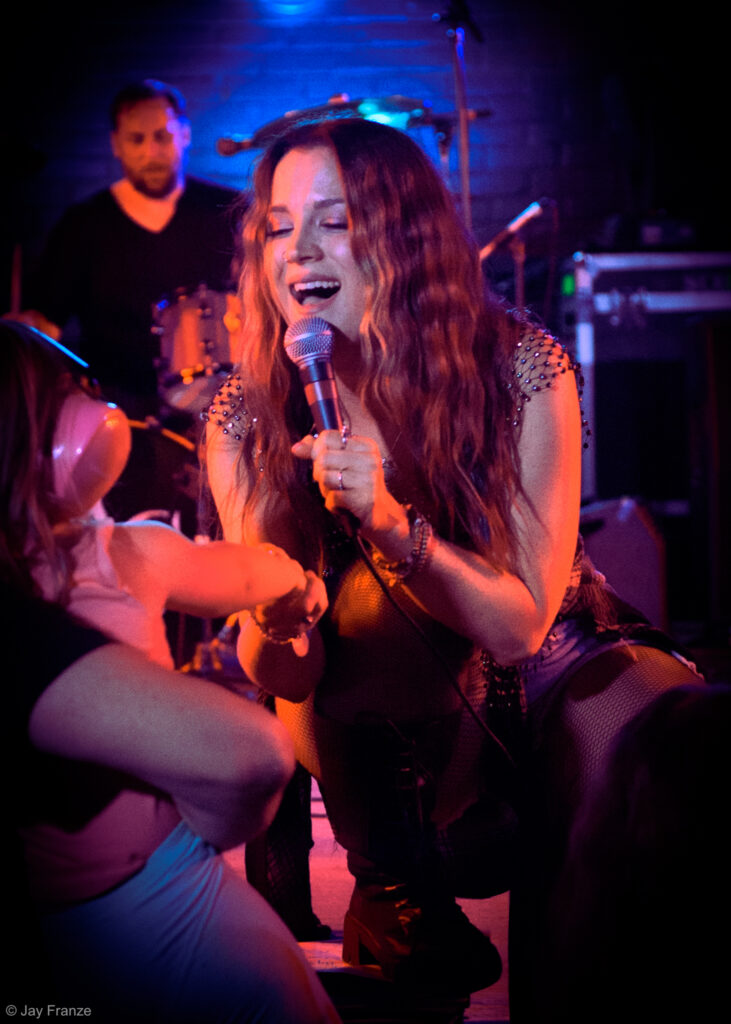
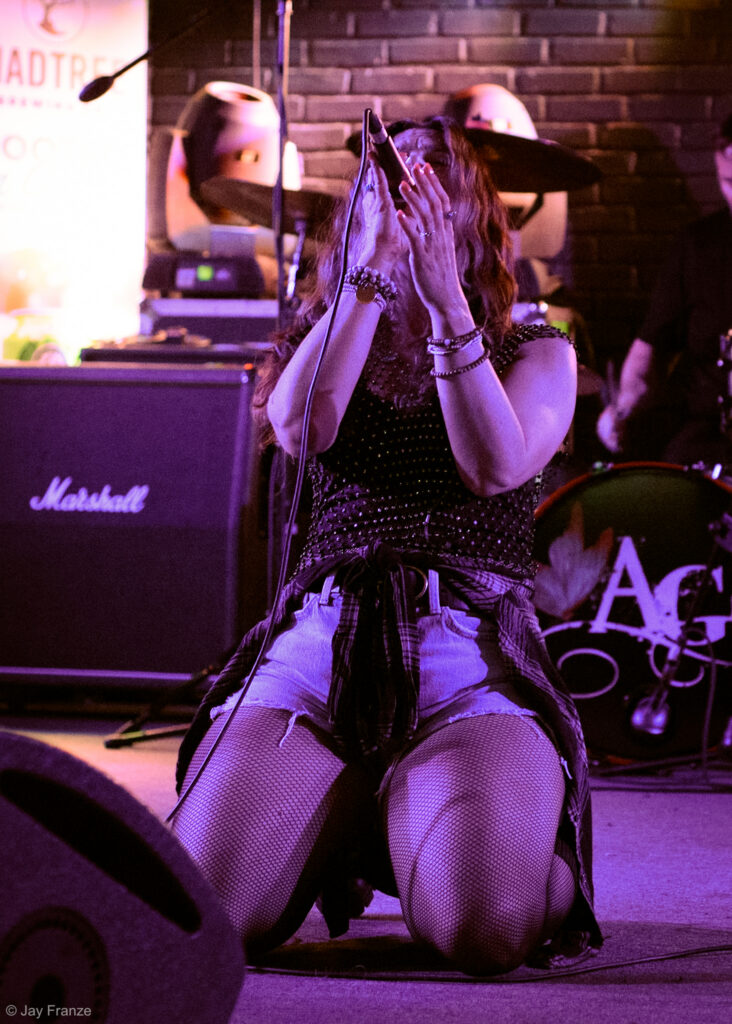
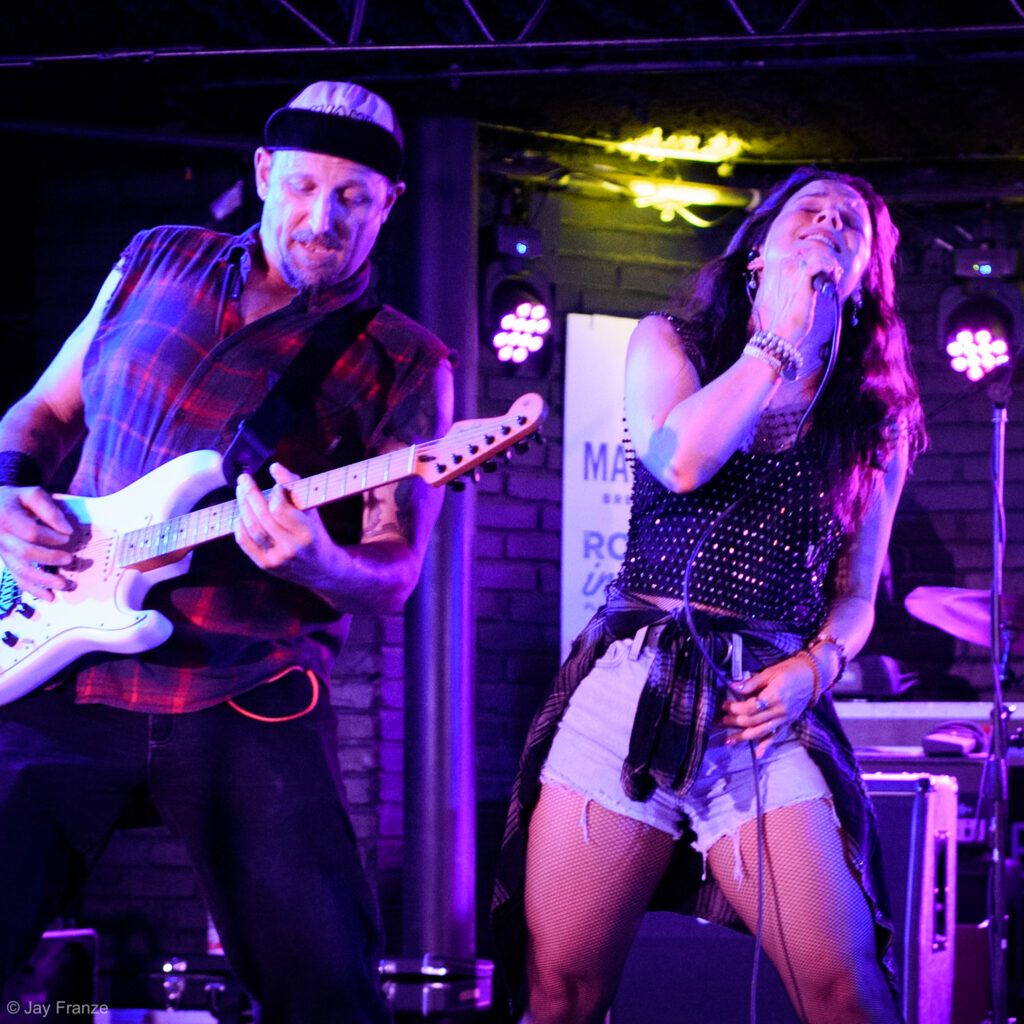
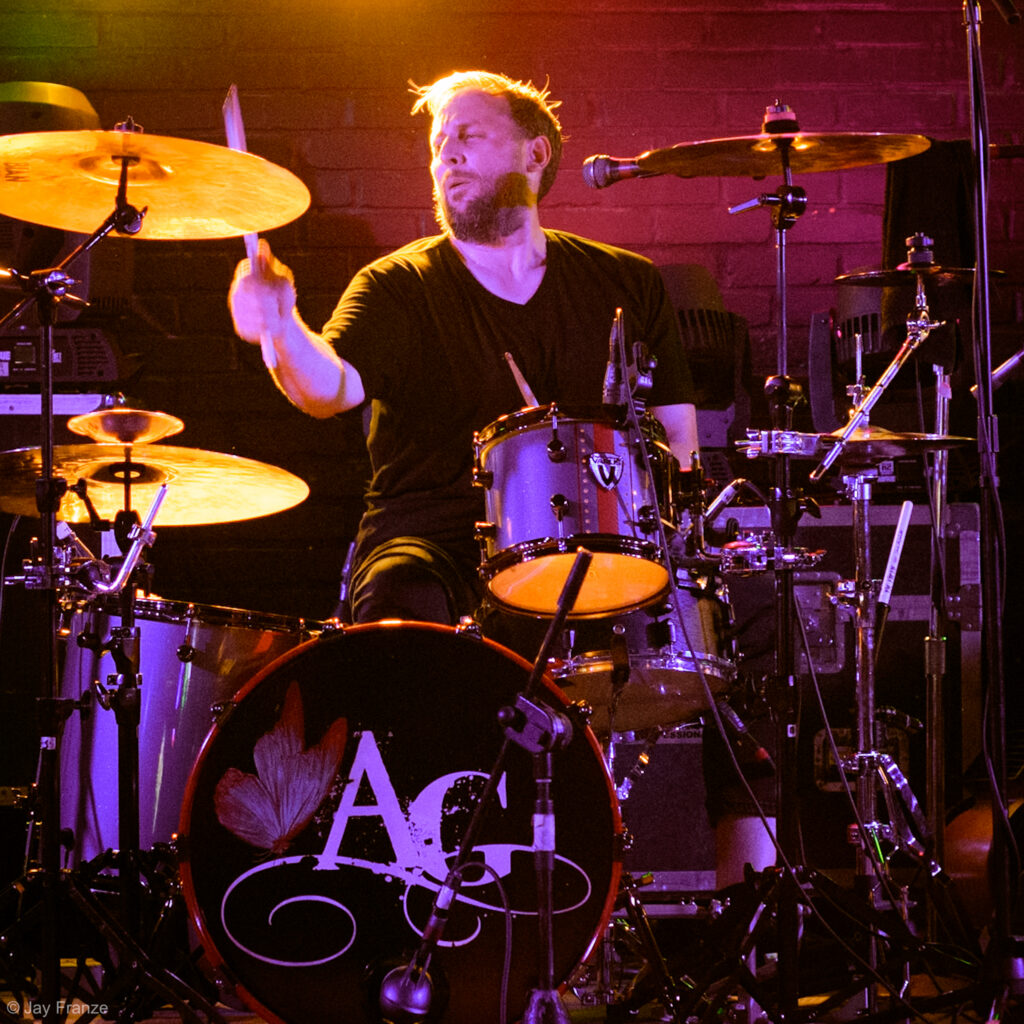
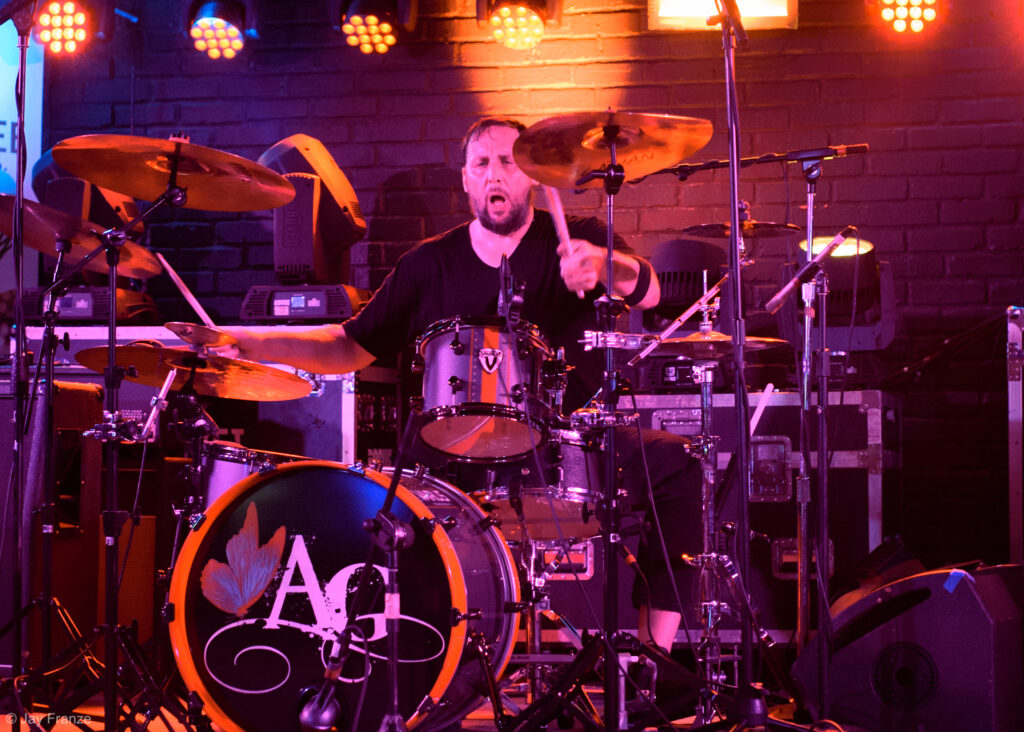
Instead of spending the set figuring out where the songs were going, I could simply enjoy watching them perform. Emily Schulte once again delivered a commanding vocal performance, while Joseph Bartone, Jake Bartone, and Josh Curran continued proving that chemistry can’t be faked.
Some bands are technically good.
Others simply feel connected.
Archers Gate falls into the second category.
When Everything Goes Wrong… and Nobody Notices
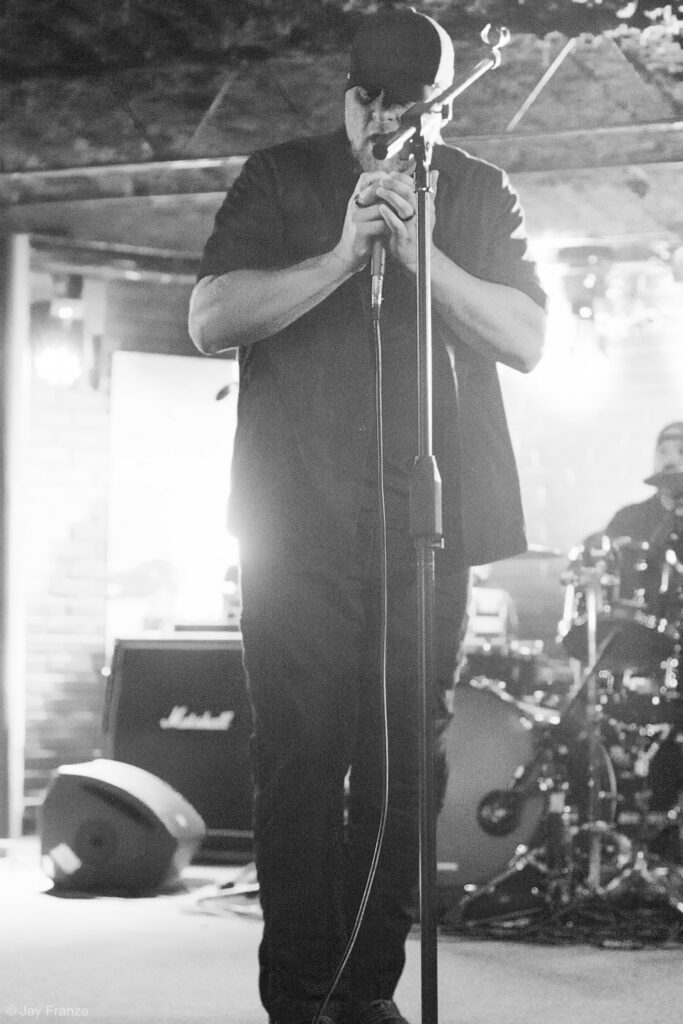
If Life After This had any plans for a dramatic opening using frontman Matt Fritsch’s bullhorn…
…physics had other ideas.
The batteries literally fell out before the show started.
Sometimes rock and roll isn’t glamorous.
Sometimes it’s chasing AA batteries across a stage while pretending nothing happened.
Unfortunately, the bullhorn wasn’t the only issue. House equipment problems seemed determined to make appearances throughout the evening, affecting multiple bands all night long.
Here’s the funny thing about live music, though.
Nobody remembers the gear when the band is good enough.
Life After This didn’t waste time worrying about what wasn’t working.
They simply got to work.
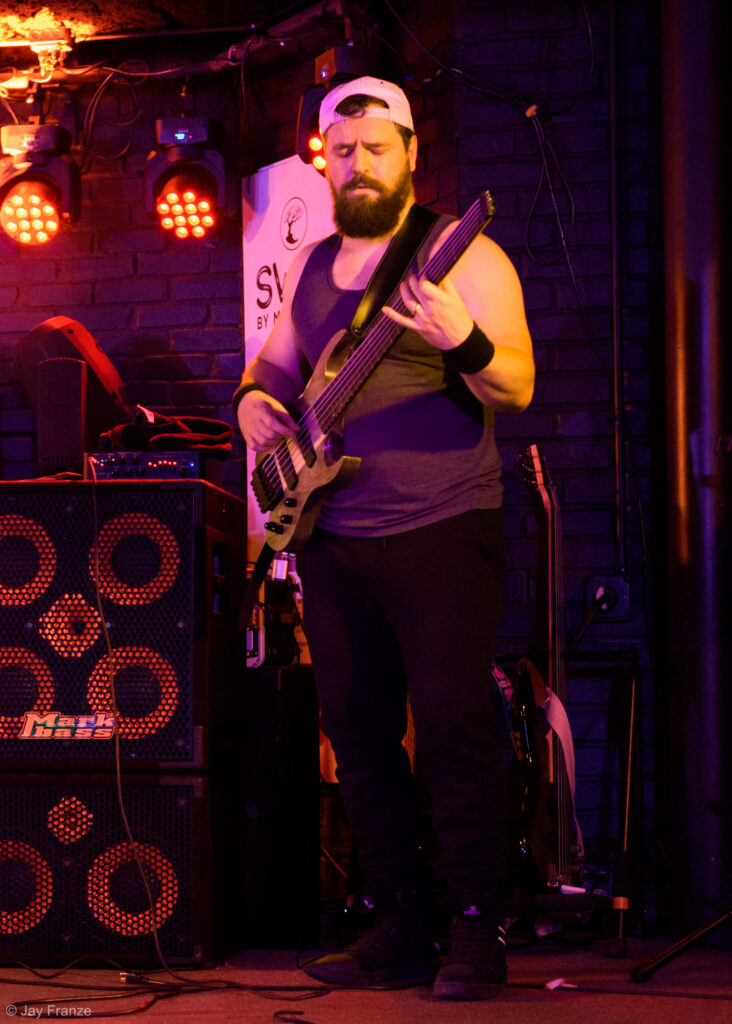
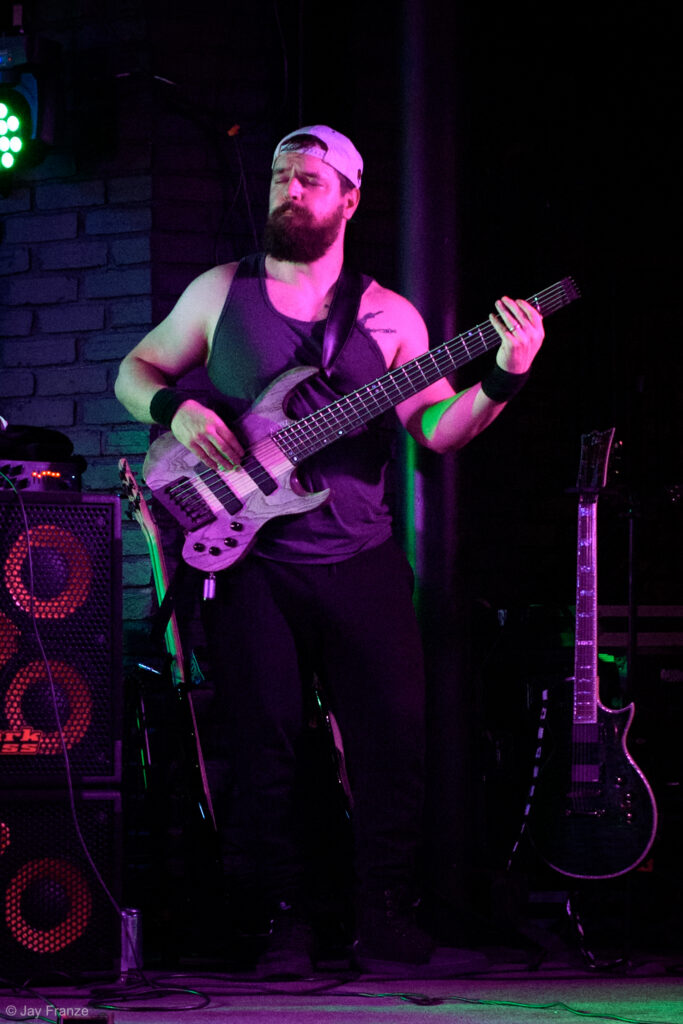
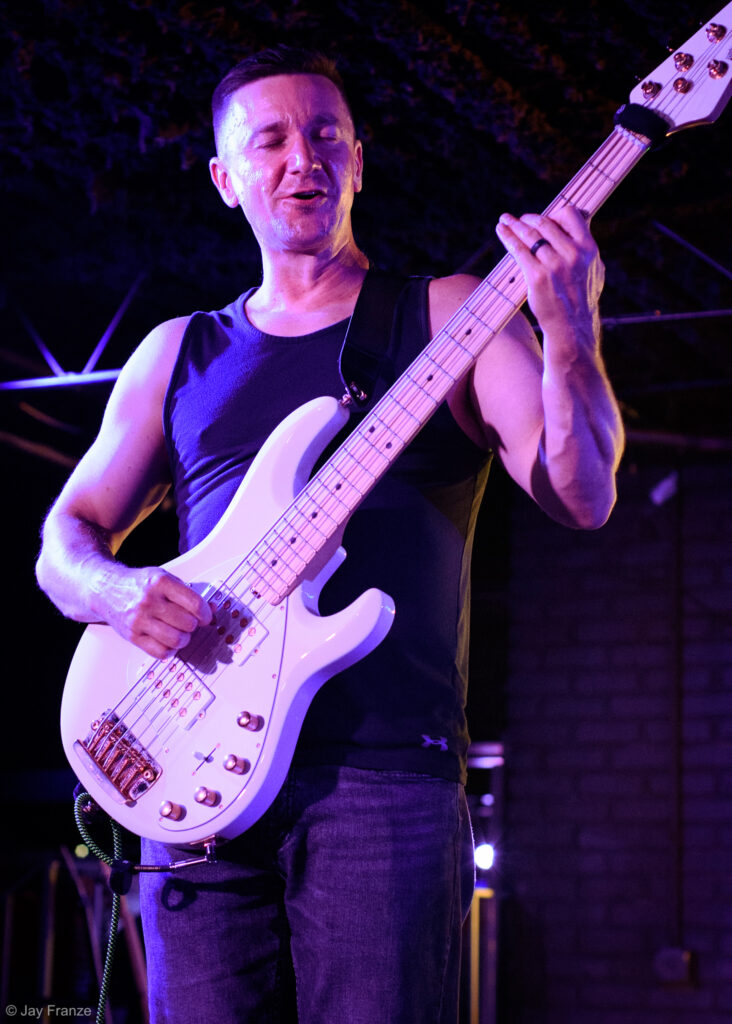
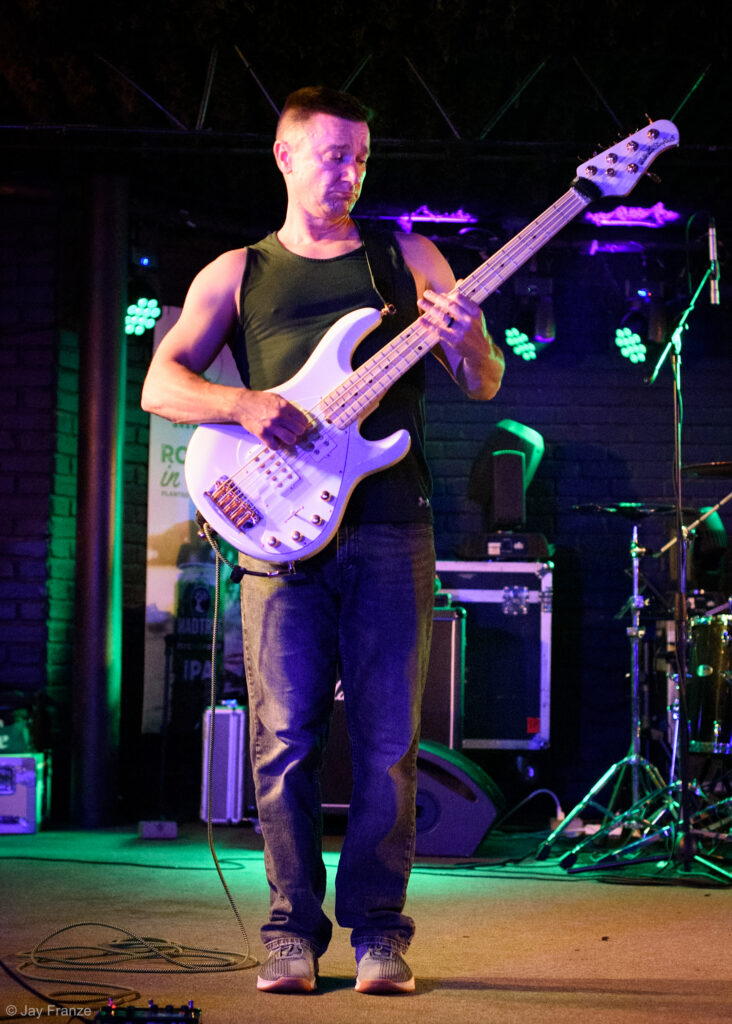
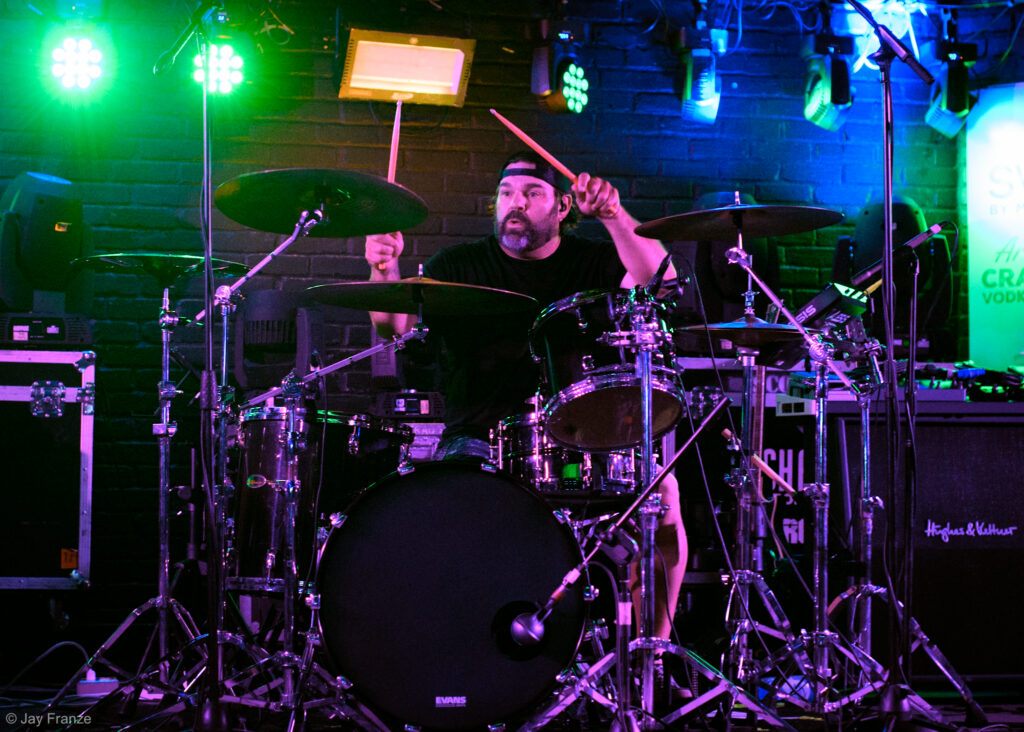
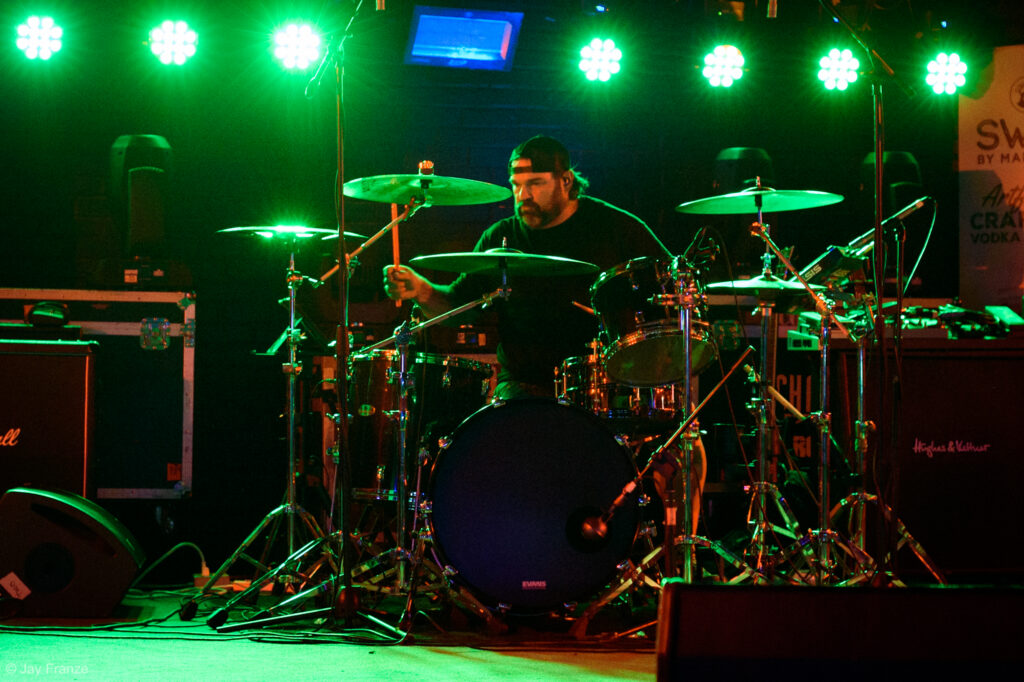
Drummer Matt Johnson laid down an absolute thunderstorm behind the kit, locking in perfectly with bassist Ray Vitatoe to build a rhythm section that felt more like controlled demolition than accompaniment.
Every heavy band talks about having a solid foundation.
Life After This actually has one.
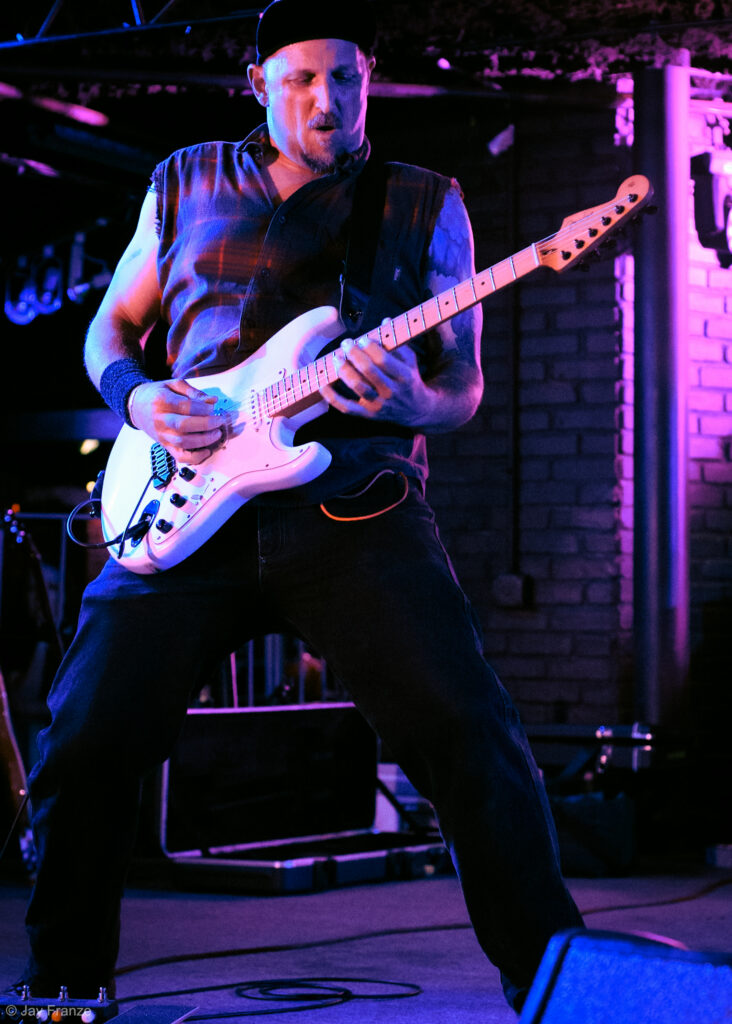
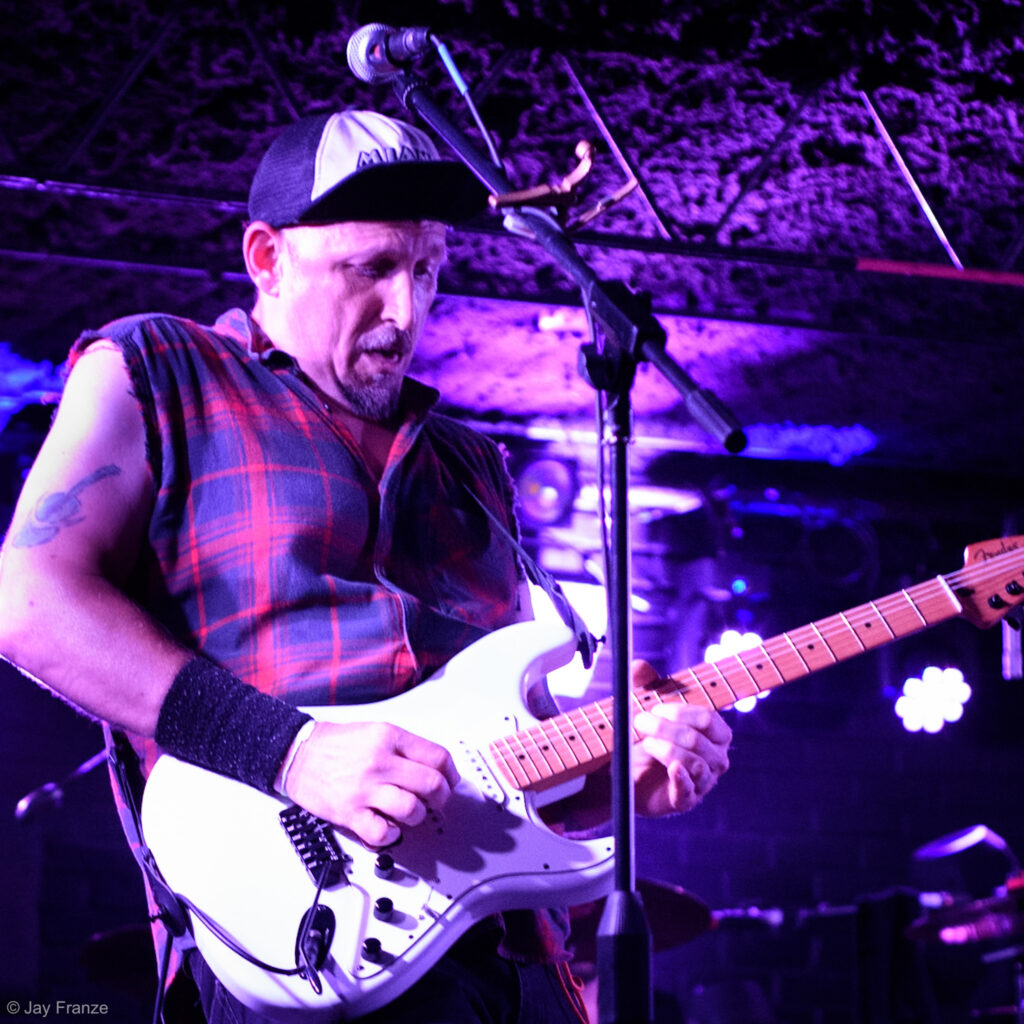
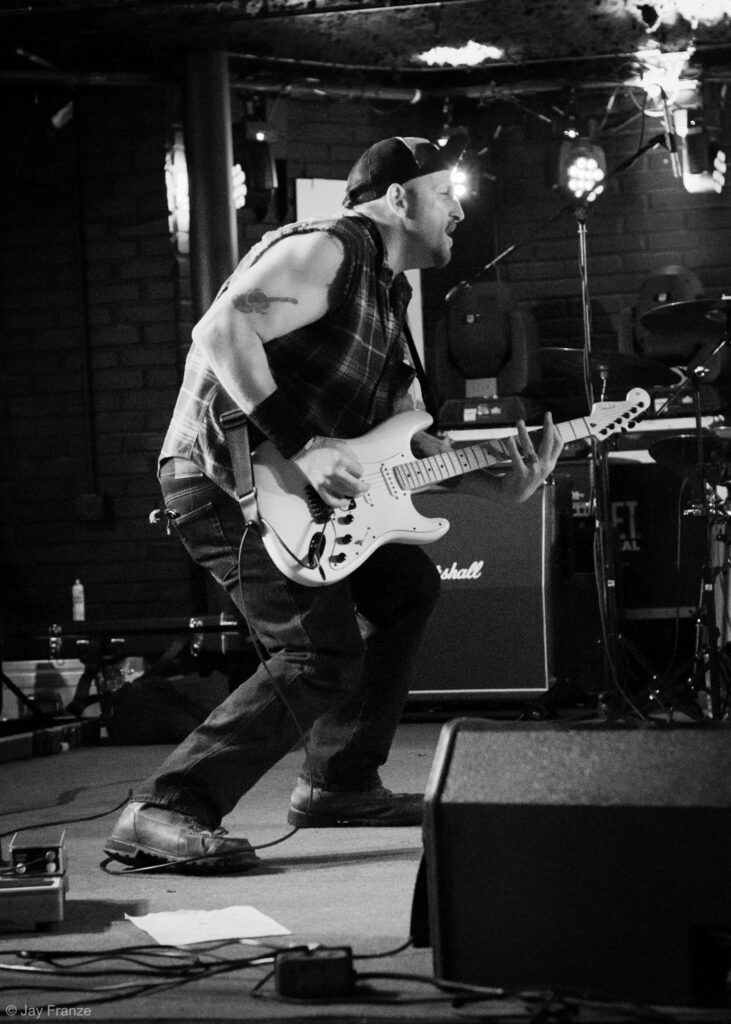
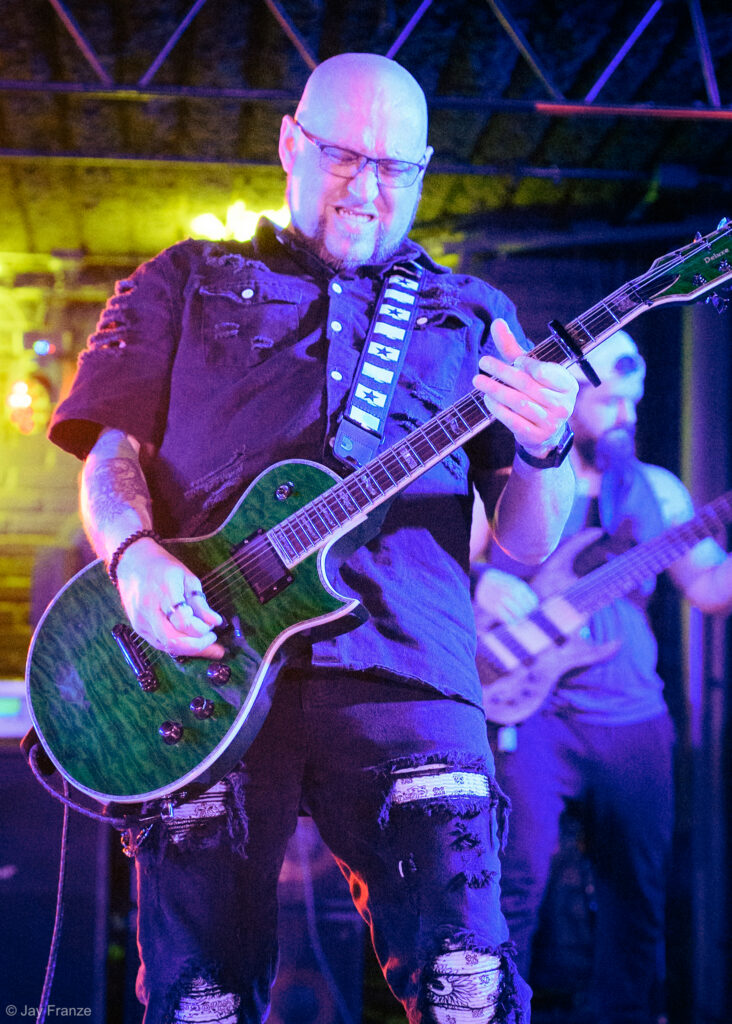
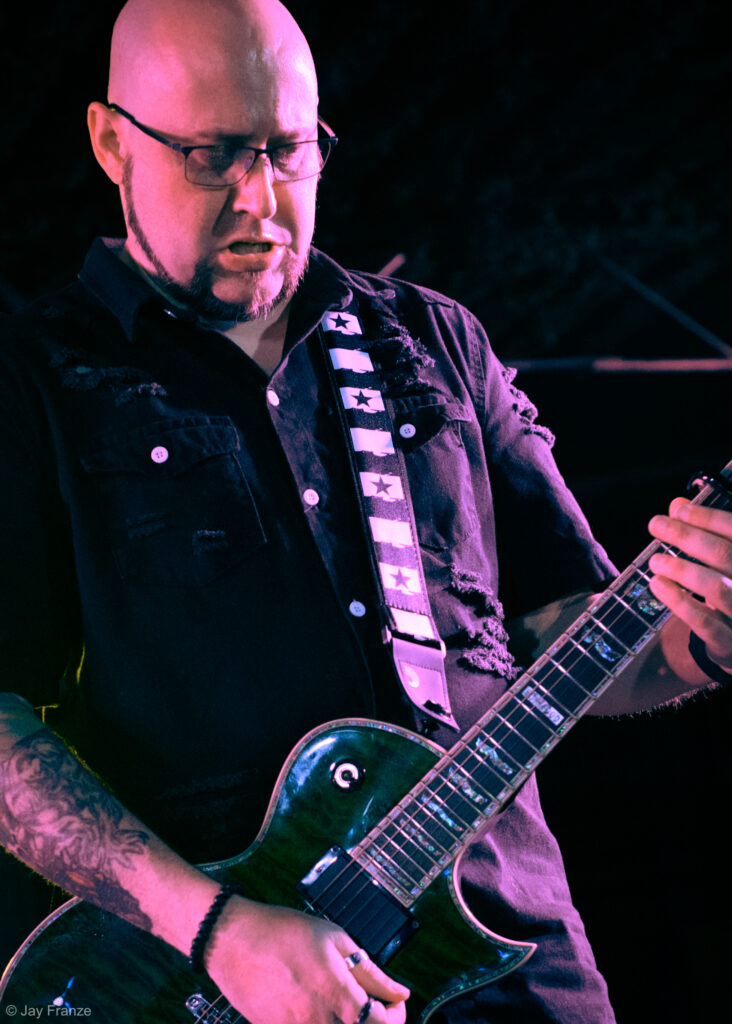
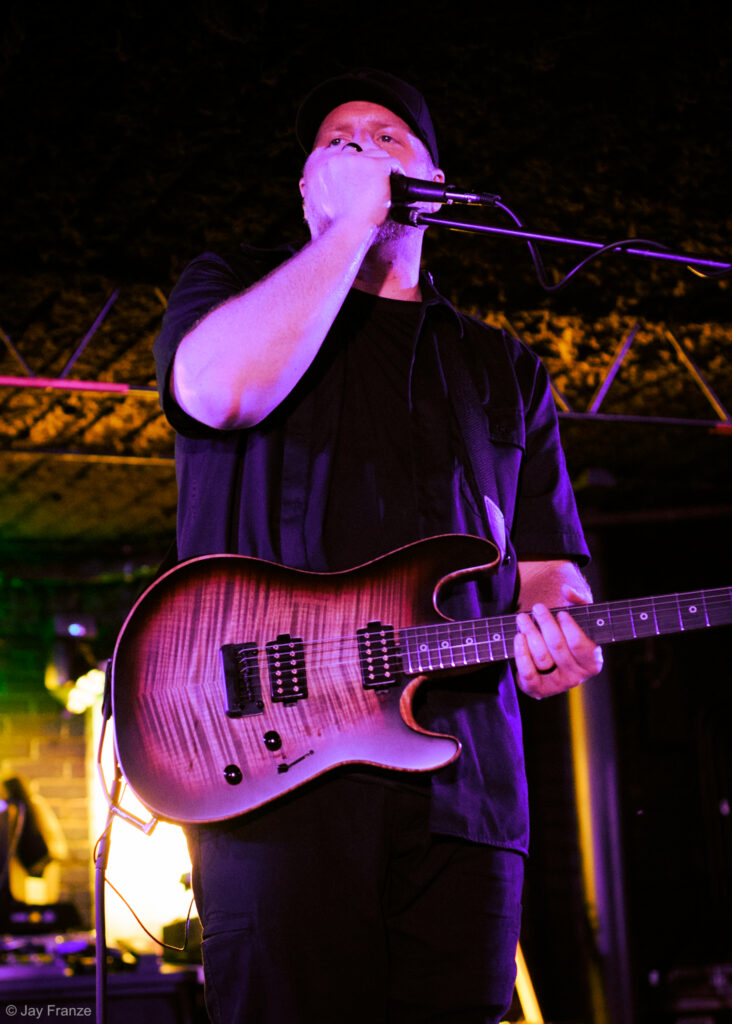
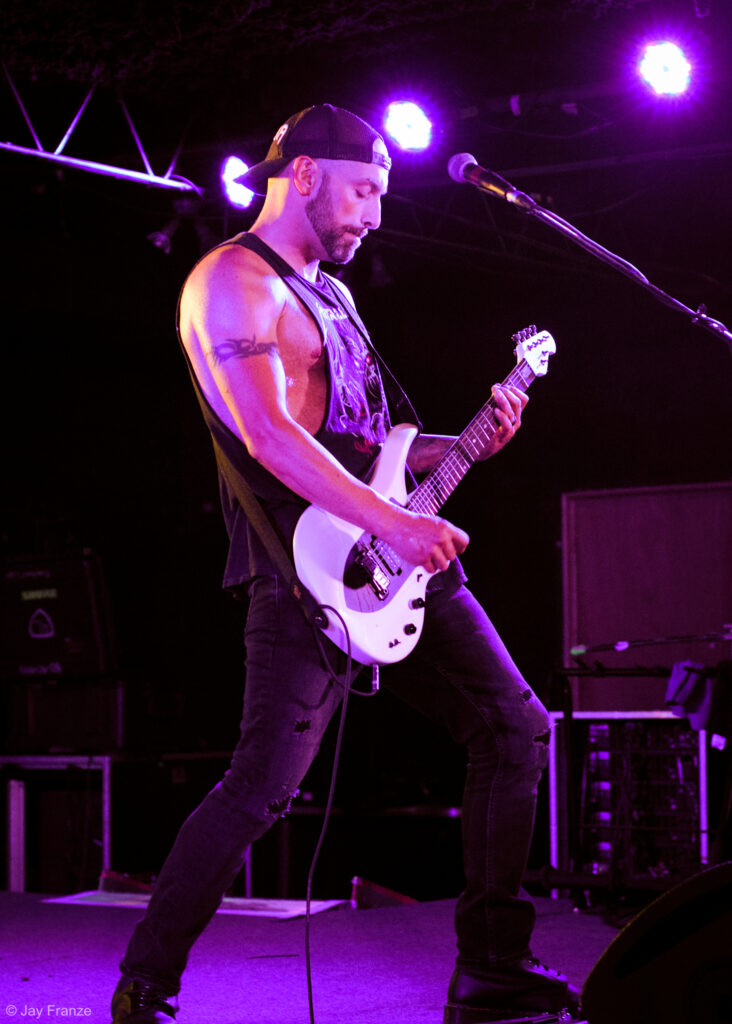
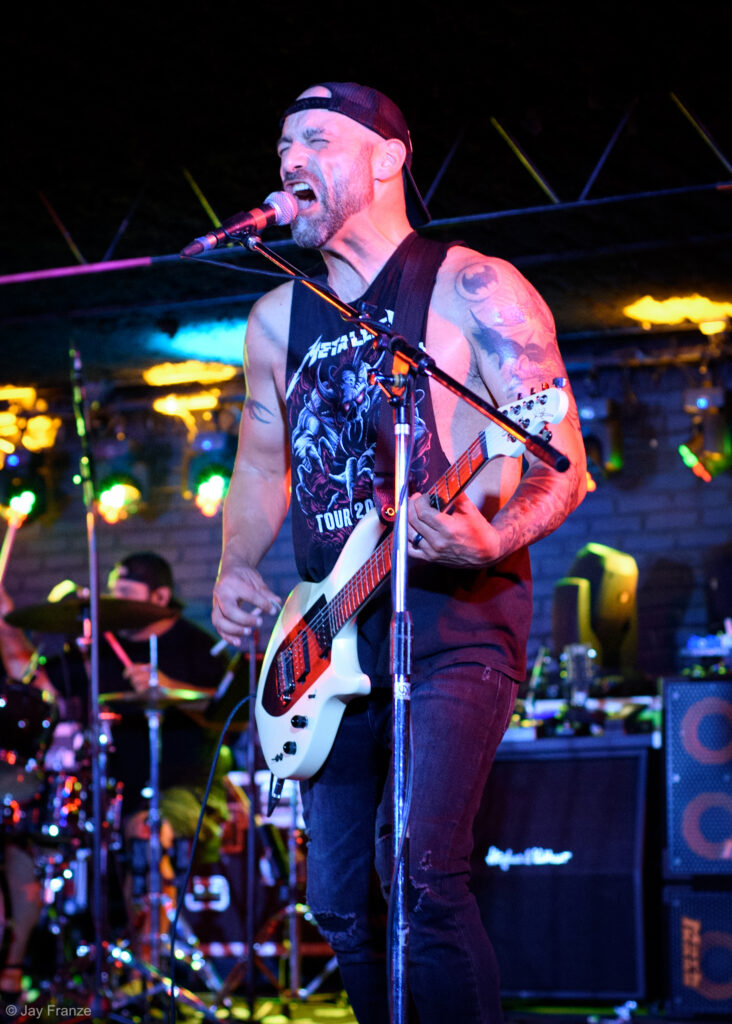
Meanwhile, guitarist Thomas Cheek was everywhere.
Some players stay rooted to one spot and let the guitar do the talking.
Thomas apparently decided both should talk.
His stage movement matched the intensity of his playing, creating the kind of visual energy that photographers secretly appreciate because stationary guitarists make for… let’s just say… less exciting photos.
The Crowd Became Part of the Show
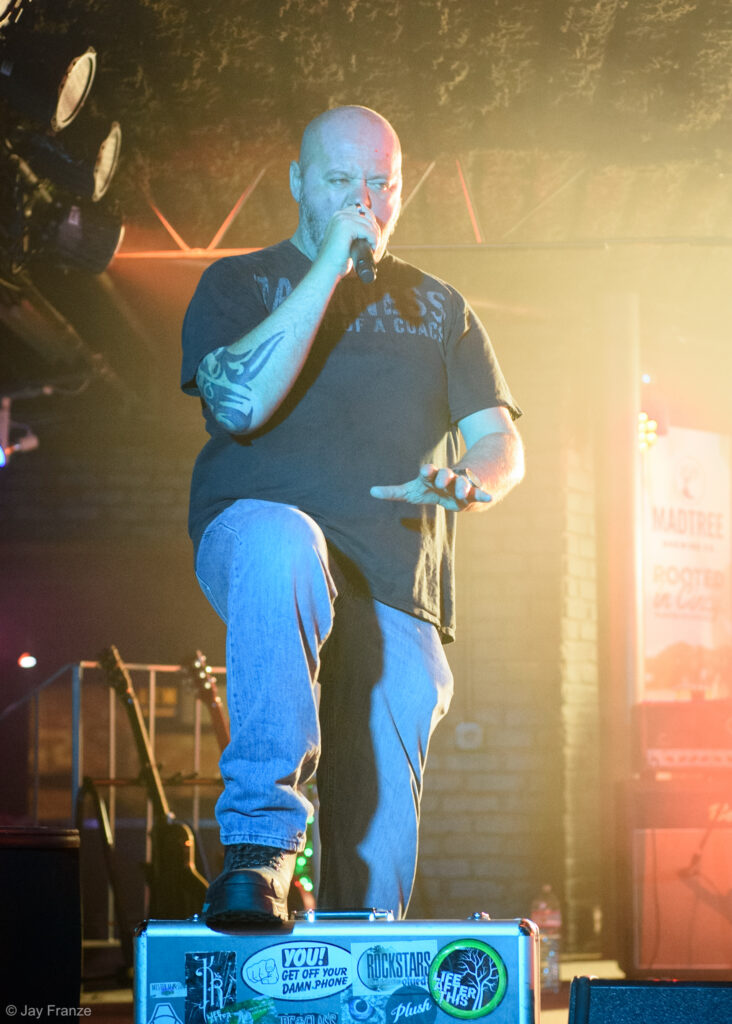
One of the night’s standout moments came when Matt Fritsch climbed off the stage entirely and headed straight into the crowd.
Surrounded by fans in the pit, the barrier between performer and audience completely disappeared.
It wasn’t staged.
It wasn’t forced.
It was simply a frontman feeding off the people who came to see him.
Then came a moment that completely shifted the atmosphere.
Matt invited a couple of young girls onto the stage during a song.
Watching them light up under the stage lights while enthusiastically headbanging alongside the band became one of those moments that reminds you why live music matters in the first place.
Heavy music often gets painted with the wrong brush by people who’ve never actually experienced the community surrounding it.
What they miss is this.
Metal shows can absolutely flatten your chest with volume.
They can also create moments where little kids are welcomed onto the stage to become part of the show.
Both things can be true.
No Bullhorn. No Problem.
Ironically, after all the early drama surrounding the broken bullhorn, I never did get the photo I thought I was going to capture.
Instead, I left with something better.
A collection of images from a band that refused to let technical problems become excuses.
The evening wrapped up with a powerful encore that sent everyone home satisfied, proving that the strongest performances aren’t always the ones where everything goes perfectly, they’re the ones where nothing goes according to plan, and the audience never feels the difference.
Before heading out, I caught up with Thomas Cheek to thank him for the performance and the hospitality.
One final stop at the bar was equally deserved.
I never caught the bartender’s name, occupational hazard when you’re trying to have a conversation next to several thousand watts of amplified guitars, but she took great care of me throughout the evening, and that’s worth recognizing.
Some people remember the songs.
Some remember the lights.
Photographers remember the bartenders who keep the water, okay, soda coming.
Final Thoughts
Life After This proved exactly why they’ve remained a fixture in the Cincinnati hard rock scene for more than a decade.
Equipment failed.
The bullhorn quit.
The house threw curveballs all night.
None of it mattered.
Because when the lights came up, the crowd wasn’t talking about technical issues.
They were talking about the performance.
And in live music, that’s about the best review a band can earn.
Links