Links

Archers Gate, Saturday, June 27, 2026 , Annie’s Music Center, Cincinnati, Ohio
Sometimes the concert experience begins long before the first note is played.
Leaving the house Saturday evening, I immediately questioned my wardrobe choice. An 80-degree evening paired with Midwest humidity isn’t exactly hoodie weather. Thankfully, the air conditioning in the car quickly made me feel better about the decision as I headed toward Annie’s Music Center for my first visit to the venue.
Formerly known as Riverfront Live, Annie’s Music Center sits along the banks of the Ohio River and offers a unique indoor-outdoor concert experience. Since I’d never been there before, and certainly had never photographed a show there, I intentionally arrived early to familiarize myself with the layout before the evening officially began.
Although doors were scheduled to open at 6:30 p.m., a line had already formed outside while everyone waited. Fortunately, it wasn’t long before the doors opened and the crowd began making its way inside.
After confirming my media credentials, I navigated what felt like a surprisingly thorough security process, metal detector, two bouncers, and a final stop with the door girl, before finally stepping into the venue.
The room immediately caught my attention.
Dark, intimate, and full of character, it had an unmistakable New York club atmosphere. Realizing my original camera setup wasn’t going to be ideal for the lighting conditions, I made a quick trip back to the car to swap equipment before repeating the security process all over again. Once inside for good, I settled in and prepared for the show.
While waiting, I chatted with one of the bartenders, who happily recommended a few menu items from the food truck parked outside. Unfortunately, the evening moved quickly enough that I never got the chance to take their advice, a problem I’ll happily fix on my next visit.
Then the house lights dimmed.
Instead of the typical intro music, the audience was greeted by something entirely unexpected: an educational narration about butterflies and metamorphosis. It felt random at first, almost like an unfinished thought, but as the night unfolded, it became clear this wasn’t filler. It was the beginning of a story the band intended to finish.
Archers Gate wasted no time making an impression.
Opening with “Suffocate,” the band immediately established the emotional tone of the evening. Heavy guitars, driving rhythms, and Emily Schulte’s commanding vocals created an atmosphere centered around internal conflict and personal struggle. Without missing a beat, they flowed directly into “Run & Hyde,” maintaining the momentum while showcasing the melodic edge that has quickly become part of the band’s identity.
Formed in late 2024, Archers Gate describes themselves as creating “melodically charged songs that resonate with real-life experiences,” and that description couldn’t have been more fitting. Rather than relying solely on heaviness, the band balanced intensity with memorable hooks and emotionally driven songwriting.
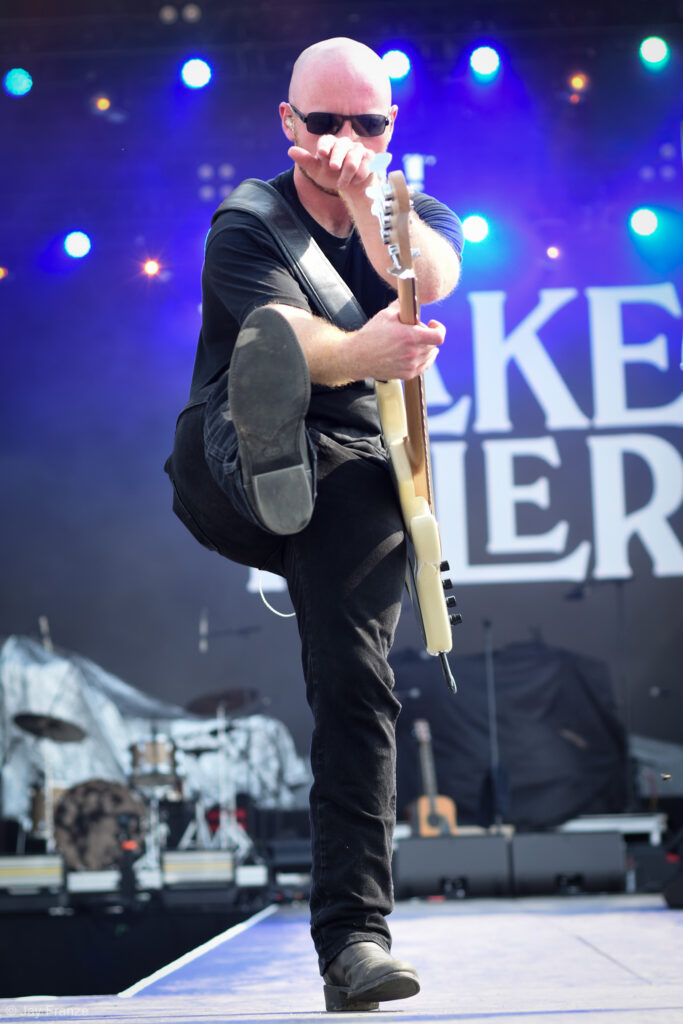
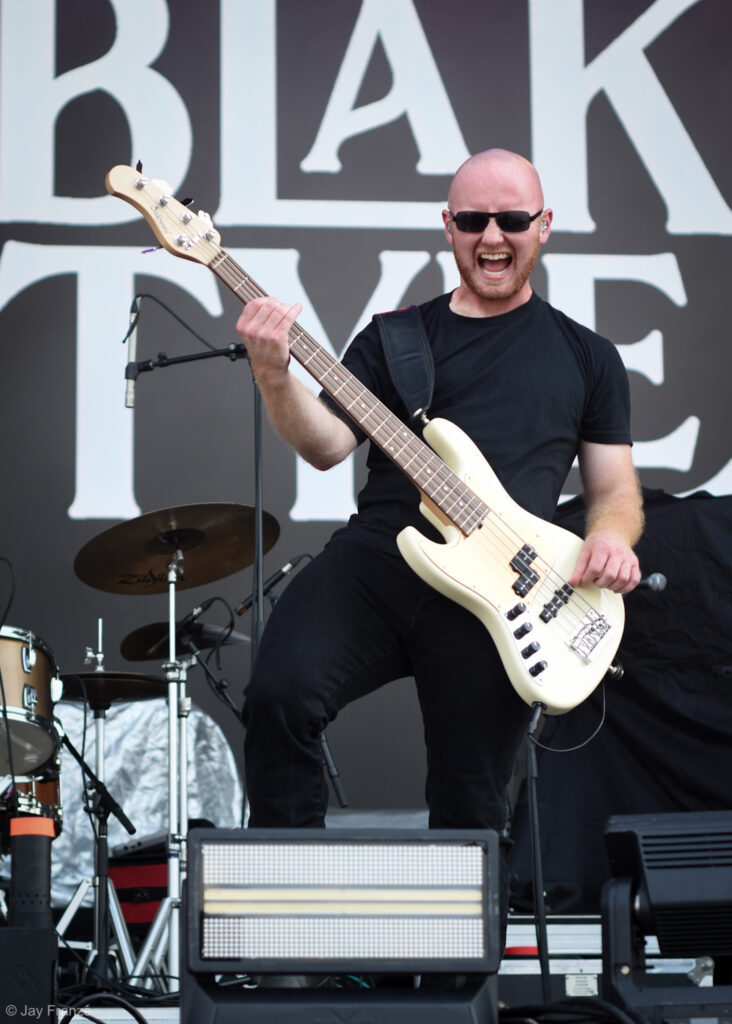
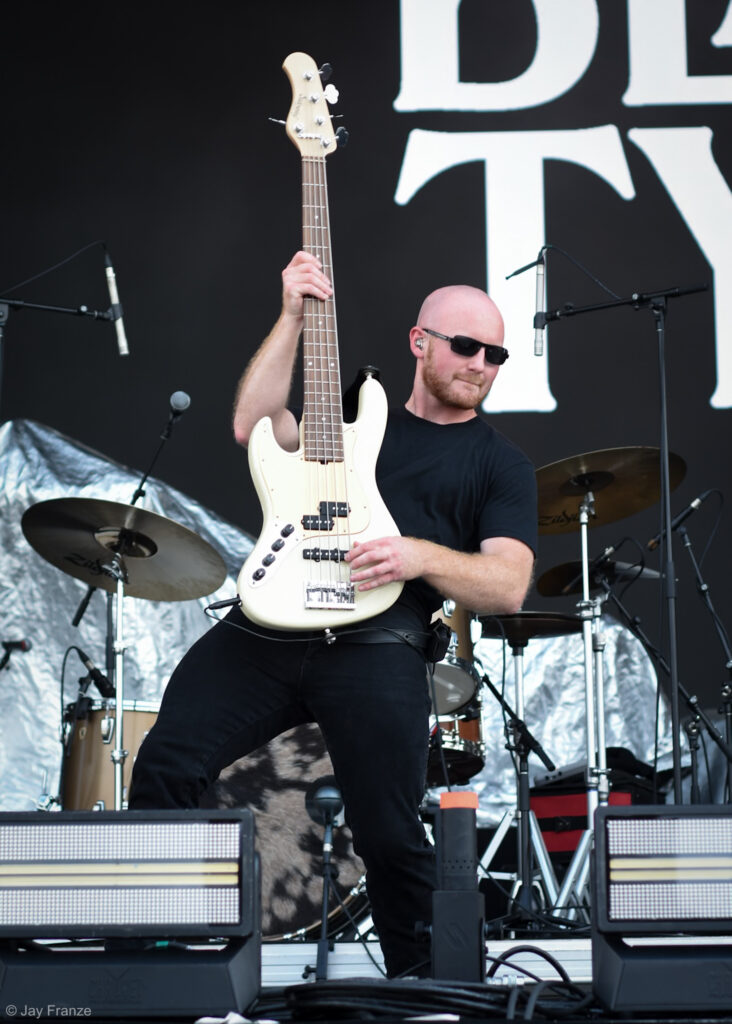
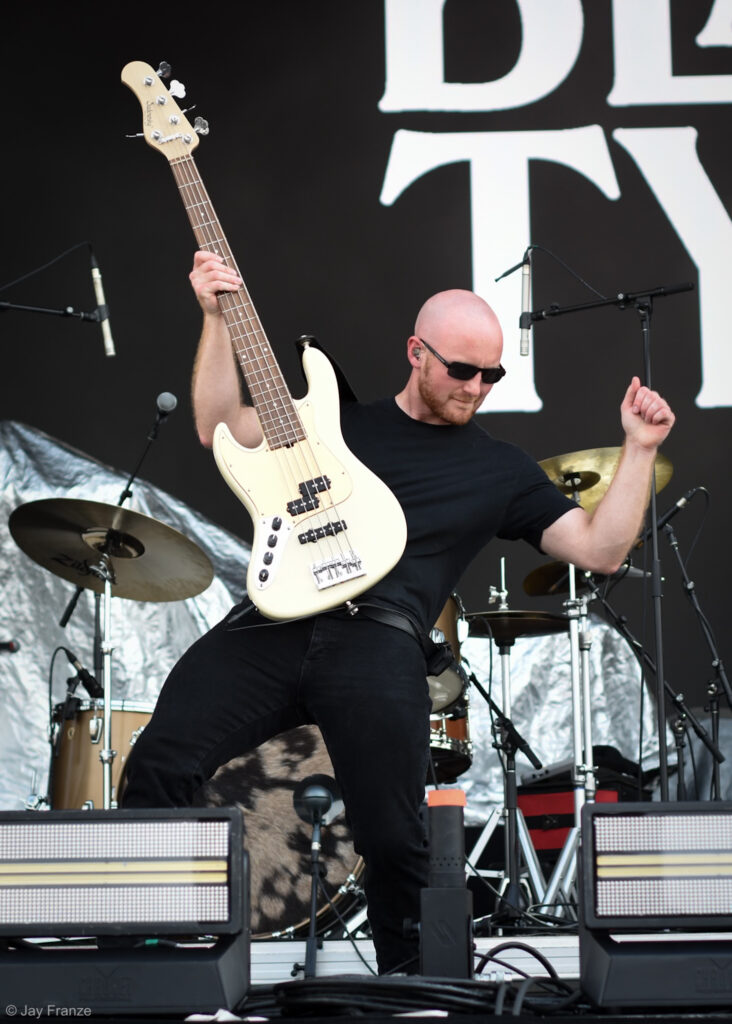
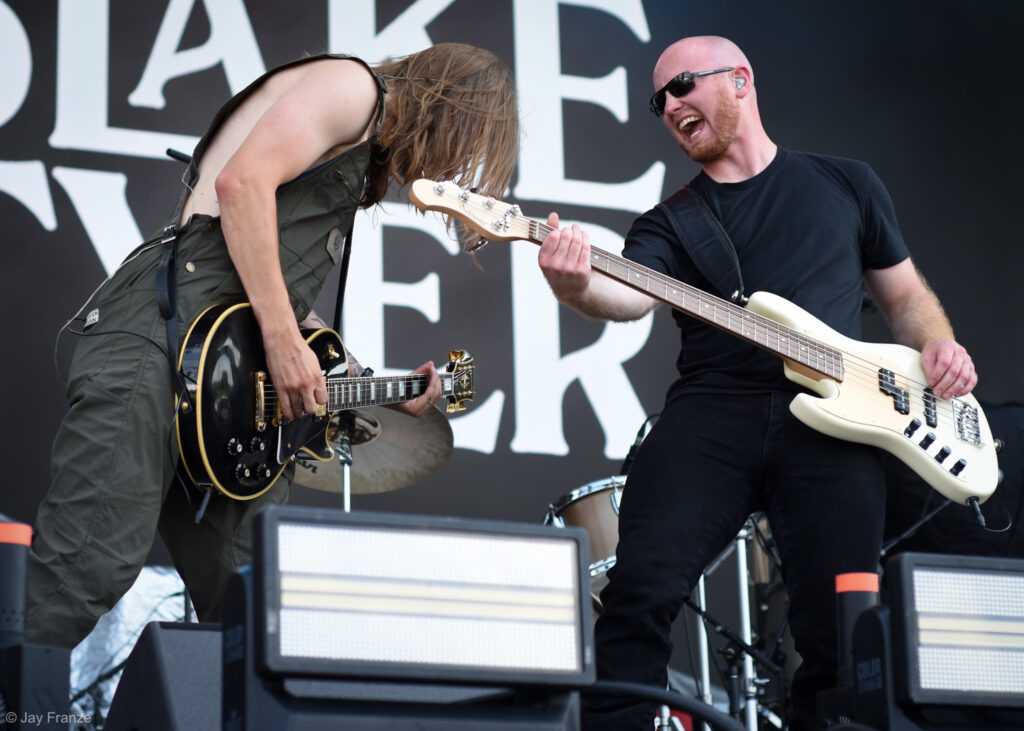
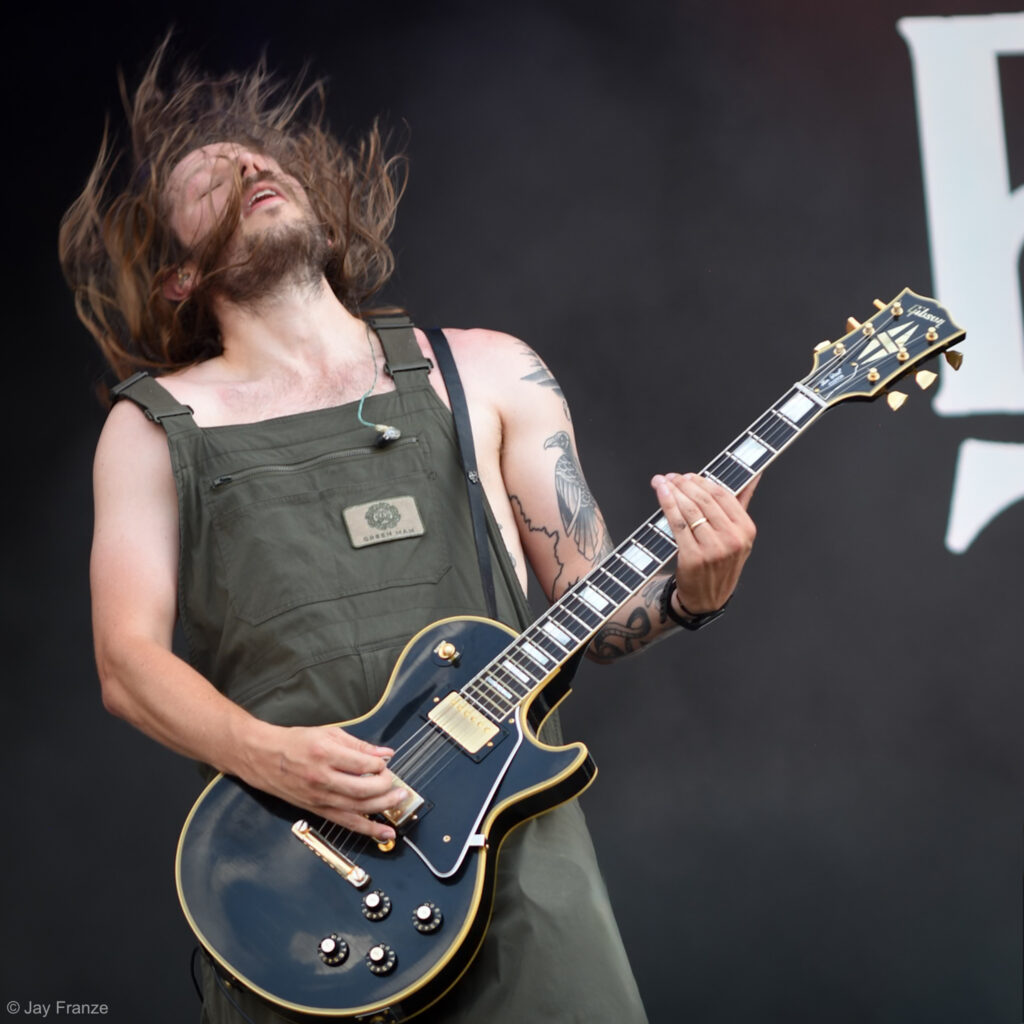
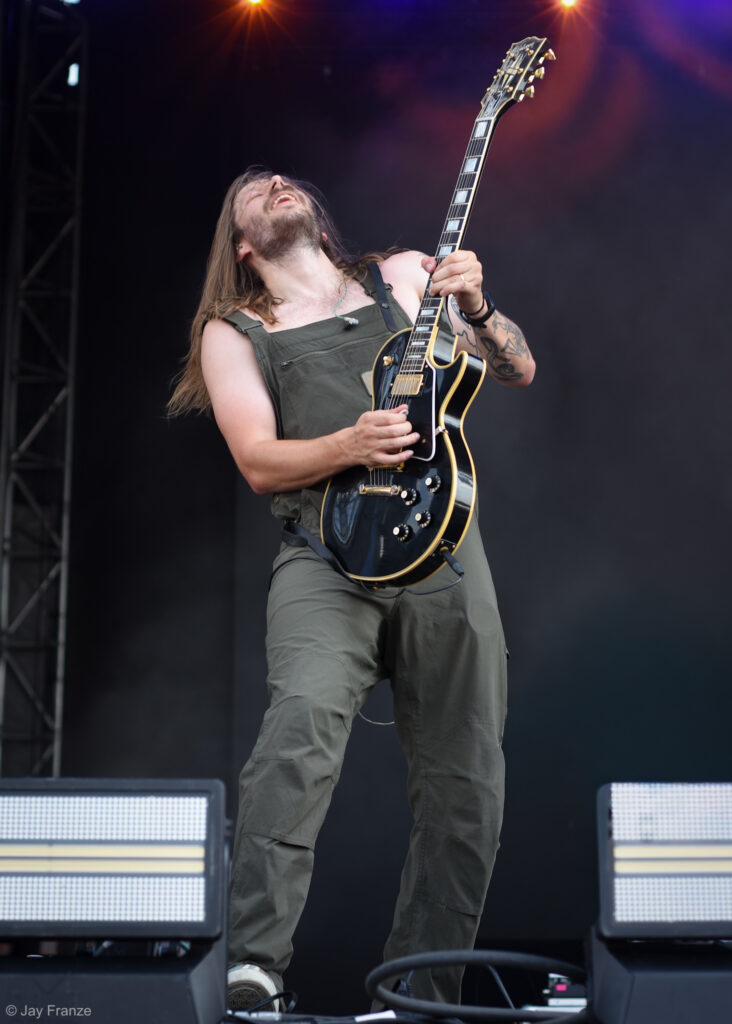
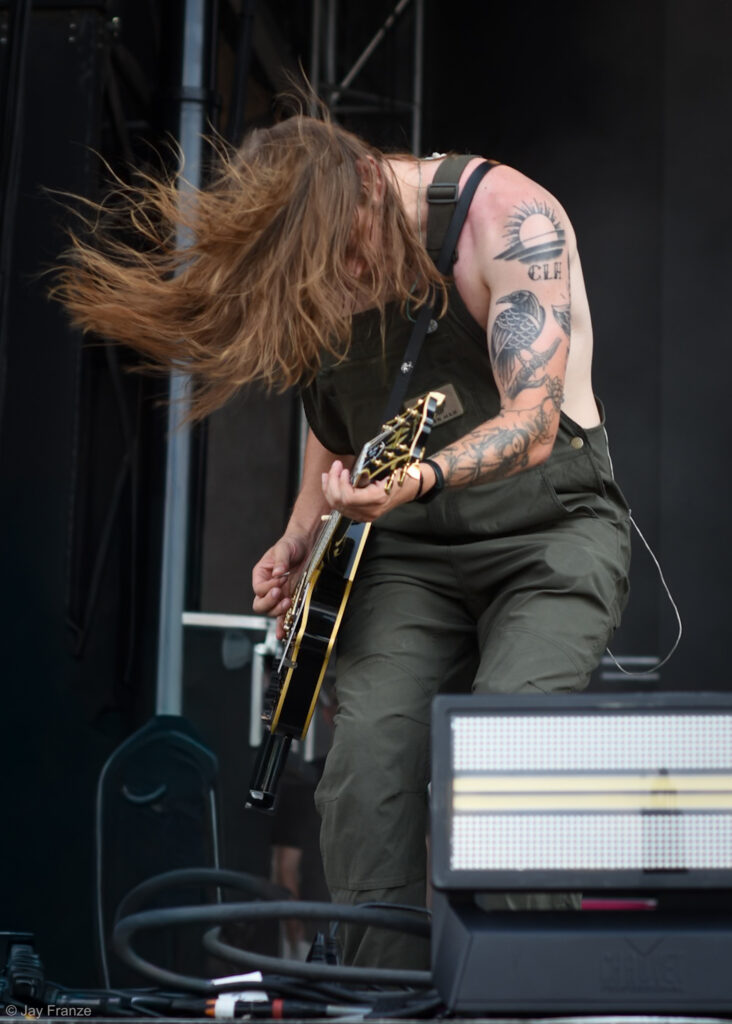
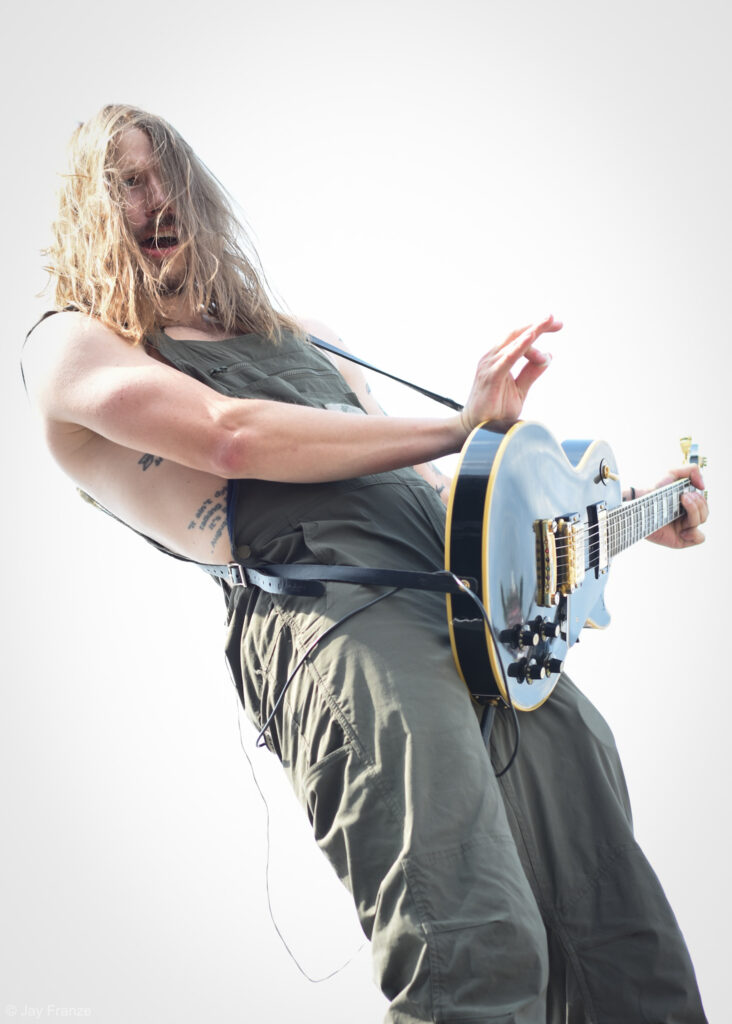
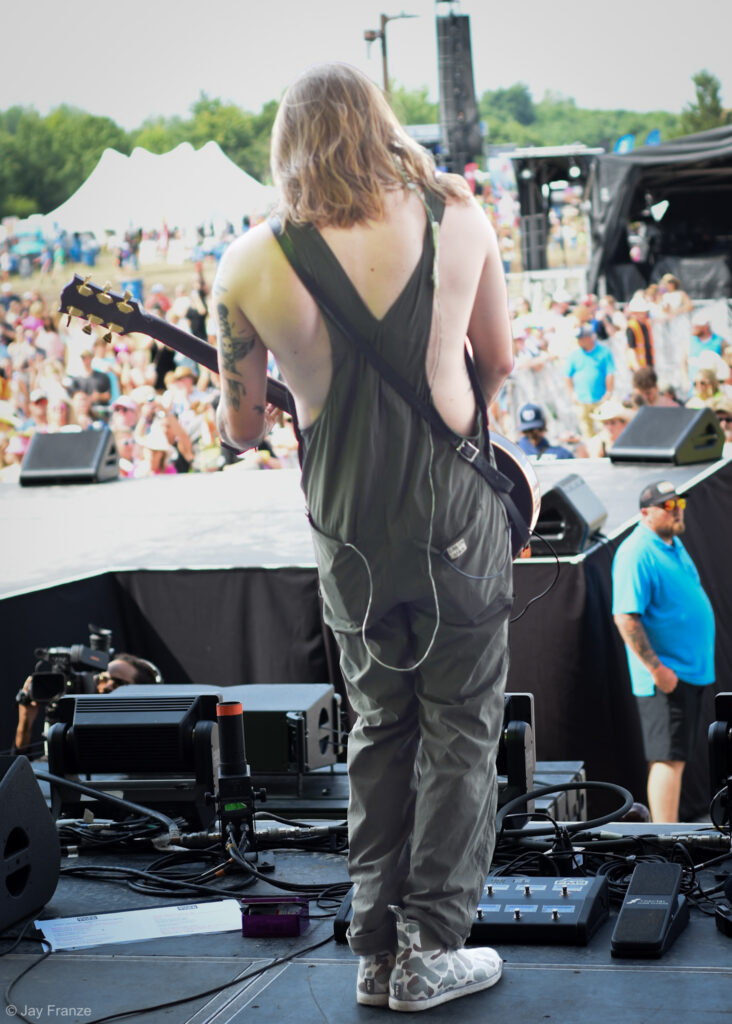
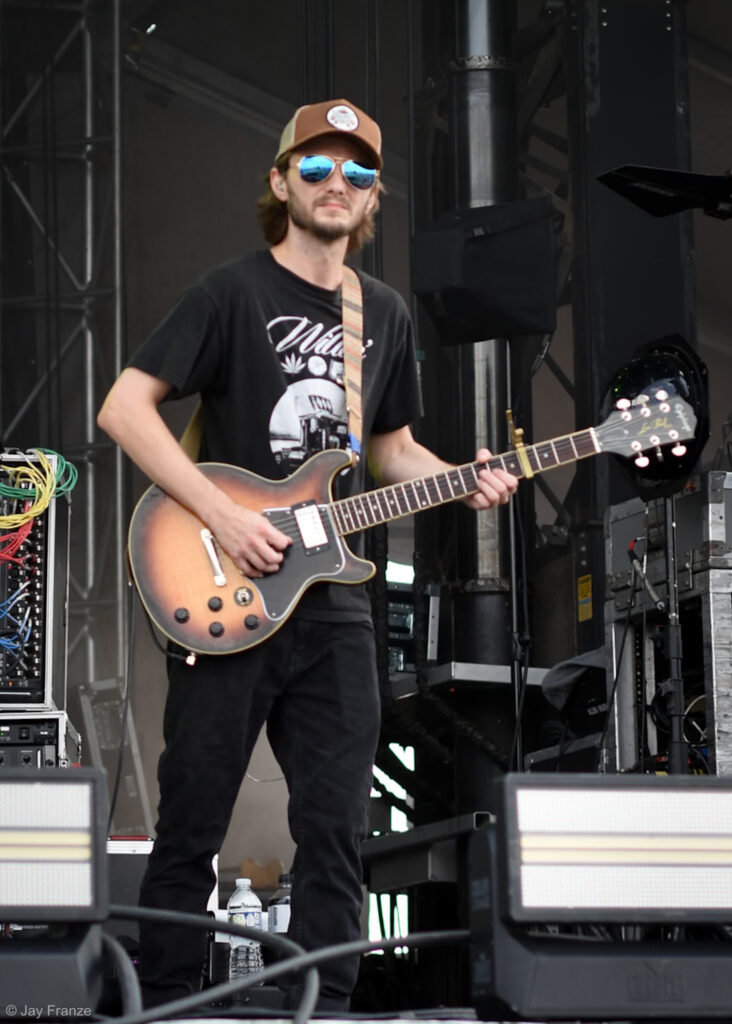
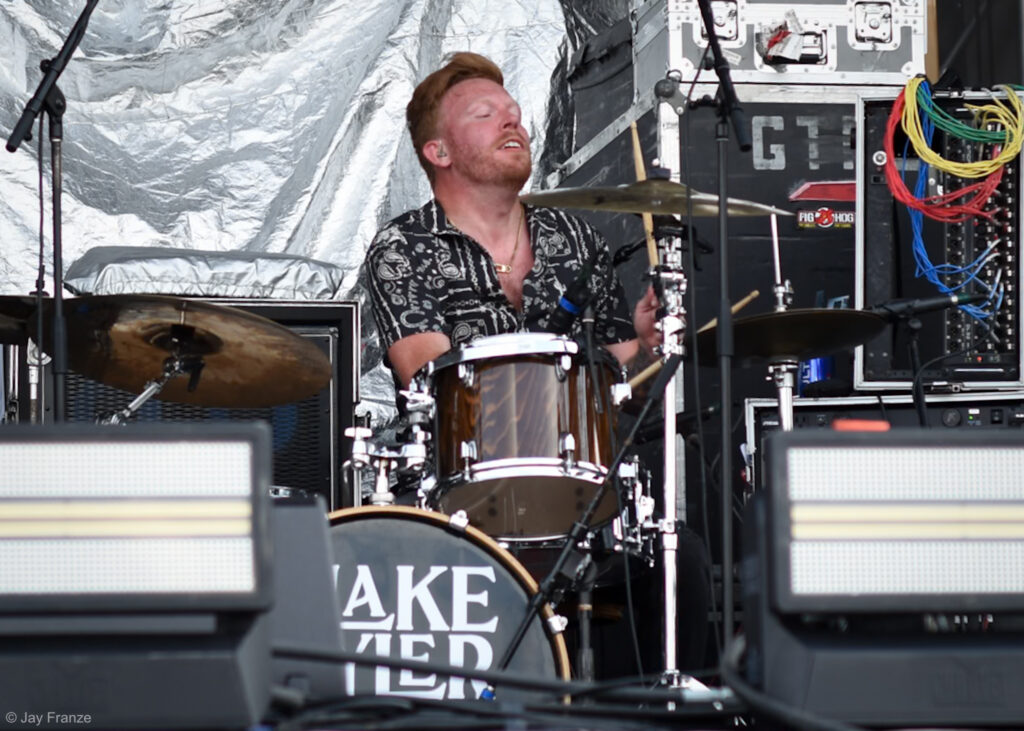
Emily Schulte handled lead vocal duties with confidence throughout the night, while Jake Bartone’s drumming anchored every song with precision and power. Guitarist Joseph Bartone layered soaring melodies over aggressive riffs, and bassist Josh Curran provided a thick, punchy low end that gave every song additional weight.
The set also included a pair of well-chosen covers that fit naturally alongside the band’s original material. Performances honoring Evanescence and Led Zeppelin gave the audience familiar moments to latch onto while still allowing Archers Gate’s own personality to shine through.
One of the evening’s more memorable moments came when the band acknowledged Josh Curran’s grandfather, who was attending the show. The audience responded with an enthusiastic greeting before Josh launched into an especially aggressive bass section that drew plenty of attention. It was a fun, genuine interaction that reminded everyone these musicians are still building their hometown following one fan, and one family member, at a time.
As the evening reached its conclusion, the mysterious butterfly narration from the opening finally came full circle.
The band closed with “Metamorphosis,” completing the narrative they had quietly introduced before ever stepping onto the stage. What initially seemed like an odd creative choice suddenly made perfect sense, giving the performance a satisfying sense of closure rather than simply ending with another song.
It’s a subtle detail, but one that elevated the overall presentation. The show became more than a collection of songs, it became a complete story.
Once the final notes faded and the crowd began dispersing, Emily headed straight to the merchandise table to meet fans while the rest of the band packed down equipment before eventually joining her. That willingness to spend time with the audience speaks volumes about where Archers Gate currently is in their journey. They’re not simply performing; they’re building relationships with every person who comes through the door.
As I packed my own gear, I thanked the band, said goodbye to the venue staff, who thoughtfully warned me about the approaching rain, and made the drive home.
For a band that’s been together for less than two years, Archers Gate already performs with confidence well beyond their age. Their songwriting combines melody with emotion, their live show is thoughtfully constructed, and their attention to storytelling separates them from many emerging rock acts.
If this performance is any indication, Midwest rock has another band worth keeping an eye on.
Links
Some guitar players spend their careers trying to be noticed.
Paul Sidoti has spent his making sure the audience notices someone else.
That may sound like an odd way to describe a musician who’s shared stages with Taylor Swift for nearly two decades, toured the world, played late-night television, worked with legendary artists, built a world-class recording studio, and can casually text members of KISS and Brian Adams.
But after spending an hour talking with Sidoti, one thing becomes abundantly clear:
He never chased celebrity.
He chased the craft.
And somewhere along the way, that made him one of the most respected guitar players in the business.
Spend five minutes talking guitars with Sidoti, and you’ll quickly realize he could disappear down the rabbit hole for hours.
Vintage amplifiers.
Recording consoles.
Tom Scholz’s Rockman.
Eddie Van Halen’s 5150.
Carl Tatz studio designs.
Dolby Atmos.
Neil Schon’s phrasing.
It’s all there.
But what stood out wasn’t the gear.
It was what he didn’t obsess over.
For Sidoti, guitar playing has never been about speed.
It’s never been about proving he’s the fastest player in the room.
In fact, he admitted he intentionally moved away from that mindset early in his career.
While many young guitarists were busy trying to out-shred each other, Sidoti was asking a different question:
“What’s best for the song?”
That philosophy explains almost everything about his career.
It’s why artists trust him.
It’s why producers keep calling.
And it’s probably why one of the biggest tours on the planet has relied on him for so long.
Driving Red is built around live music, so naturally our conversation drifted toward performing.
That’s where Sidoti really lit up.
He still plays Broadway in downtown Nashville.
Not because he needs the work.
Because he loves it.
That surprised me.
Here’s a guy who has performed stadium shows around the world, yet he still gets excited about walking onto a Broadway stage in front of a packed room.
His explanation was refreshingly simple.
Those crowds are there for one reason.
Live music.
They’re not watching televisions over the bar.
They’re not half-paying attention while eating dinner.
They’re there to experience a performance.
And that changes everything.
Sidoti described the joy of playing classic songs through state-of-the-art sound systems, with professional lighting, in-ear monitors, and a band that genuinely enjoys being on stage together.
For him, it’s more than another gig.
It’s an opportunity to create a memory for someone who may only visit Nashville once in their lifetime.
That’s a perspective you don’t hear nearly enough.
Too many musicians focus on what they’re getting from a show.
Sidoti focuses on what the audience is taking home.
One thing I appreciated throughout our conversation was that Sidoti never spoke like someone who had “arrived.”
Despite decades of success, he still talks like a student.
Playing Broadway wasn’t about staying busy.
It was about learning country music.
Growing up in Cleveland, he wasn’t immersed in George Strait, Merle Haggard, Alan Jackson, or Waylon Jennings.
Rather than pretending he knew it all, he immersed himself in it.
That’s humility.
And it’s probably one of the reasons his résumé reads the way it does.
Musicians who stop learning eventually stop growing.
Sidoti clearly has no interest in either.
One of my favorite moments came when we started talking about television appearances.
Most musicians remember the performance.
Sidoti remembers the water slides.
Before one Jerry Lewis MDA Telethon appearance, he spent the day at the Sahara’s water park in Las Vegas, stayed awake all night, then walked on stage for a live national television broadcast at three o’clock in the morning.
Only musicians can tell stories like that with a straight face.
He also reflected on appearing on The Tonight Show, explaining that growing up watching Johnny Carson made performing there feel surreal.
But even then, there was no ego attached.
Just appreciation.
That’s a recurring theme with Sidoti.
Whether he’s talking about KISS, Rick Springfield, Brian Adams, Debbie Gibson, or David Foster, the conversation never turns into name-dropping.
Instead, it becomes a lesson in gratitude.
Listening to Paul talk about his career, it became obvious that none of this happened by accident.
His parents took out loans so their son could own recording equipment.
They bought him guitars when his hands were barely big enough to hold one.
They never treated music like a hobby.
His father delivered perhaps the most powerful advice of the entire interview.
Having once walked away from his own dream of playing professional baseball, he told his son:
“I gave up my dream. I’ll never let you give up yours.”
You can almost draw a straight line from that conversation to the career Sidoti eventually built.
Support matters.
Teachers matter.
Mentors matter.
Parents matter.
He was quick to acknowledge all of them.
In an era where self-made success is often exaggerated, Sidoti seems remarkably comfortable admitting he didn’t get there alone.
Our conversation eventually wandered into his stunning Carl Tatz-designed recording studio.
Calling it a “home studio” feels about as accurate as calling a Ferrari a commuter car.
The facility features a professionally designed tracking room, vocal booth, lounge, amp closet, Dolby Atmos mix room, and enough acoustic engineering to make most studio owners jealous.
Yet even here, the conversation wasn’t about showing off expensive equipment.
Instead, Sidoti talked about sound.
About hearing details.
About creating better recordings.
About chasing excellence.
Again, the gear exists to serve the music.
Not the other way around.
There’s something refreshing about talking with someone who’s achieved nearly everything a working musician could hope for without ever sounding impressed by himself.
He still gets excited about liner notes.
Still geeks out over Journey concerts.
Still treasures old recording gear.
Still learns new songs.
Still plays Broadway.
Still smiles talking about making people happy for two hours.
Maybe that’s the real secret.
The industry loves to celebrate frontmen.
But careers like Paul Sidoti’s remind us that the musicians who quietly elevate everyone around them often leave the deepest mark.
By the end of our conversation, I wasn’t thinking about stadium tours.
Or celebrity friendships.
Or vintage amplifiers.
I kept coming back to one sentence that seemed to define everything Paul Sidoti stands for.
Never stop learning.
It’s advice that applies whether you’re a guitar player, songwriter, producer, photographer, journalist, or anyone chasing excellence in live music.
The audience may never know how many hours went into perfecting the craft.
But they’ll remember how you made them feel.
And judging by the millions of fans who’ve watched Paul Sidoti perform over the years, that’s a lesson he learned long before he ever stepped onto the world’s biggest stages.