
After a very busy, and somewhat stressful, day in the studio, I was more than ready to trade the control room for a concert.
So I packed up my camera gear, hopped in the car, and headed toward Lori’s Roadhouse in West Chester, Ohio, to shoot David Adam Byrnes.
There was no looking back.
By this point, Lori’s Roadhouse has become a familiar stop for me. I’ve covered several shows there, and every trip seems to bring a slightly different experience. With its massive room, country atmosphere, dance floor, and stage capable of handling everything from up-and-coming artists to established touring acts, Lori’s has developed an identity all its own.
This time, I was joined by my good friend Matthew Fritsch, lead singer of Life After This.
It was Matthew’s first visit to Lori’s, so while I knew what to expect, he was taking everything in for the first time. After a quick verification of our credentials, we found a couple of seats at the bar. I started setting up my camera gear while making my way through a plate of nachos, and Matt and I did what musicians inevitably do when they get together, we talked shop.
Music. Bands. Gear. Venues. Sound.
Matthew was particularly interested in hearing the room and seeing what Lori’s sound system could do once the show started.
But before David Adam Byrnes could take the stage, there was another Lori’s tradition to get through: dance lessons.
Tuesday and Thursday nights at Lori’s regularly feature dance lessons, and they’ve become a big part of the venue’s personality. The floor was already full of people moving together before Byrnes played a note.
That created an interesting challenge.
A crowd showing up specifically to dance is already engaged, but not necessarily with the artist who is about to take the stage. Once the lessons ended, Byrnes would have to give them a reason to stay on that floor.
Then the lights dimmed.
The walk-out music started.
That was my cue.
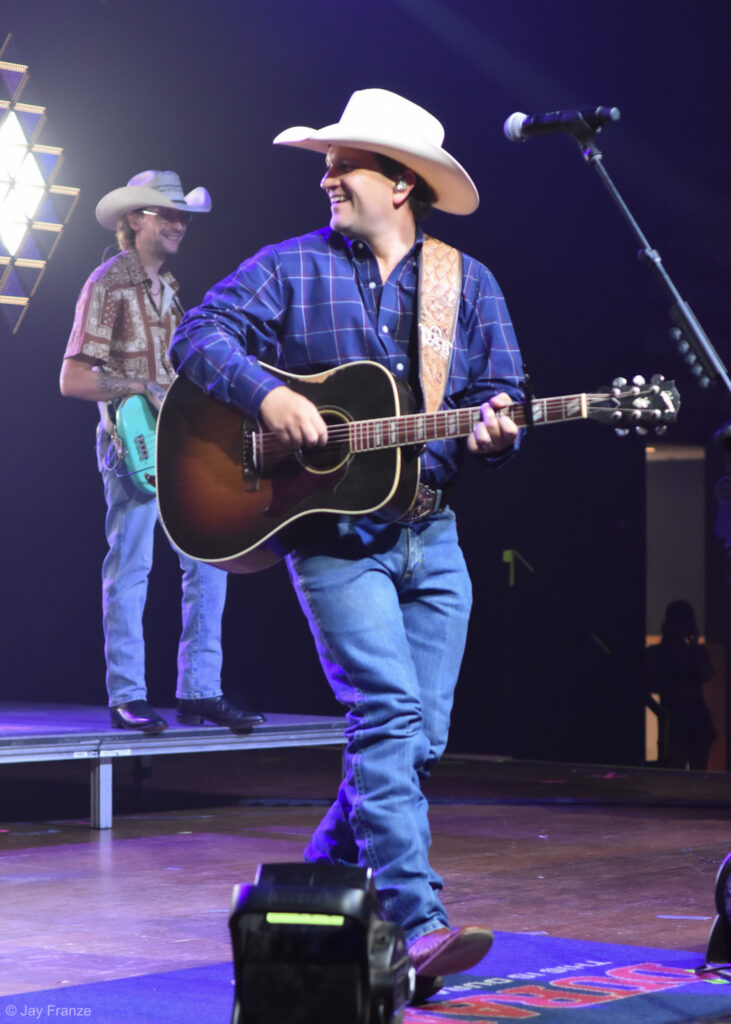
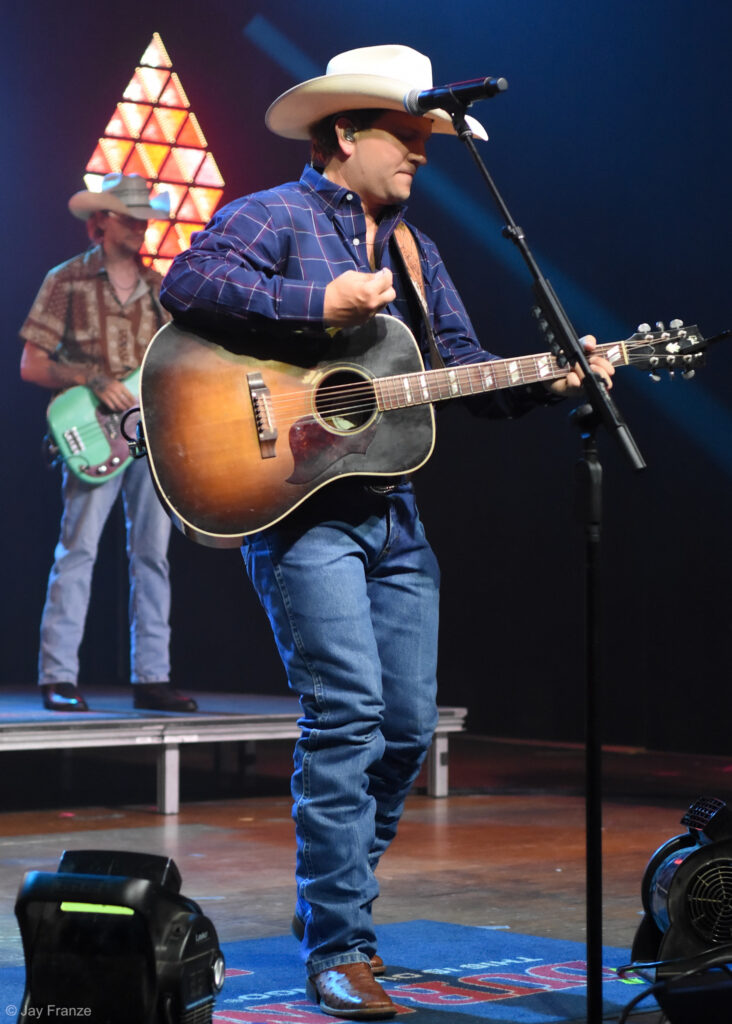
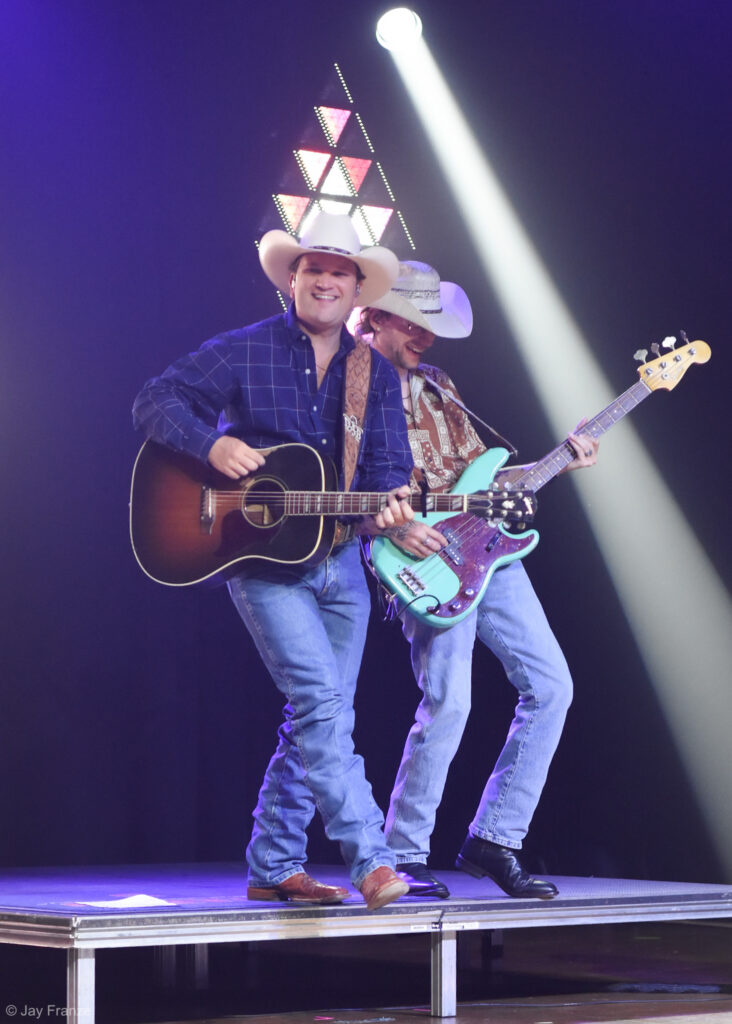
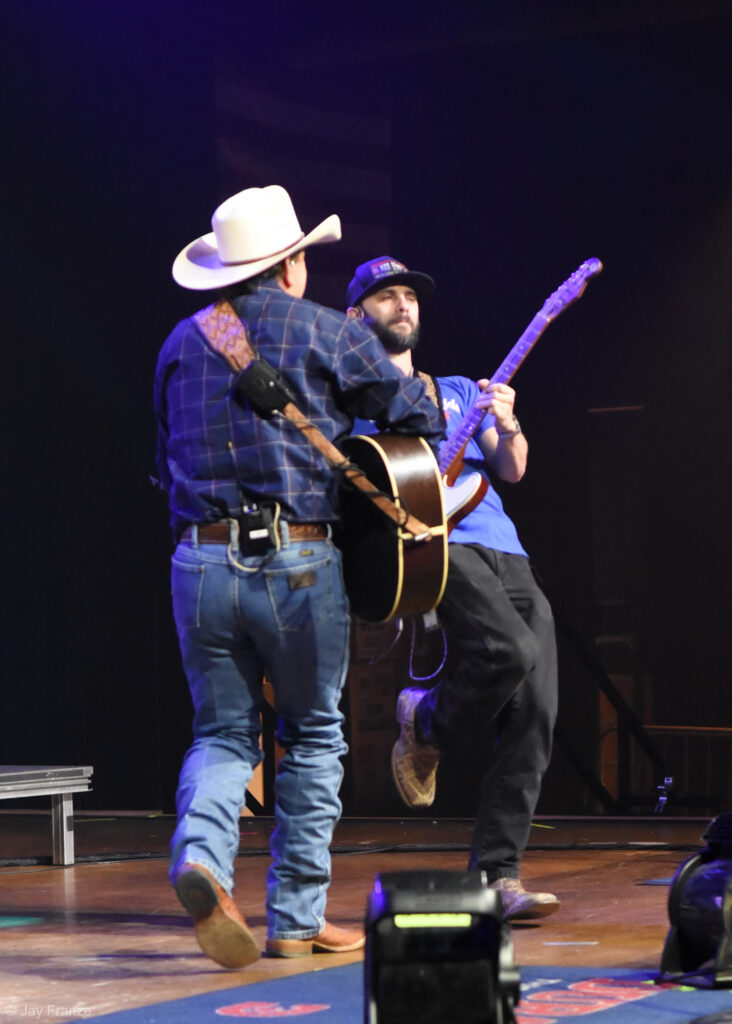
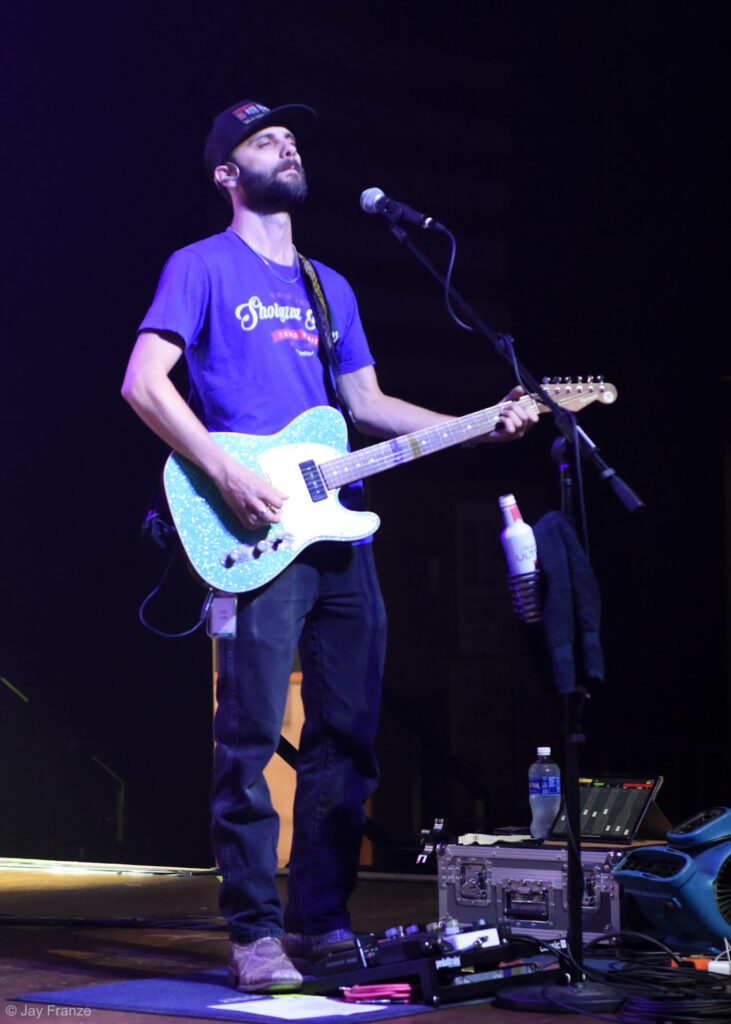
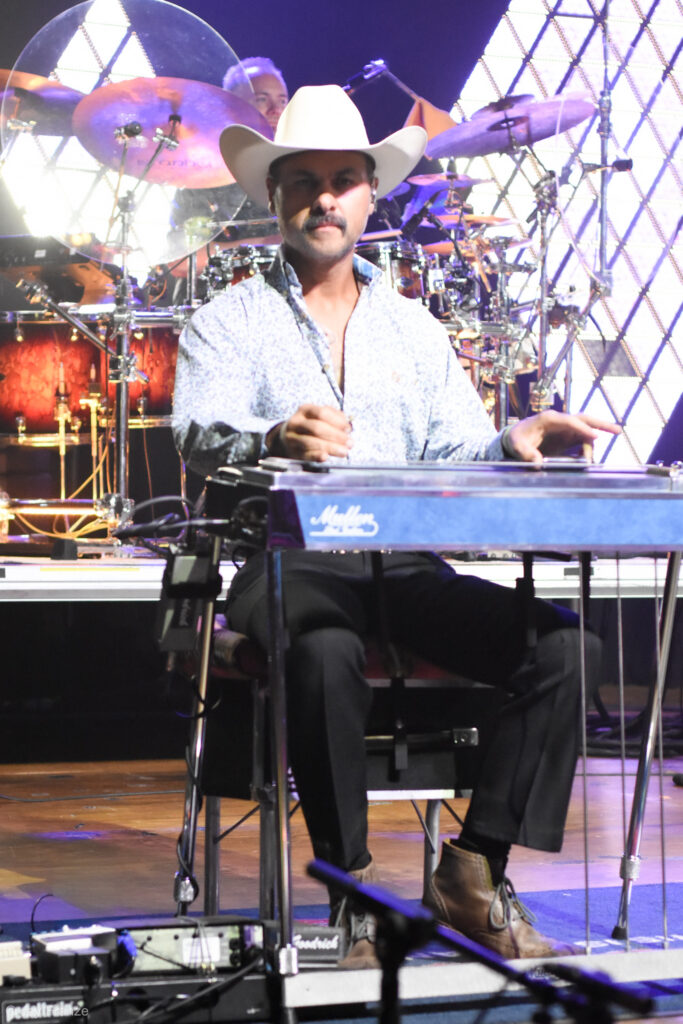
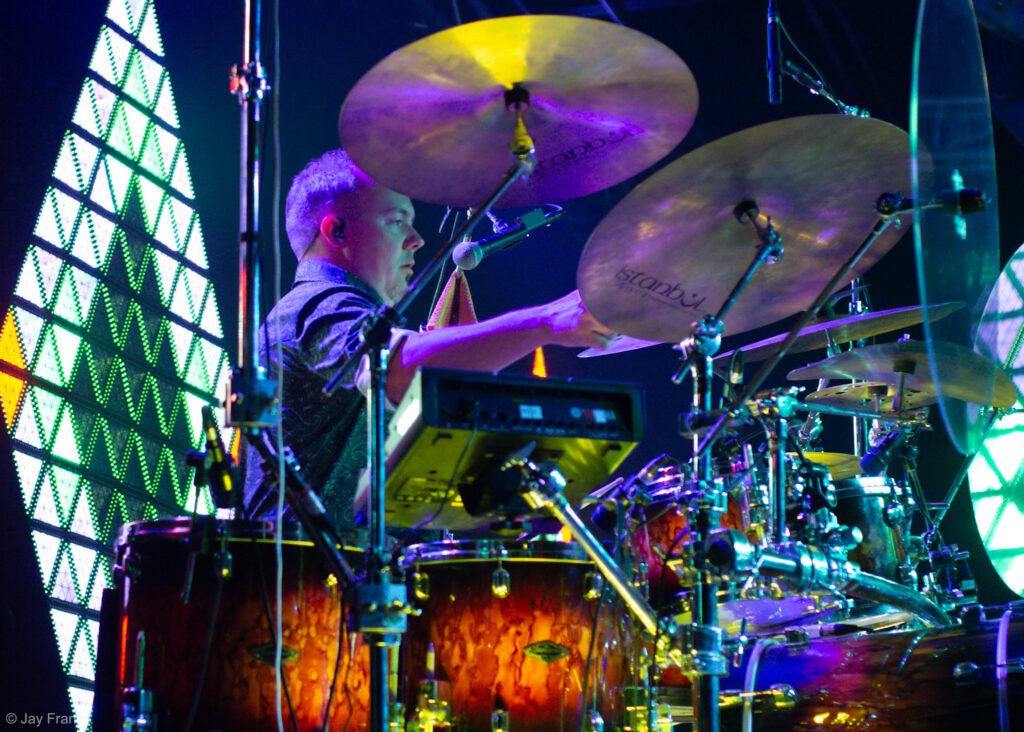
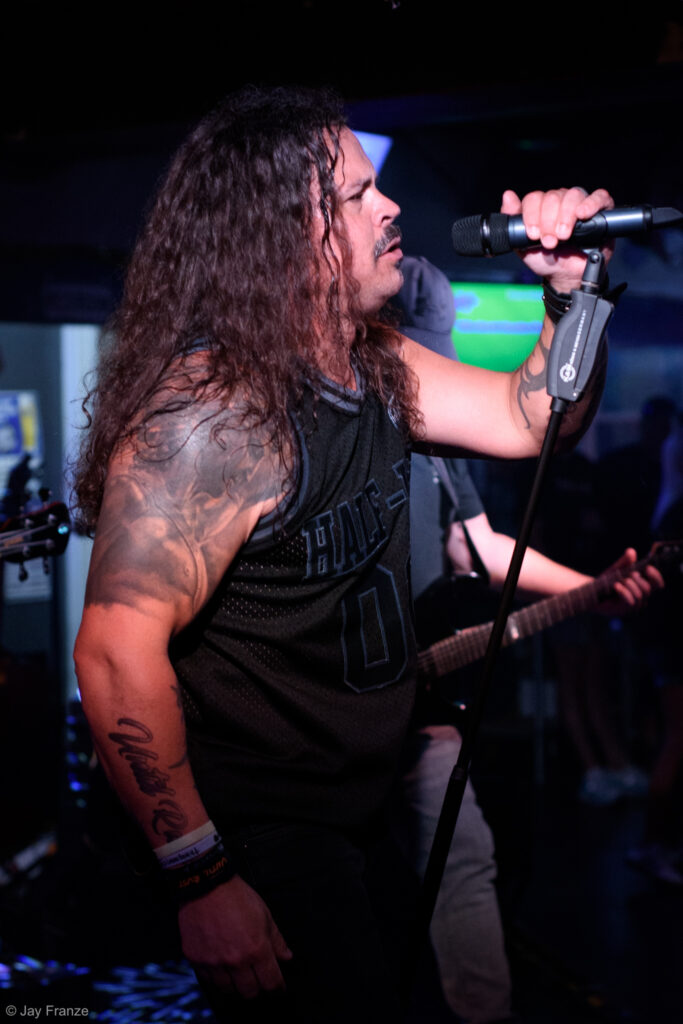
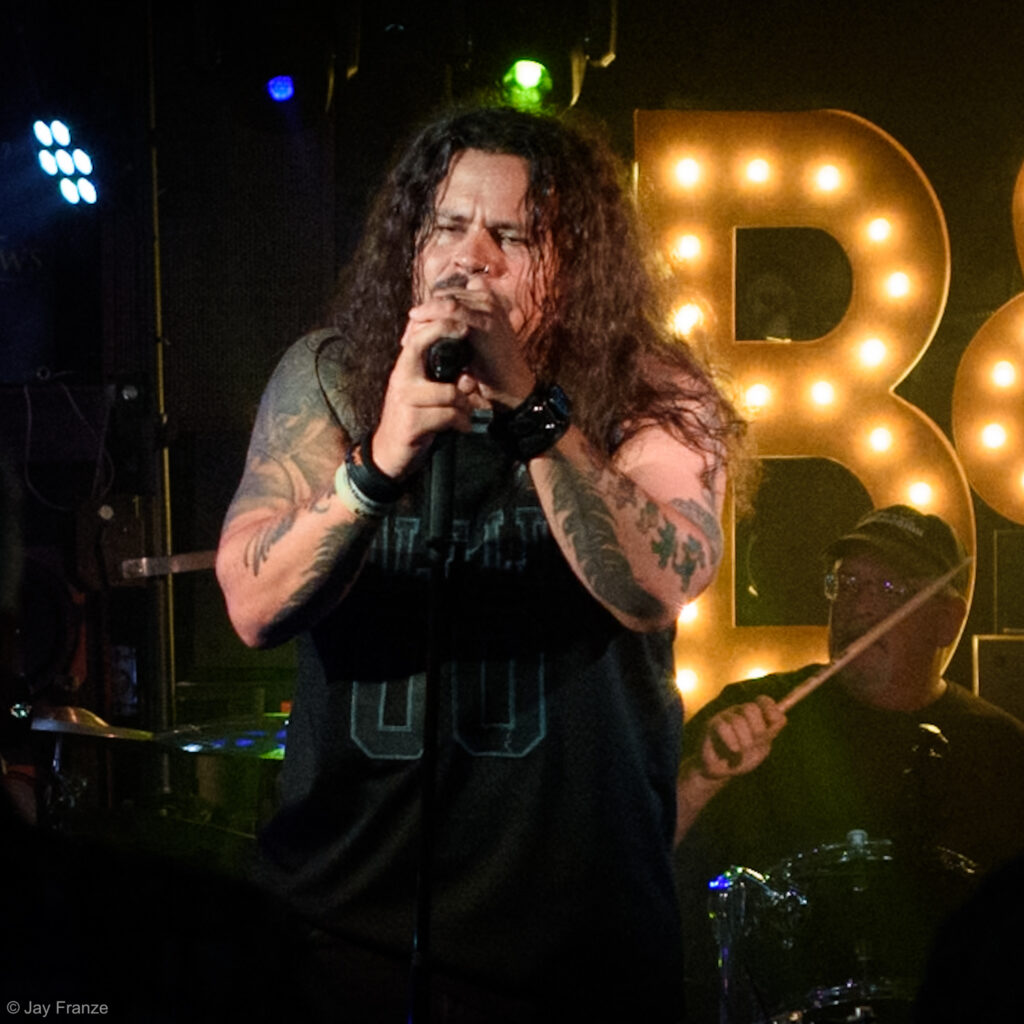
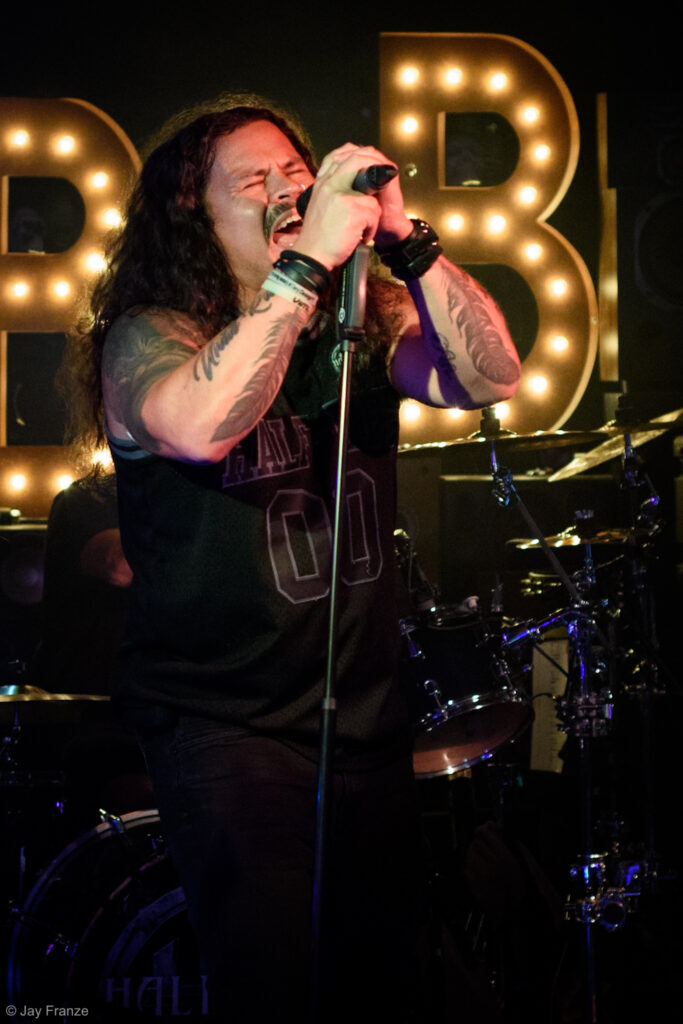
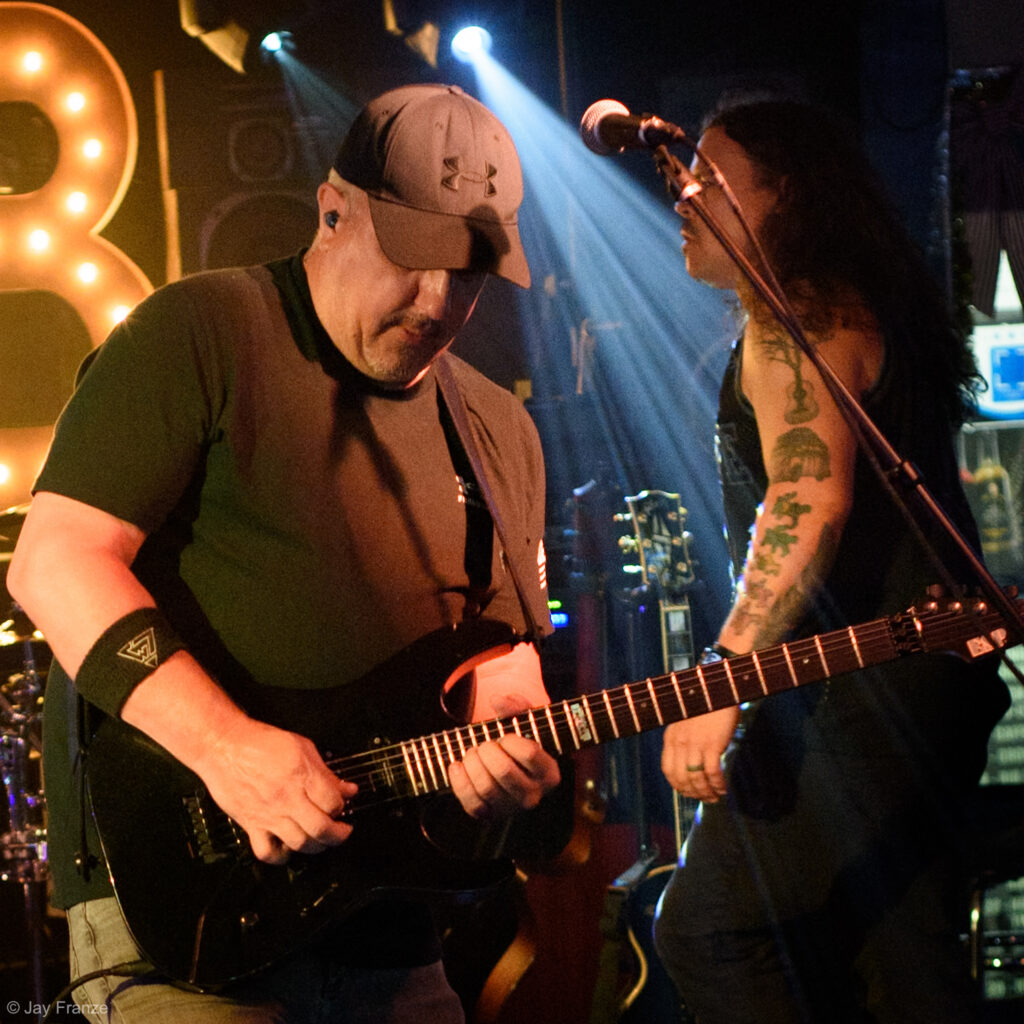
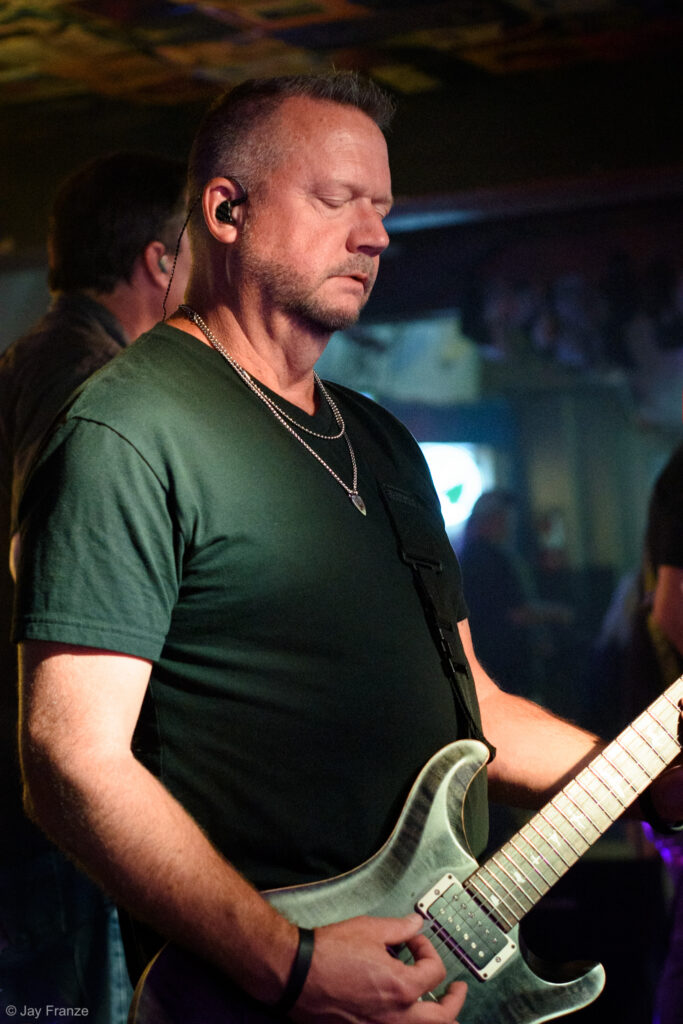
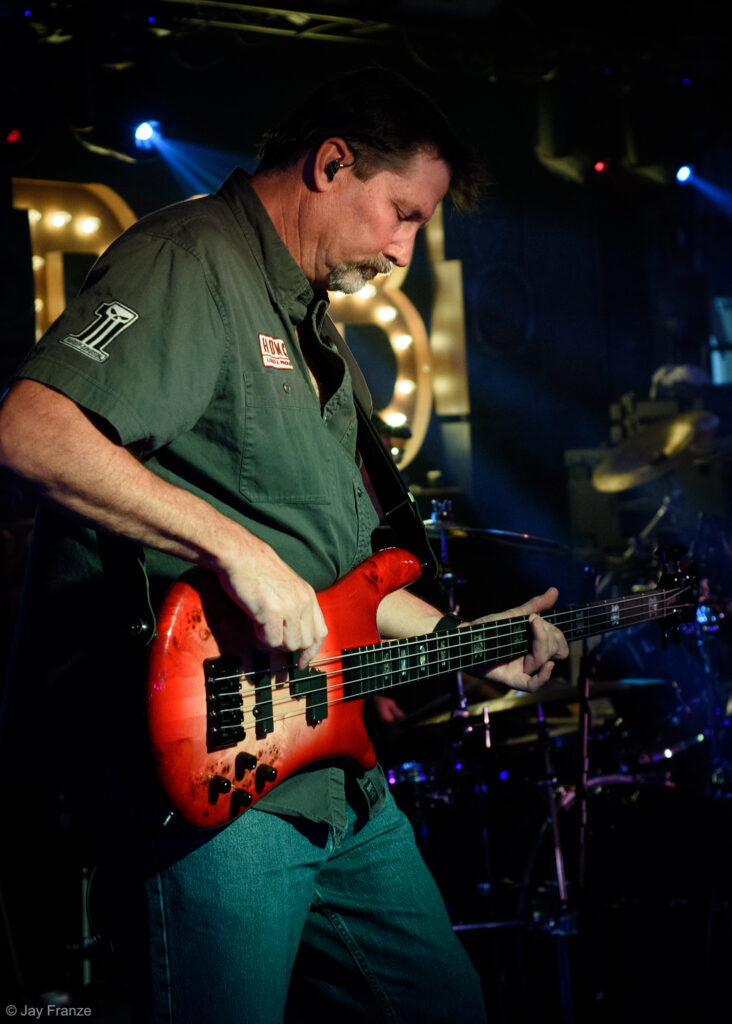
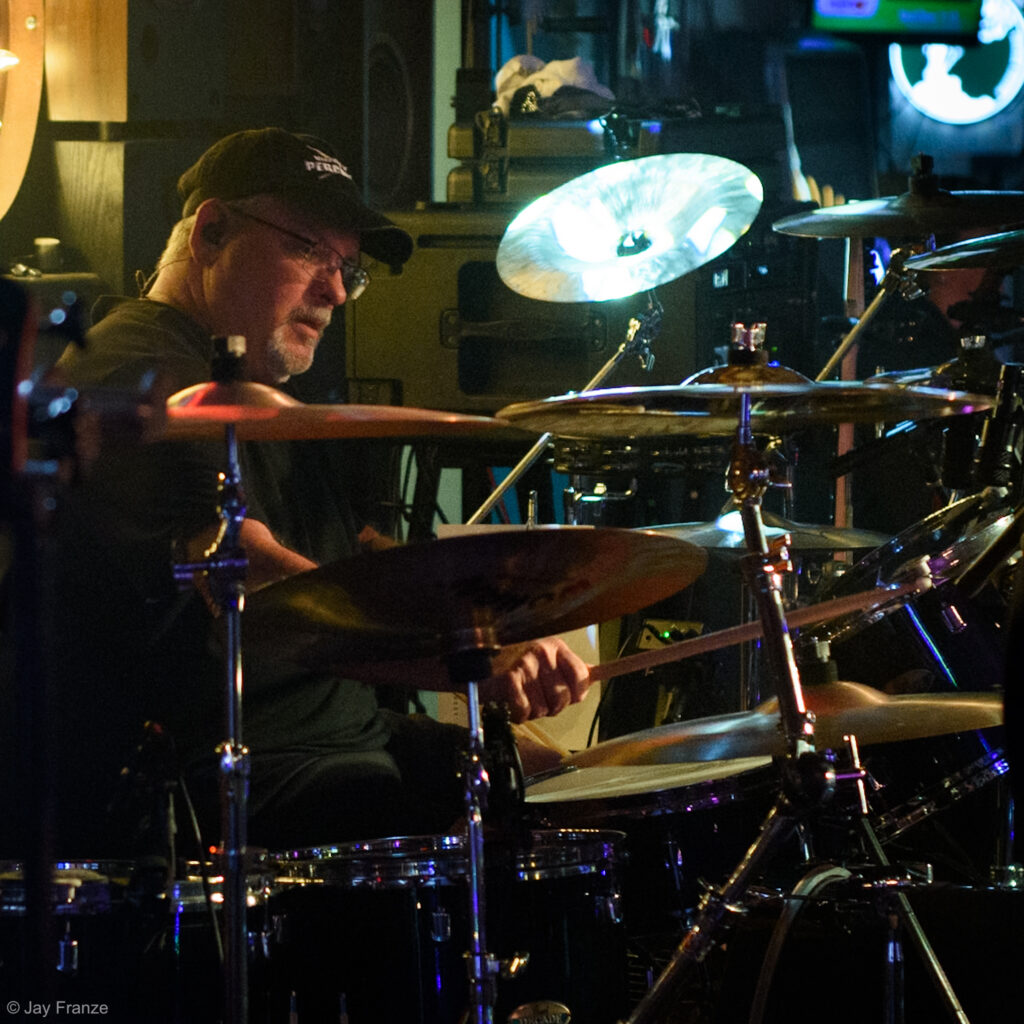
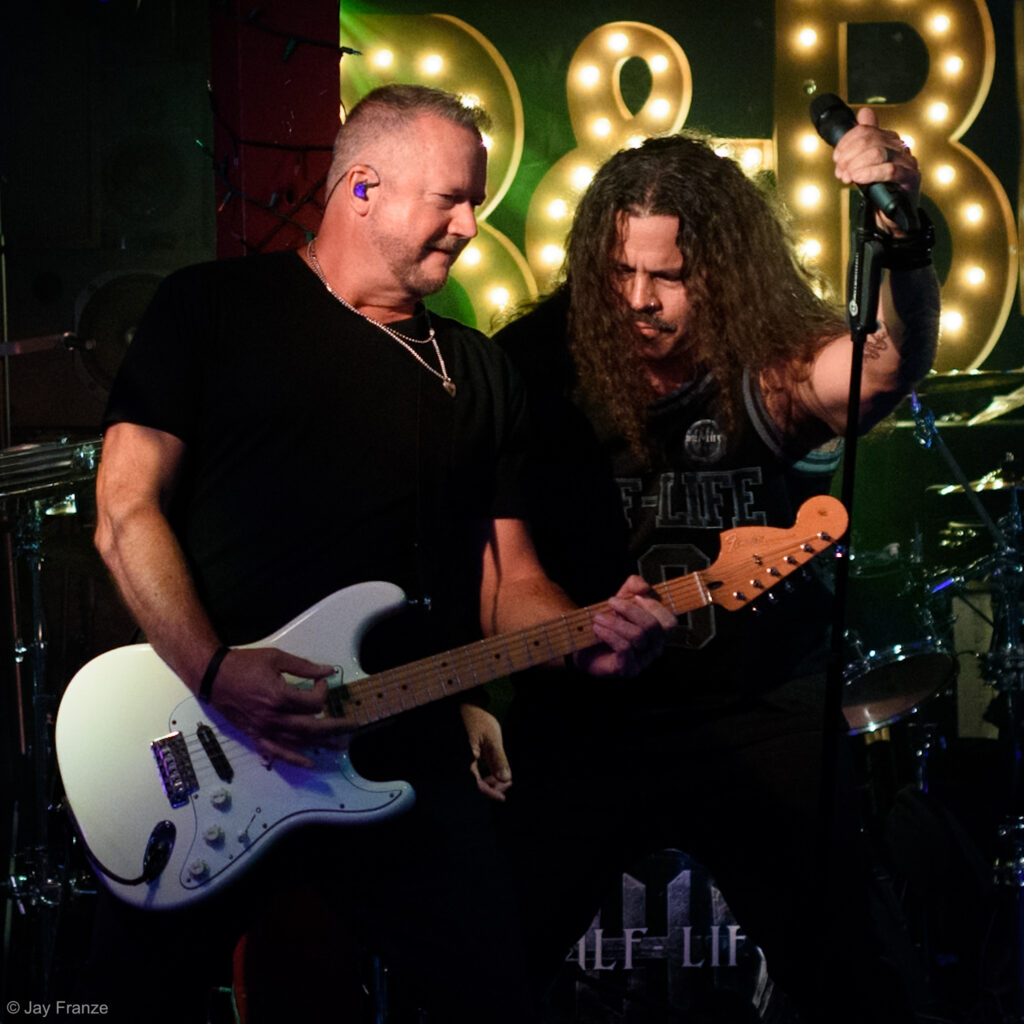
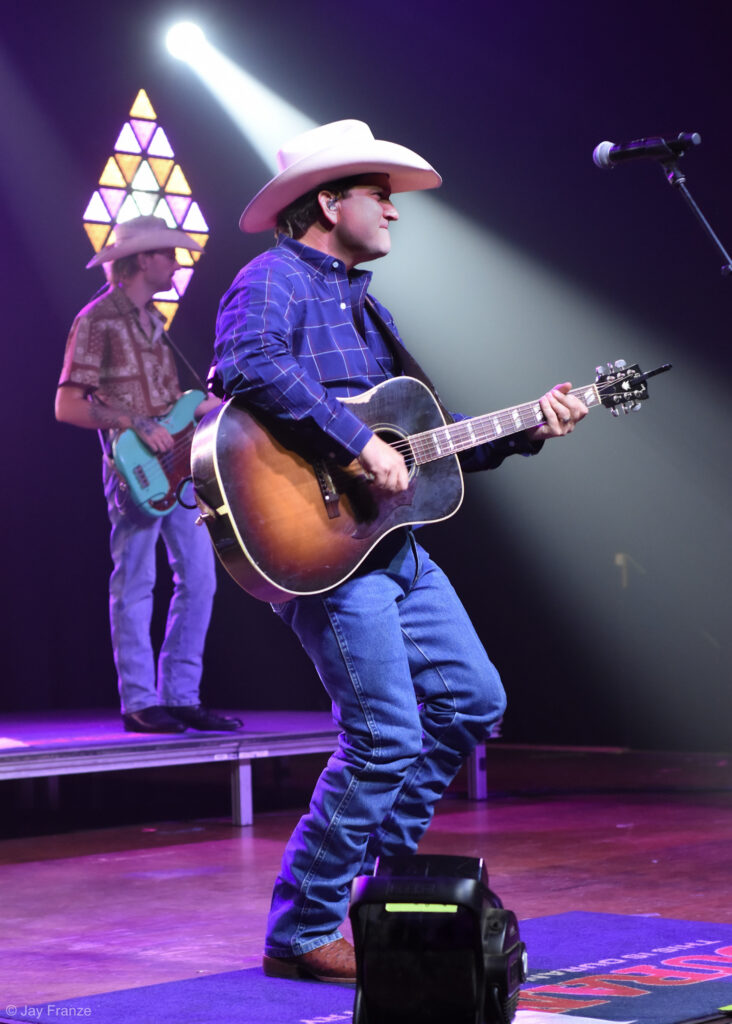
I grabbed my camera and moved into position as David Adam Byrnes and his band hit the stage.
And the dance floor never stopped.
That may have been one of the best compliments the audience could have given him.
Rather than asking the room to abandon the energy it already had, Byrnes stepped into it. His personality, music, and stage presence worked naturally with the atmosphere at Lori’s. The people who had been dancing before the show simply kept dancing once he started playing.
There was no awkward transition between dance lessons and concert.
It simply became a David Adam Byrnes show.
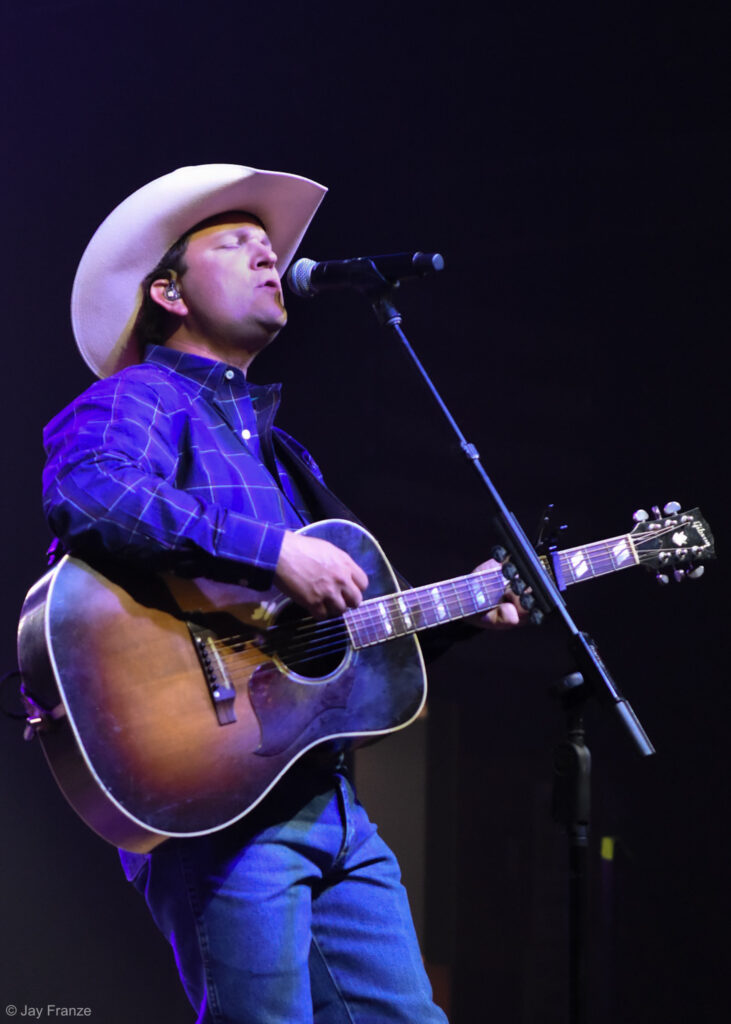
That connection fits Byrnes particularly well. His music blends the energy of contemporary country with the storytelling sensibilities that have always been at the heart of the genre. There’s an authenticity to what he does that doesn’t feel manufactured or overly polished for the sake of chasing whatever happens to be trending.
Instead, his songs feel lived in.
They deal with the things country music has always handled best, love, life, perseverance, relationships, and trying to remain grounded while everything around you keeps moving.
Live, that translates into a performer who seems comfortable letting the songs and his personality do the work.
And on this particular Thursday night, it worked.
As I moved around the room shooting, I eventually found myself stage right near the merch table. It was being managed by a friendly woman who, as it turned out, seemed to know all of the band’s dirt.
Naturally, I had questions.
To her credit, she put up with me and answered plenty of them.
Unfortunately, whoever decided to place the merch table directly beside the amps clearly wasn’t concerned with communication. Trying to carry on a conversation there was somewhere between difficult and impossible, so our conversations tended to come in short bursts between songs and blasts from the stage.
Still, those little interactions are part of what makes covering live music fun. The concert itself is obviously the centerpiece, but there are always stories happening around the edges, the conversations at the bar, the people behind the merch table, the crew, the fans, and the musicians hanging around before and after the show.
Those moments are often what turn another night of live music into something memorable.
Byrnes and his band kept the room moving throughout the night, and it wasn’t some oversized production trick or carefully choreographed moment.
It was connection.
He walked into a room that already had its own energy and found a way to become part of it rather than compete against it.
That’s harder than it looks.
Eventually, the cameras were packed away, another night at Lori’s was in the books, and Matthew and I headed home.
But the show apparently wasn’t quite finished with him.
During the ride, Matthew brought up Byrnes’ music a couple of different times. By the end of the night, he had already decided he was going to spend some time listening to more of it the next day.
For an independent artist trying to build genuine fans one show at a time, I’m not sure there’s a much better review than that.
Someone walked into Lori’s Roadhouse unfamiliar with David Adam Byrnes.
He walked out wanting to hear more.
And sometimes, that’s exactly what a great live show is supposed to do.
Every show has a story. This one just happened to keep the dance floor moving.
Links