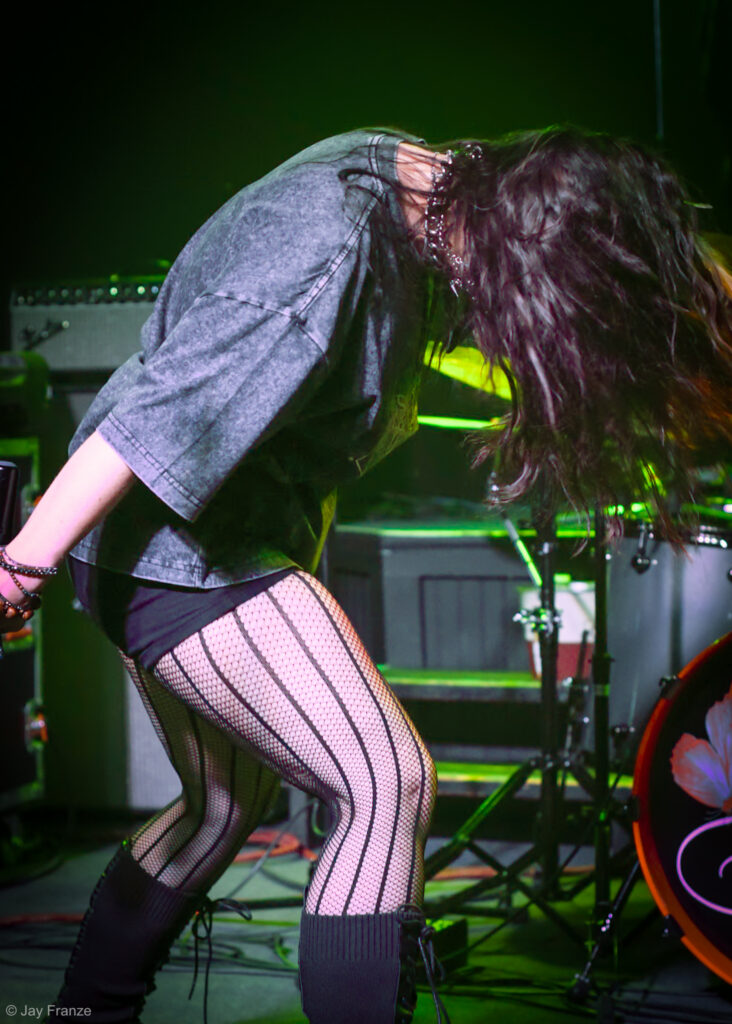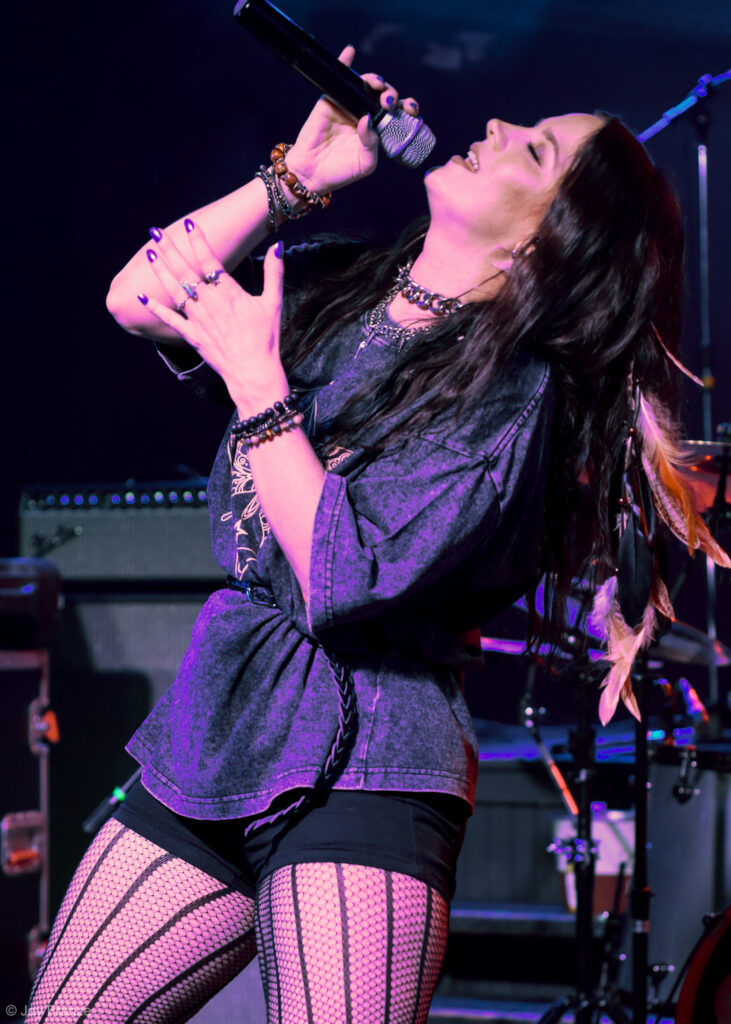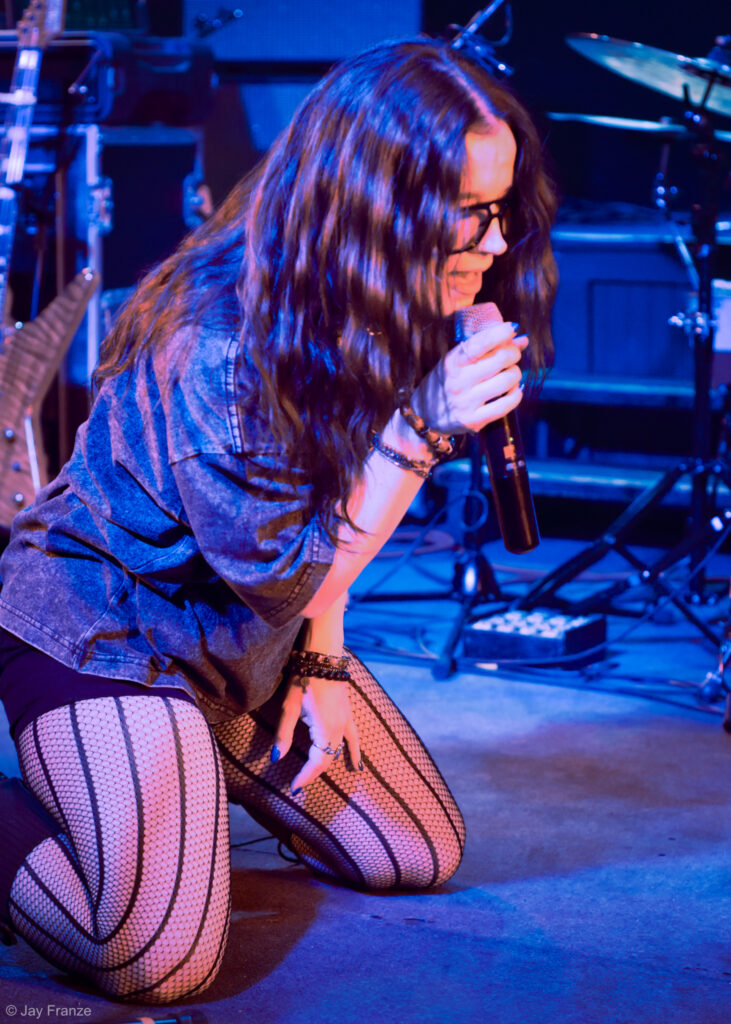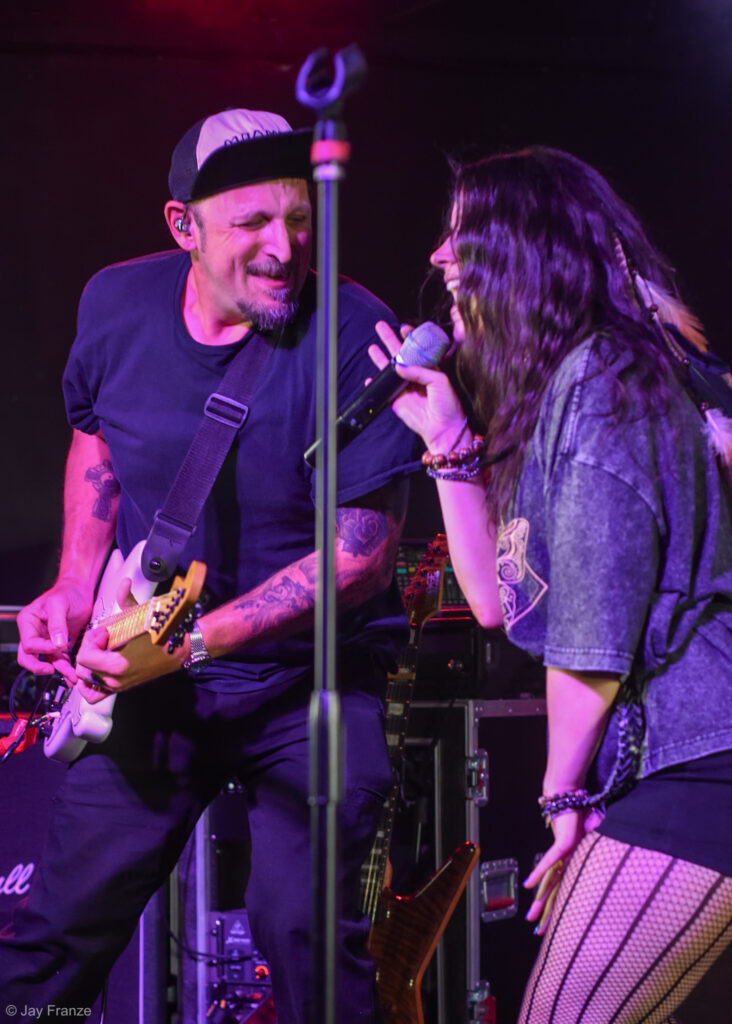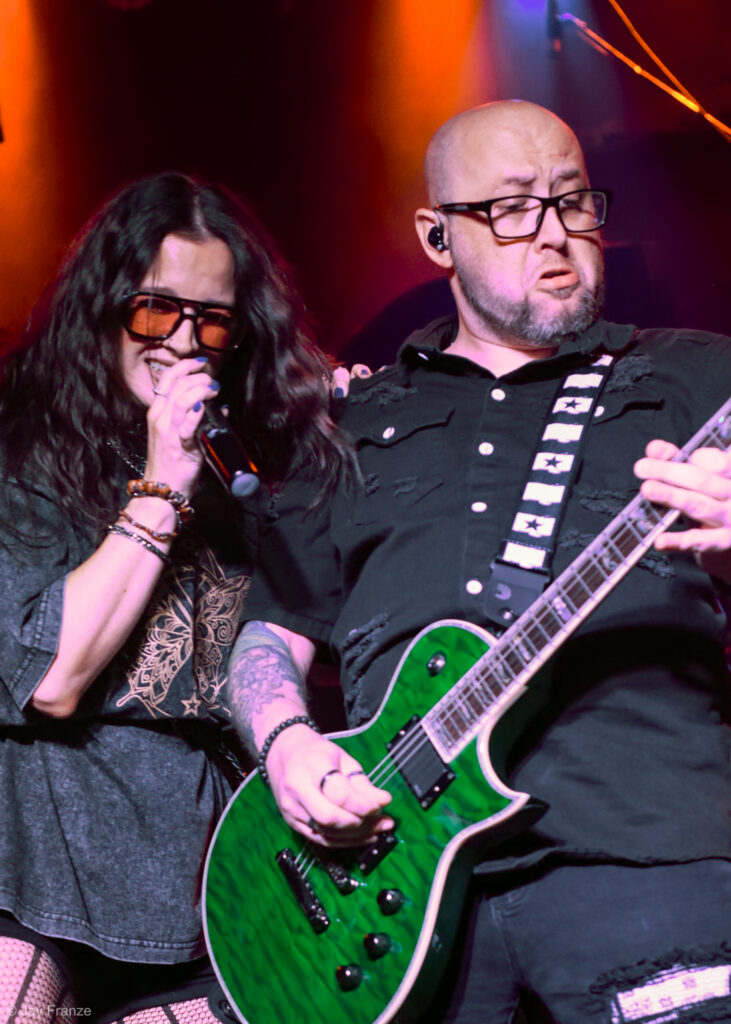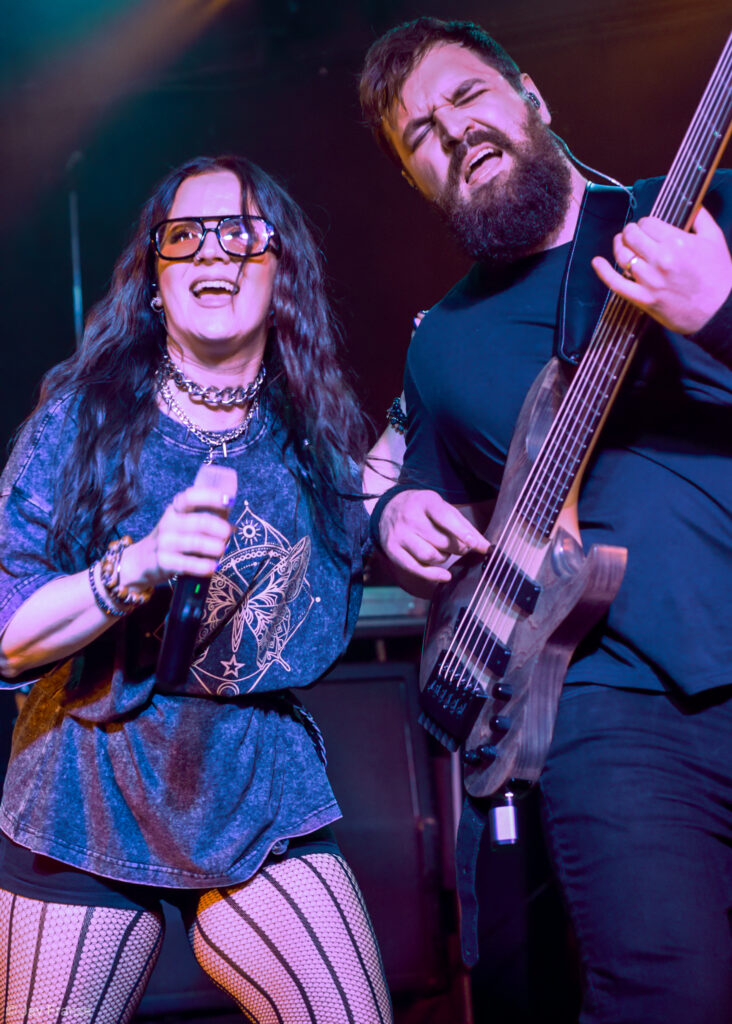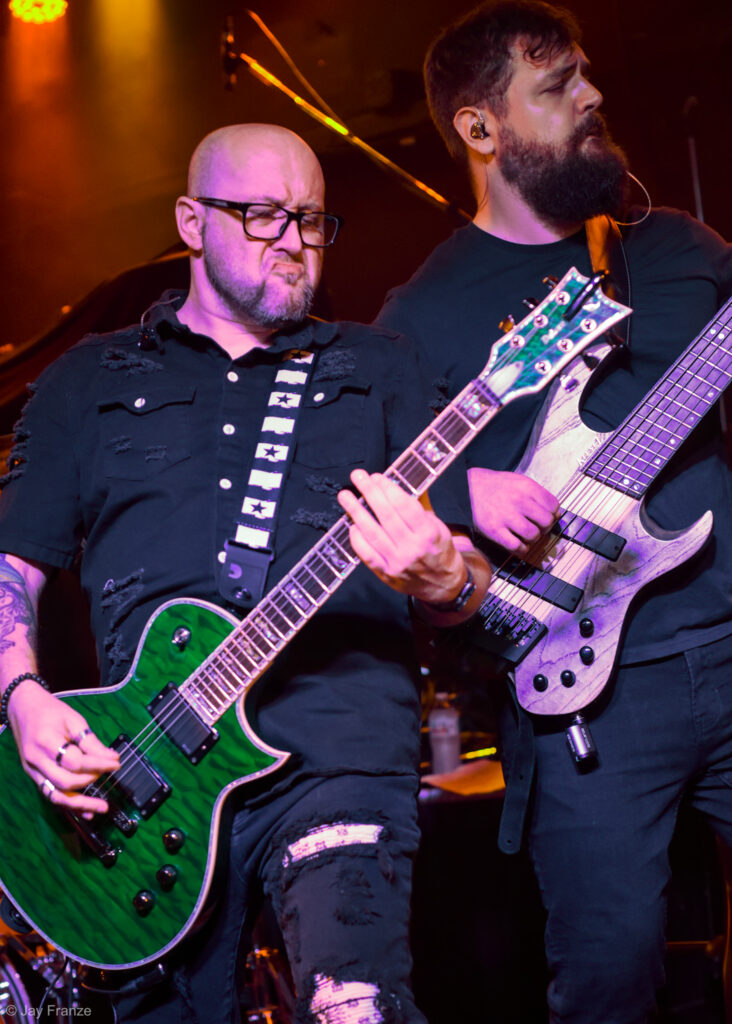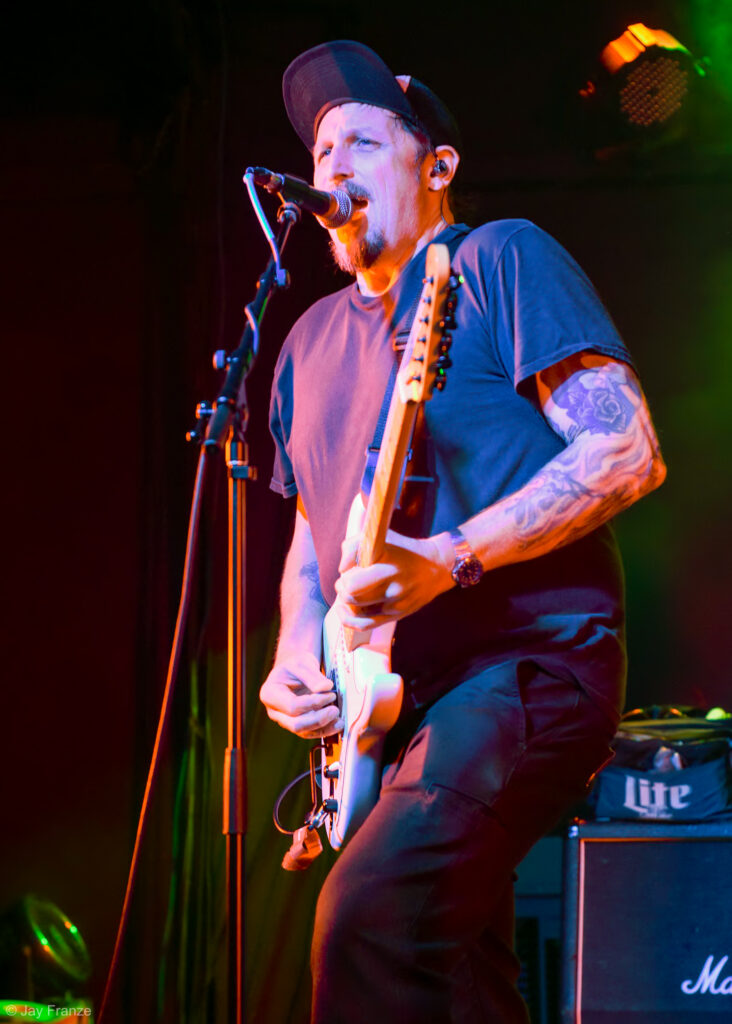
More Than The Music: How Life After This Built A Community Before They Built A Following

Some bands write songs.

Others build movements.

The difference isn’t always found in the music.

Sometimes it’s found on a school bus full of fans headed to a concert.

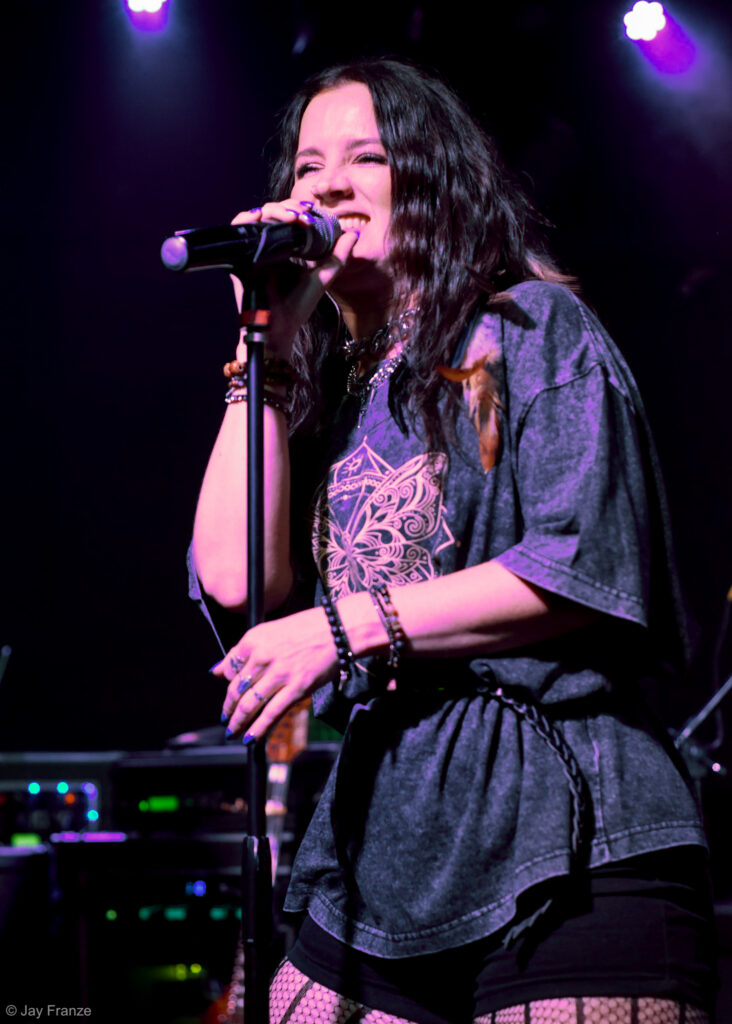
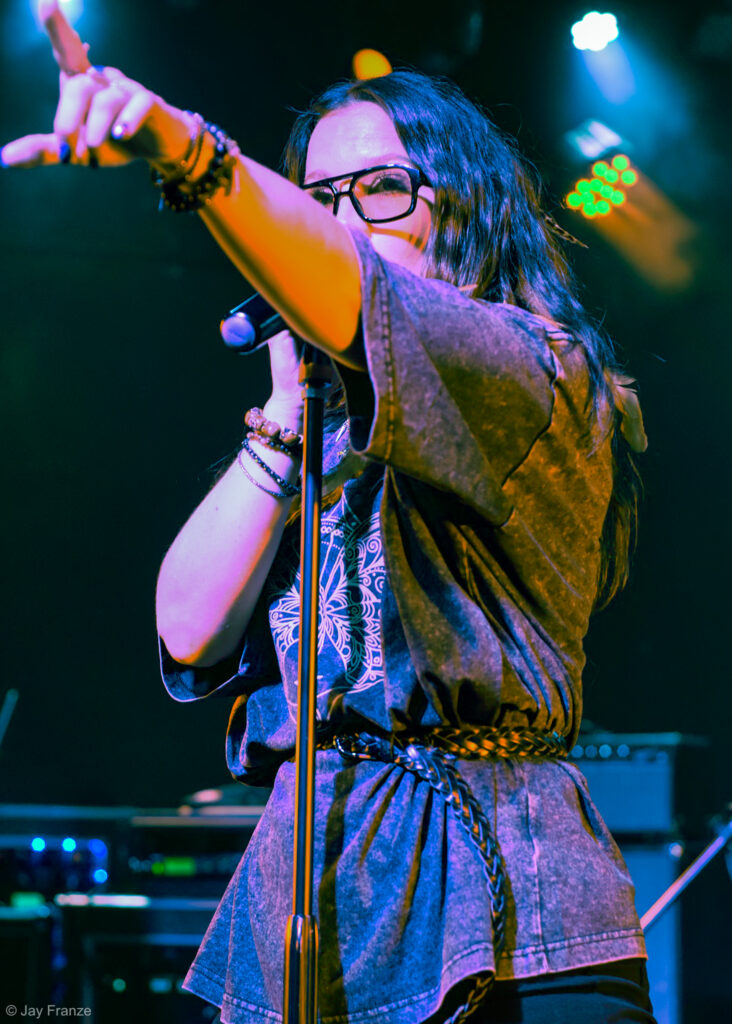
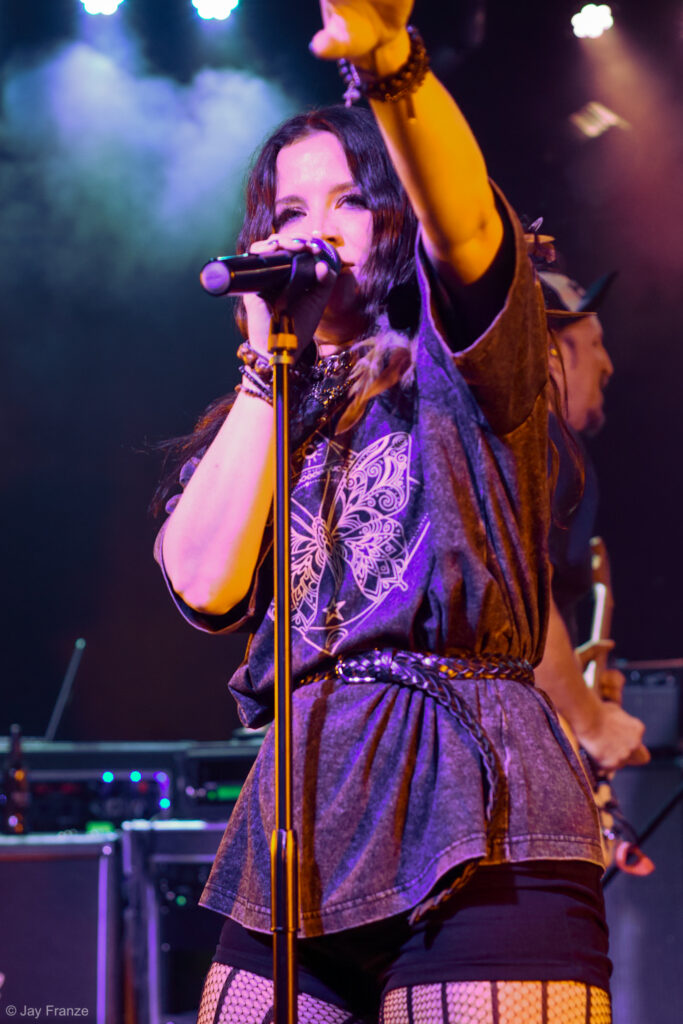
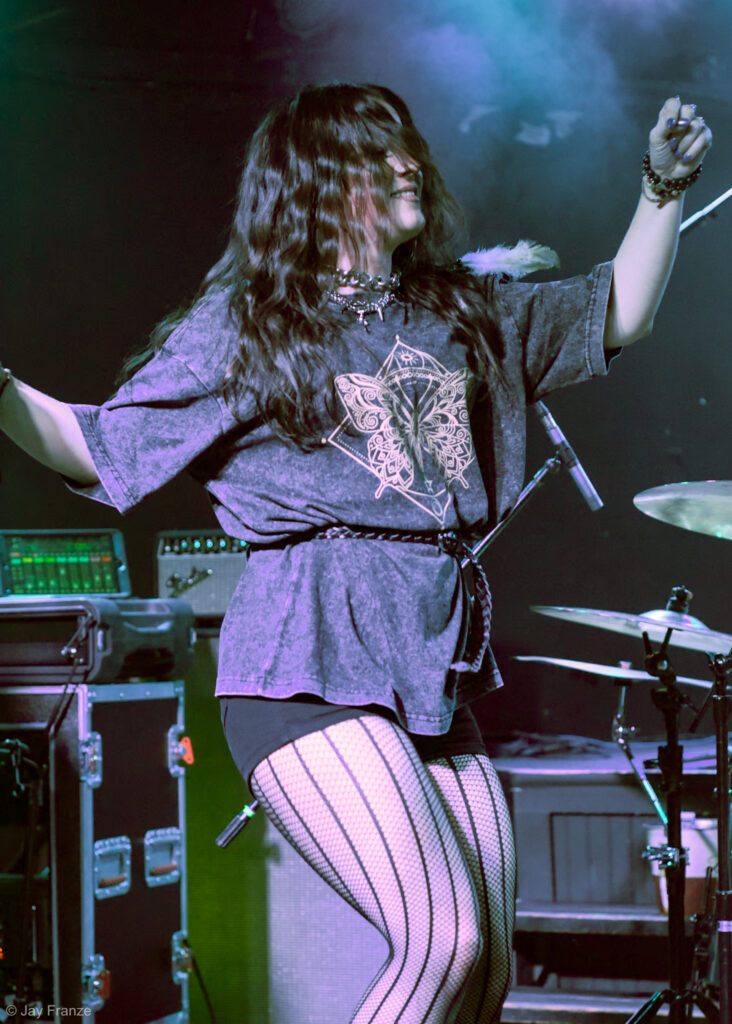
Long before the first guitar chord rings out, before the lights dim, before the first scream from the stage, vocalist Matthew Fritsch is already doing what he believes matters most.

Connecting people.

For the Cincinnati-based hard rock band Life After This, the music has never been the entire experience.

It’s simply the soundtrack to something much bigger.

Vulnerability Is Louder Than Volume

Spend five minutes talking with Matthew Fritsch and you’ll quickly realize something.

Despite fronting one of the heavier bands in the region, aggression isn’t what drives him.
Honesty is.

He credits bands like Papa Roach and Slipknot, not for teaching him how to scream louder or write heavier riffs, but for teaching him that strength often comes from admitting you’re hurting.

Earlier in his songwriting career, Matthew admits he hid behind clever lyrics and poetic metaphors.

He wanted to sound intelligent.

He wanted to sound mysterious.

Eventually, he realized listeners weren’t looking for mystery.

They were looking for themselves.

Artists like Jacoby Shaddix showed him that writing about pain doesn’t make you weak.

It makes you relatable.

That’s a lesson that fundamentally changed the way he approaches every lyric he writes today.

Every Song Has Its Own Personality

Matthew described how Life After This writes music.

Unlike many bands where lyrics begin the process, Life After This starts with emotion created by the instruments.

A guitar riff appears.

The band builds around it.

Only after the music feels complete does Matthew step away to write melodies and lyrics.

He doesn’t force words onto the music.

He waits for the music to tell him what it wants to become.

He described each song as having its own personality.

Its own identity.

Its own voice.

That’s an unusual approach, but listening to Life After This’s catalog, it makes perfect sense.

No two songs feel like copies of one another.

They all belong to the same neighborhood.

They just don’t live in the same house.

That might be the simplest, and best, description of artistic growth I’ve heard in a long time.

Heavy Music. Human Hearts.

Metal has always suffered from misconceptions.

People unfamiliar with the genre often see anger.

Noise.

Aggression.

Fans usually experience something entirely different.

Community.

Matthew understands that better than most.

He doesn’t believe fans attend shows simply to hear loud music.

They come because someone finally gave a voice to emotions they couldn’t explain themselves.

Heartbreak.

Anxiety.

Loss.

Depression.

Isolation.

Those emotions become easier to carry when thousands of strangers are singing them together.

That’s why metal crowds often become families.

It’s not about escaping pain.

It’s about discovering you’re no longer carrying it alone.

A School Bus Full of Fans

One story perfectly captured everything Matthew believes about building a fanbase.
Rather than asking supporters to simply drive to a show in another city, the band rented a school bus.

Fans bought tickets.

The band climbed aboard.

The ride itself became part of the concert experience.

Music played.

Conversations happened.

Beers were shared.

Friendships formed long before anyone stepped inside the venue.

By the time they arrived, the audience wasn’t simply attending another show.

They were already part of it.

The return trip?

Much quieter.

Not because anyone was disappointed.

Because everyone had completely emptied the tank.

There’s something wonderfully old-school about that approach.

In an era obsessed with algorithms and engagement metrics, Life After This invested in actual human interaction.

Turns out that’s still pretty effective.

The Biggest Surprise Is Meeting the Band

Watching Matthew perform onstage, you’d expect him to be intimidating.

Then you meet him.

The image disappears almost instantly.

He laughed while telling me that fans frequently approach the band after shows expecting larger-than-life personalities.

Instead, they find four guys joking around, watching the other bands, hanging out at the merch table, buying drinks, and talking music.

Matthew calls himself the biggest dork in the room.

After spending time with him, I’m inclined to believe him.

That authenticity probably explains why so many fans keep returning.

The performance creates the first impression.
The personality creates the lasting one.
Brotherhood Before Business

Every successful band eventually discovers the same truth.

Talent gets you noticed.

Chemistry keeps you together.

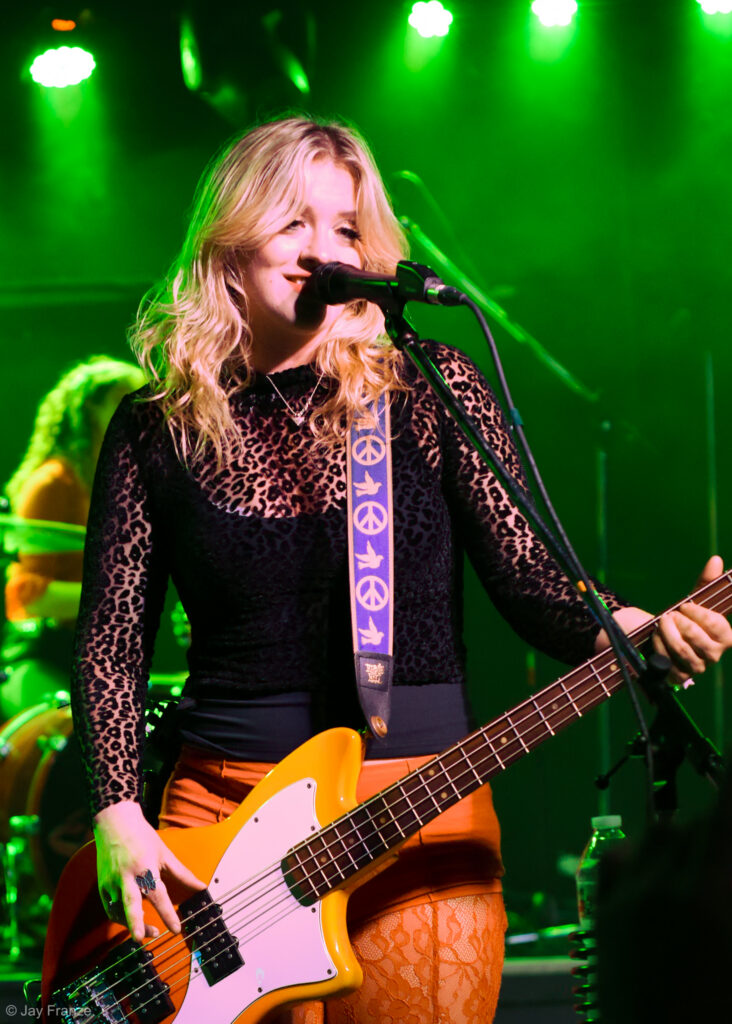
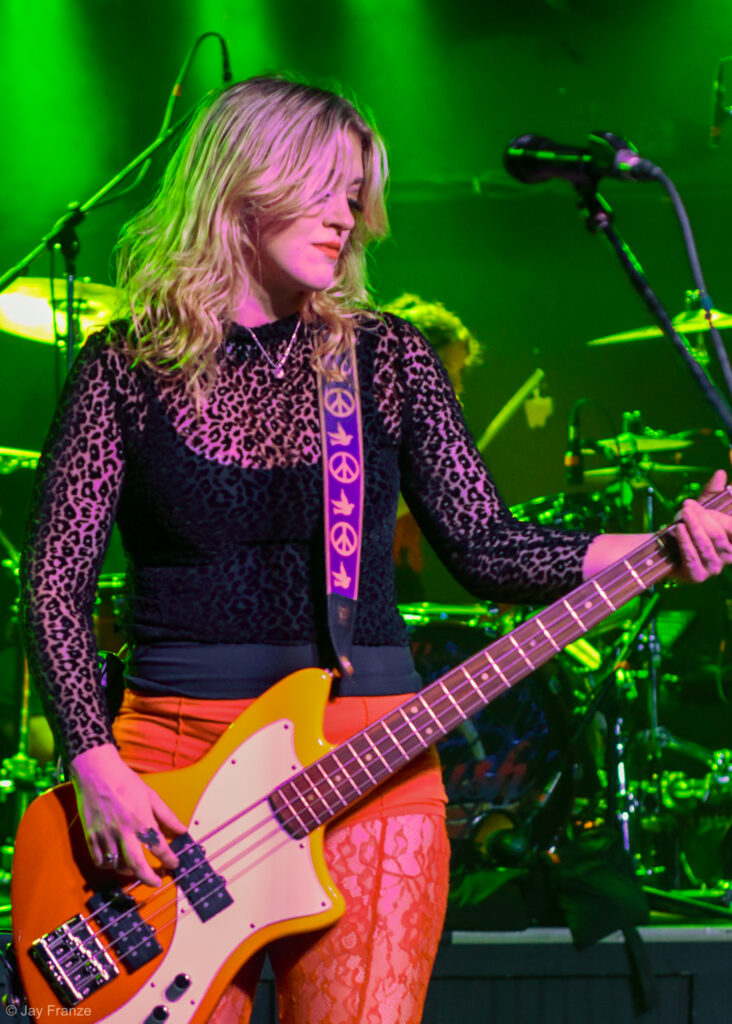
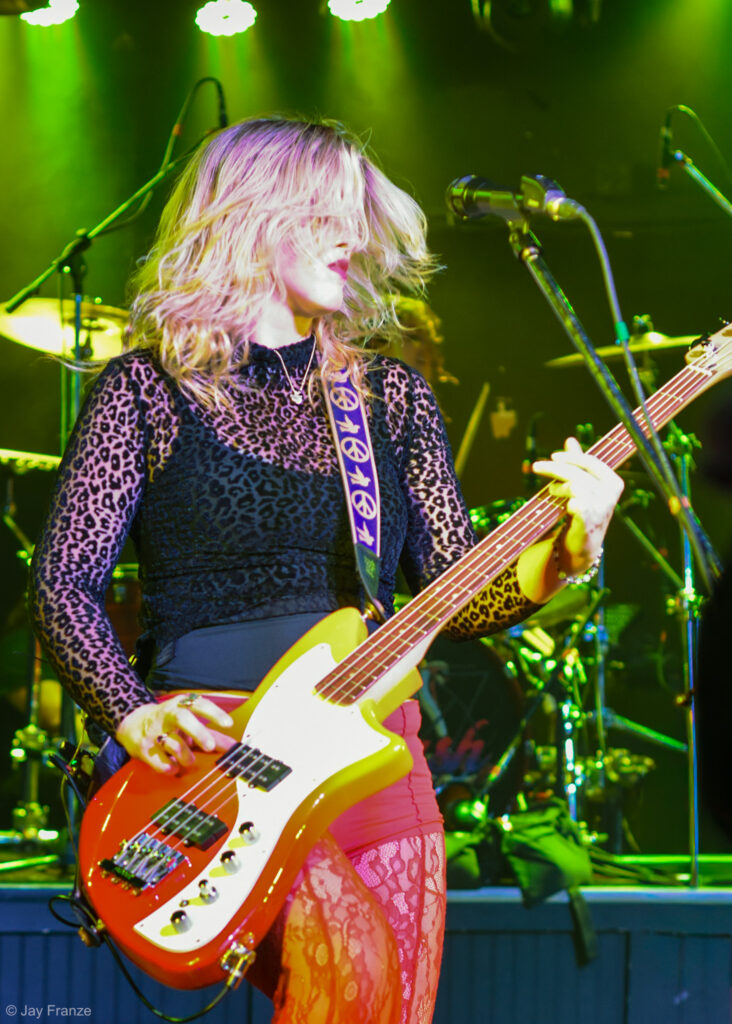
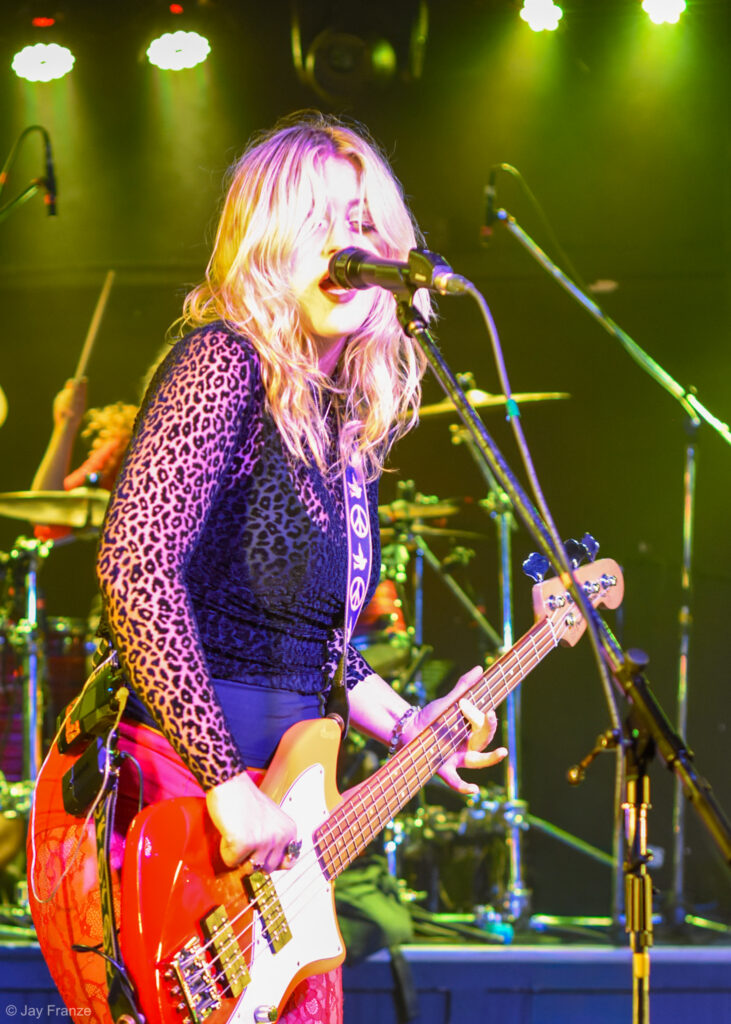
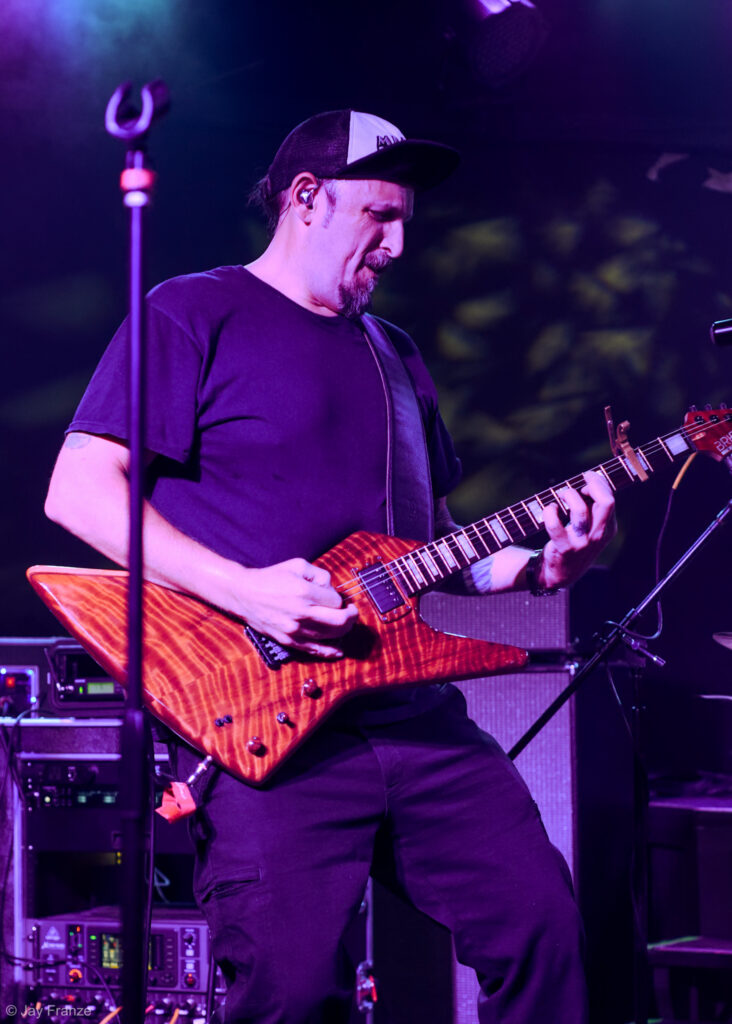
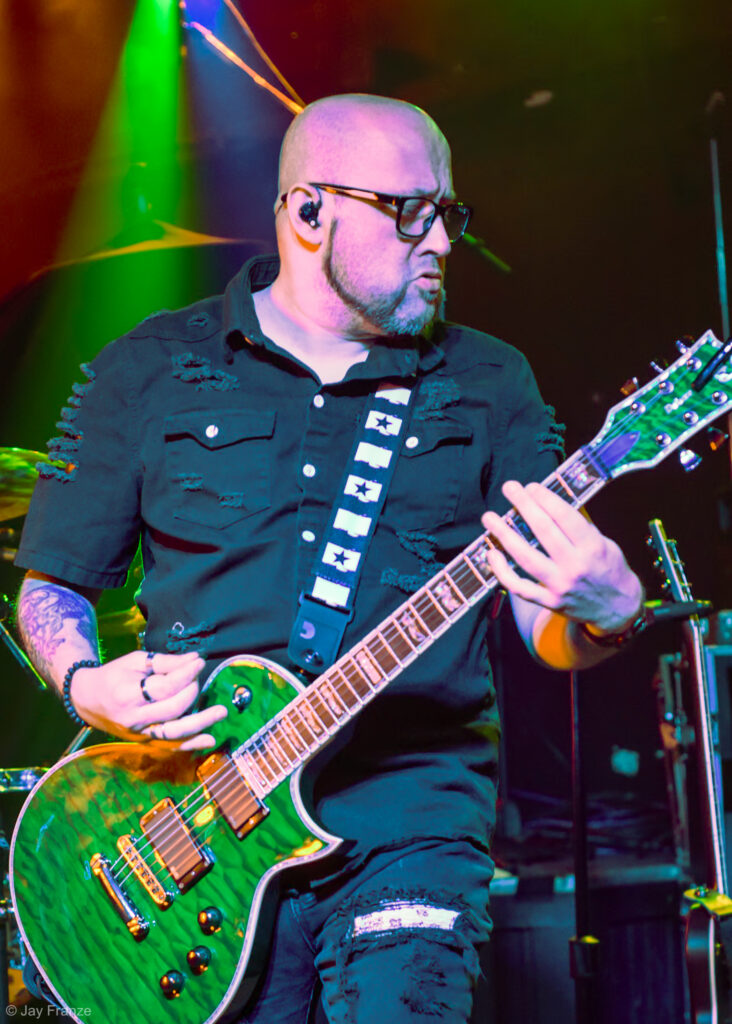
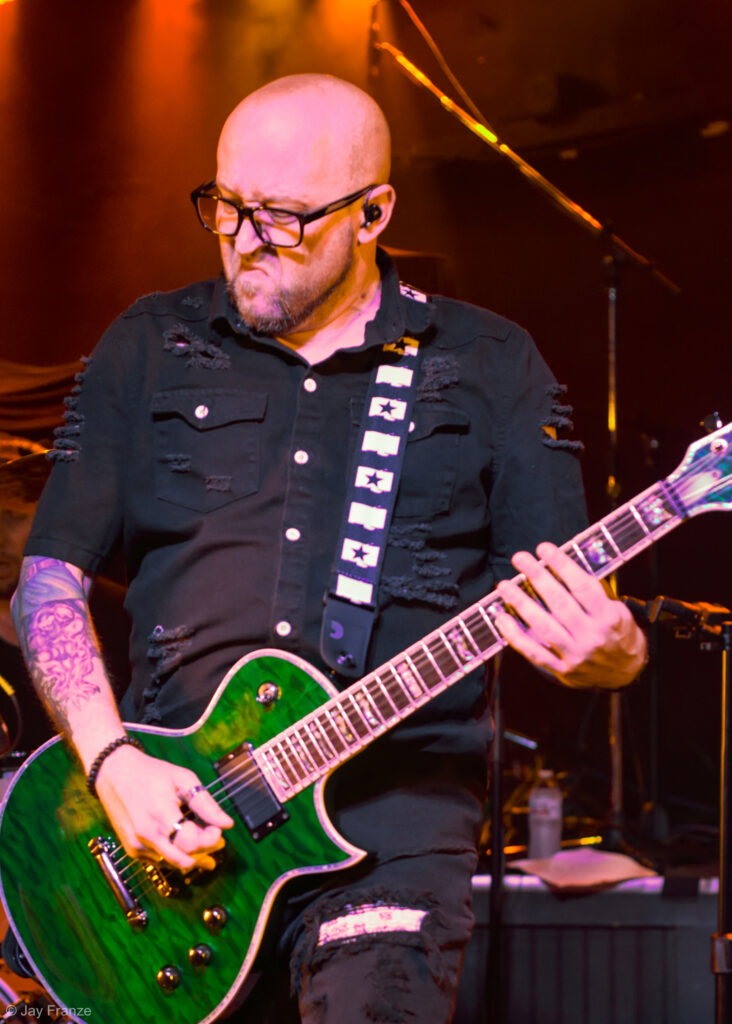
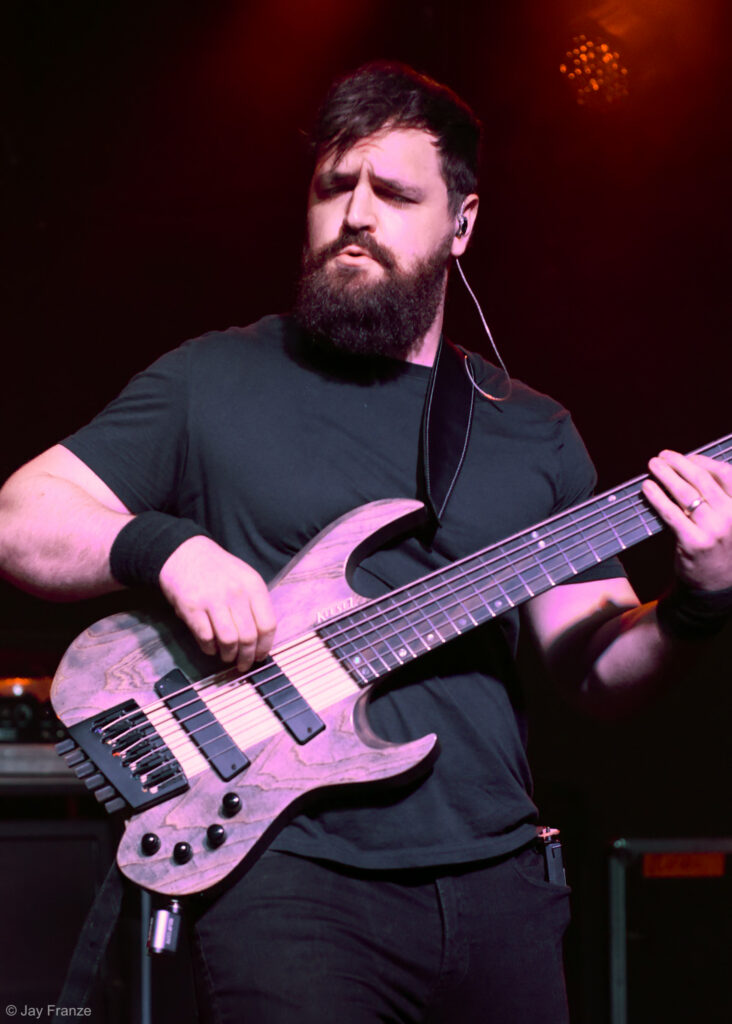
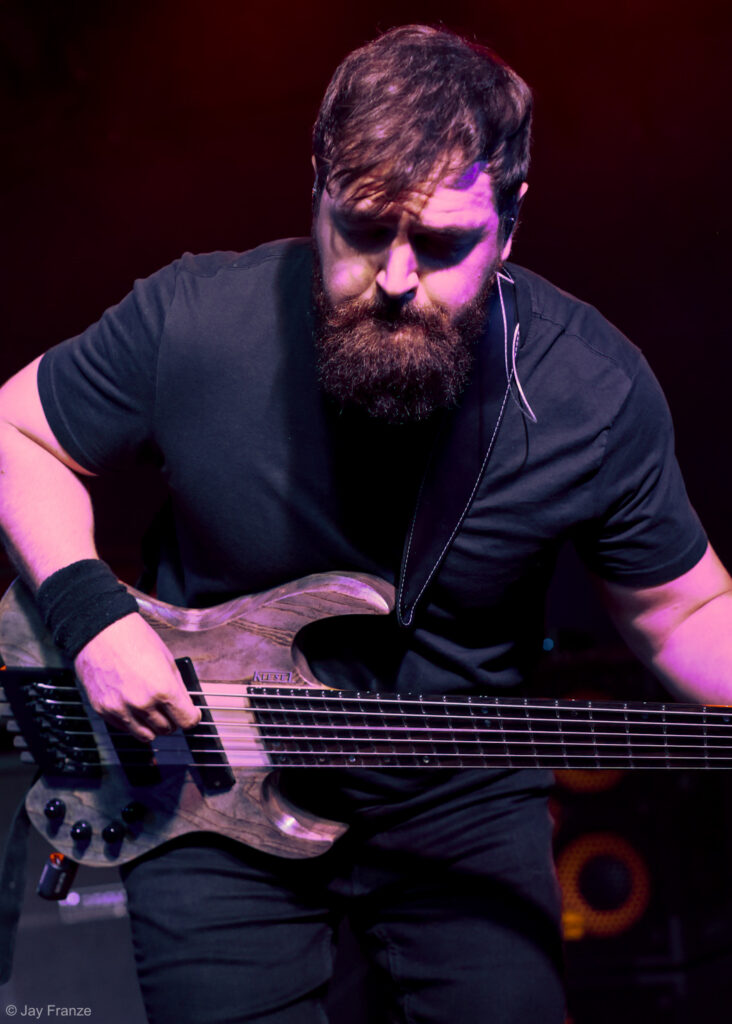
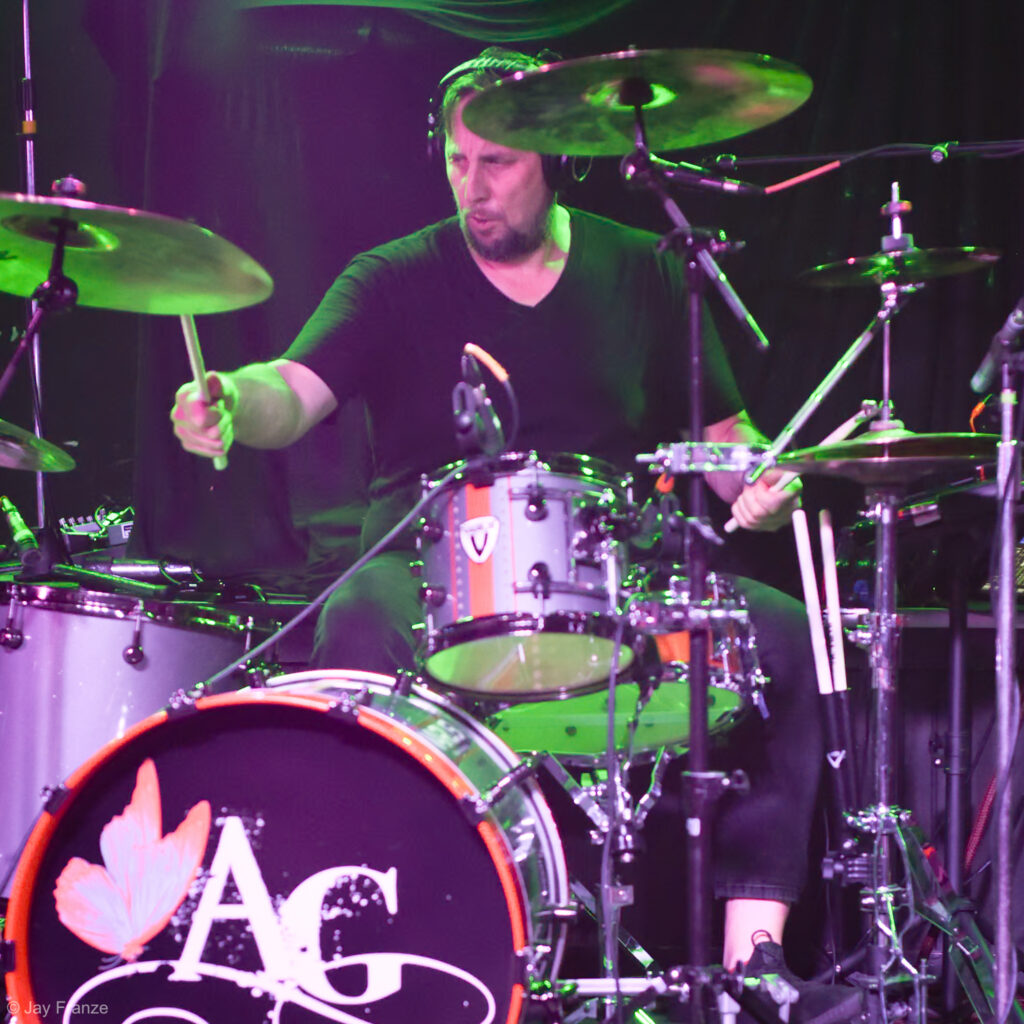
Matthew spoke with genuine admiration about guitarist Thomas Cheek, bassist Ray Vitatoe, and drummer Matt Johnson.

Each brings a different personality.

Each contributes creatively.

Just as importantly, they actually enjoy being around one another.

That might sound obvious.

It isn’t.

Bands often rehearse together.

Life After This intentionally spends time together even when they aren’t rehearsing.

Dinner.

Drinks.

Conversations.

No agenda.

No instruments.

Just friendship.

Matthew believes those moments matter just as much as practice.

Looking at the band’s chemistry onstage, it’s difficult to argue.

The Fifth Member of the Band

Every band has people audiences never see.

For Life After This, one of those people is producer and engineer Joe Viers at Sonic Lounge.

Listening to Matthew describe their recording sessions felt less like hearing about an engineer and more like hearing about another band member.

Joe doesn’t simply press Record.

He challenges ideas.

Suggests arrangements.

Experiments with sounds nobody else considered.

Sometimes that means striking guitar strings with a pen cap through a maze of effects pedals.

Sometimes it means encouraging another vocal take.

Sometimes it simply means asking, “What if?”

The remarkable part isn’t that Joe has ideas.

It’s that the band trusts him enough to try them.

That’s what great producers do.

They don’t replace an artist’s vision.

They expand it.

There Are No Egos Here

One recurring theme surfaced throughout nearly every topic we discussed.

Humility.

Matthew repeatedly emphasized helping other bands.

Supporting local musicians.

Sharing advice.

Watching opening acts.

Building relationships.

His philosophy is refreshingly simple.

“A rising tide raises all ships.”

That’s increasingly rare in an industry often obsessed with competition.

Life After This doesn’t seem interested in climbing over other bands.

They’d rather climb together.

It’s a mindset that’s difficult to fake.

Fortunately, they don’t have to.

The Audience Comes First

Toward the end of our conversation, Matthew shared something that perfectly summarizes the band’s philosophy.

Some artists believe it’s the audience’s privilege to watch them perform.

He believes the opposite.

Fans paid for tickets.

Parking.

Babysitters.

Drinks.

Time away from home.

That means standing onstage isn’t an entitlement.

It’s a responsibility.

“It’s our privilege to be there in front of you,” he said.

That’s a perspective more artists would benefit from adopting.

Because the moment performers begin viewing fans as partners instead of customers, everything changes.

Life After This Is About More Than What’s Next

After spending an hour talking with Matthew Fritsch, I found myself thinking less about breakdowns, screaming vocals, or heavy guitar riffs.

I kept coming back to one word.

Connection.

It’s there in the songwriting.

It’s there in the live performances.

It’s there in the recording process.

It’s there on the party bus.

It’s there after every show when the band is standing in the crowd talking to people instead of hiding backstage.

The music might introduce listeners to Life After This.

But it’s the community that keeps them coming back.

In a genre often defined by volume, Life After This has discovered something far more powerful.

People don’t remember the loudest band they saw.

They remember the one that made them feel like they belonged.

Five Finger Death Punch (Riverbend, Cincinnati, OH) 8/10/26

Hot doesn’t begin to describe it.

When I left my house around 5 p.m. and headed toward Riverbend Music Center for Five Finger Death Punch, the temperature was pushing 100 degrees, with enough humidity to make the short walk from the parking lot to the gate feel like an endurance test. By the time I made it inside, I already felt like I needed a change of clothes.

But this was Five Finger Death Punch, and a little Cincinnati summer heat wasn’t going to get in the way.

My friend Bruce, who was mixing front of house for the show, was nice enough to invite me out and leave a couple of passes at the box office. After picking them up, I headed inside Riverbend (A 20,500-capacity amphitheater sitting along the banks of the Ohio River).

Built for the Cincinnati Symphony Orchestra in 1984, Riverbend has become the venue of choice for summer concerts. Over the years, just about every genre imaginable has found its way onto that stage. On this particular Monday night, however, subtlety wasn’t exactly on the schedule.

Unfortunately, I wasn’t able to shoot from the photo pit for this one. Instead, I was given the opportunity to shoot from front of house.

As it turned out, that might have been the best place I could have been.

Before Five Finger Death Punch took the stage, Bruce hooked me up with some amazing seats where I was able to catch the first couple of acts, Eva Under Fire and Cody Jinks.

Both killed it.

I’ve been a fan of Cody Jinks for a while, so I already had an idea of what to expect from him. Eva Under Fire was a different story. This was my first time seeing them live, and let’s just say they left with another fan.

Once Jinks finished his set, I made my way over to FOH and met up with Bruce. We had some time to catch up, talk gear, and do what people who have spent far too much of their lives around audio equipment inevitably do, talk about more audio equipment.

Then the lights went down.

I’ve seen Five Finger Death Punch a handful of times over the years, so I wasn’t walking into this show without expectations. I knew the intensity. I knew the songs. I knew the kind of audience they attract and the connection the band has built with its fans.

But this felt different.

The production was massive.

Five Finger Death Punch has never exactly been known for doing things halfway, but this show took that philosophy to another level. The enormous stage production transformed Riverbend into something that felt built specifically for the band. From FOH, I could see the entire picture rather than just one piece of it, and that’s where the scale of the production really became apparent.

And then there was the sound.

Don’t tell Bruce I said this, but it sounded amazing.

There is something uniquely satisfying about hearing a heavy band through a properly tuned large-scale system. Five Finger Death Punch’s music is built on weight, the guitars have to hit, the drums have to punch, and the vocals have to sit on top of all of it without losing the aggression that makes the band what it is.

From where I was sitting, everything hit exactly where it needed to.

But as good as the audio was, something else was helping make my full-stage photos come alive.

The lighting.

Lighting designer Bryan Hartley absolutely crushed it.

Shooting from FOH means giving up the proximity and intimacy you get in the pit, but it also gives you something the pit can’t: perspective. From that distance, I could capture the entire stage, and Hartley’s lighting turned those wide shots into some of my favorites of the night. The colors, movement, timing, and sheer scale of the lighting complemented the band’s production rather than simply illuminating it.

Thank you, Bryan.

After spending some time talking with Bruce and getting the shots I needed, I eventually put the camera down and grabbed a seat directly behind Bruce and Bryan.

That’s when the night became even more interesting.

I’ve spent enough years around concerts and production to know what happens behind the scenes, but there’s still something fascinating about sitting there and watching talented people execute a show at this level.

Bruce and Bryan weren’t simply pushing buttons and moving faders.

They were performing.

Sitting behind them, I watched the two of them run the show almost like conductors leading a symphony. Every cue mattered. Every lighting change, every transition, every adjustment happened in real time while thousands of people watched the result without necessarily thinking about the people responsible for making it happen.

And that’s exactly how it’s supposed to be.

When production is done right, the audience shouldn’t be thinking about the lighting console or wondering what the front-of-house engineer is doing. They should simply feel the show.

And Riverbend felt this one.

Five Finger Death Punch has spent more than two decades building its reputation as one of modern hard rock and heavy metal’s most recognizable bands. Formed in Las Vegas in 2005, the group has collected platinum and gold records, dominated rock radio, and developed an intensely loyal fanbase along the way.

Seeing them live makes it easy to understand why.

There’s an unapologetic quality to a Five Finger Death Punch concert. Everything is big, the riffs, the attitude, the production, the crowd response. Yet underneath all of that aggression is a connection between the band and its audience that has always been a significant part of their identity, particularly through their longstanding support of military members and veterans.

That relationship is difficult to manufacture.

After seeing the band several times, I could have walked into Riverbend expecting another Five Finger Death Punch show and probably still walked away satisfied.

Instead, I walked away appreciating the show from an entirely different perspective.

Maybe it was because I was shooting from FOH instead of the pit. Maybe it was because I spent part of the night sitting behind the people responsible for translating what was happening onstage into what the rest of us experienced. Or maybe the combination of the band, production, lighting, sound, and a packed summer night at Riverbend simply came together exactly the way it was supposed to.

Whatever it was, this one felt different.

The temperature may have been pushing 100 degrees when I arrived, but by the time Five Finger Death Punch took over Riverbend, the weather wasn’t the hottest thing in Cincinnati.

And somewhere behind thousands of screaming fans, two guys at front of house were quietly helping make the whole thing happen.

Every show has a story. Sometimes, the best part of that story is happening on the other side of the stage.