Life After This (Annie’s Music Center, Cincinnati, OH) 7/10/26

Life After This with Archers Gate, Asayda, and Bury Us All
Friday, July 10, 2026
Annie’s Music Center – Cincinnati, Ohio

Some nights start with chaos before you ever walk through the gate.

I left the house later than planned after my wife got home from work, and my daughters Bella, Valen, and I took a friend’s visiting daughter out for dinner before heading to the show. By the time I pulled into Annie’s Music Center, it was still hanging around 87 degrees with the kind of humidity that makes your camera strap feel twice as heavy.

As I stepped out of the car, I heard music.

Immediately, the internal panic kicked in.

Great… I’m already missing an opener.

I threw the camera bag over my shoulder, picked up the pace, and started speed-walking like every concert photographer who’s convinced they’re about to miss the first three songs.

False alarm.

It was only soundcheck.

My heart rate eventually returned to factory settings.

Having photographed Archers Gate here just a couple weeks ago, Annie’s Music Center already felt familiar. Even better, security apparently remembered me, or maybe they just remembered the guy carrying enough camera gear to film a documentory. Either way, they smiled, waved me through, and I was inside before I had a chance to dig for my credentials.

Experience paid off this time around.

After learning the room during my first visit, I packed smarter and brought the right lens for the venue. Sometimes photography isn’t about buying new gear; it’s about finally admitting you brought the wrong gear last time.

I rolled in around 7:45, set everything up, and waited to see if the advertised start time was more of a suggestion than a commitment.

It was.

While we waited, I swapped stories with a couple of fellow photographers, every pit eventually turns into a support group for people who willingly spend weekends carrying twenty pounds of equipment while trying not to get kicked in the head.

Then the music finally started.

The Openers Set the Tone

Bury Us All came out swinging with the kind of melodic metalcore that scratches the nostalgic itch for fans raised on early 2000s heavy music. Massive breakdowns, tight musicianship, and enough energy to wake up anyone who hadn’t finished their energy drink.

Asayda followed with a polished hard rock set that balanced aggression with melody. Having shared stages with bands like Sevendust, they looked completely comfortable commanding the crowd and kept the momentum moving forward.

Then came Archers Gate.

I’ve already covered these guys recently, but seeing them again only reinforced what I wrote after my first show, they’re becoming one of the more exciting local bands I’ve come across this year.

It probably helped that I’d spent the last week unintentionally memorizing half their catalog after leaving their music on repeat in my car.

Familiarity changes everything.

Instead of spending the set figuring out where the songs were going, I could simply enjoy watching them perform. Emily Schulte once again delivered a commanding vocal performance, while Joseph Bartone, Jake Bartone, and Josh Curran continued proving that chemistry can’t be faked.

Some bands are technically good.

Others simply feel connected.

Archers Gate falls into the second category.

When Everything Goes Wrong… and Nobody Notices

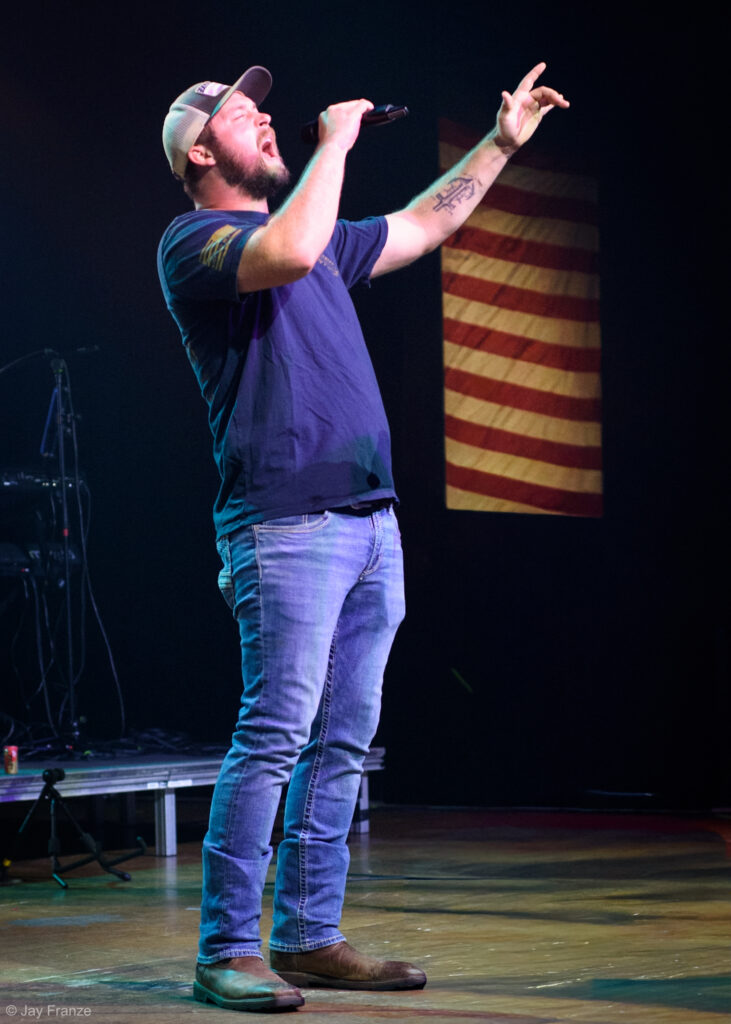
If Life After This had any plans for a dramatic opening using frontman Matt Fritsch’s bullhorn…

…physics had other ideas.

The batteries literally fell out before the show started.

Sometimes rock and roll isn’t glamorous.

Sometimes it’s chasing AA batteries across a stage while pretending nothing happened.

Unfortunately, the bullhorn wasn’t the only issue. House equipment problems seemed determined to make appearances throughout the evening, affecting multiple bands all night long.

Here’s the funny thing about live music, though.

Nobody remembers the gear when the band is good enough.

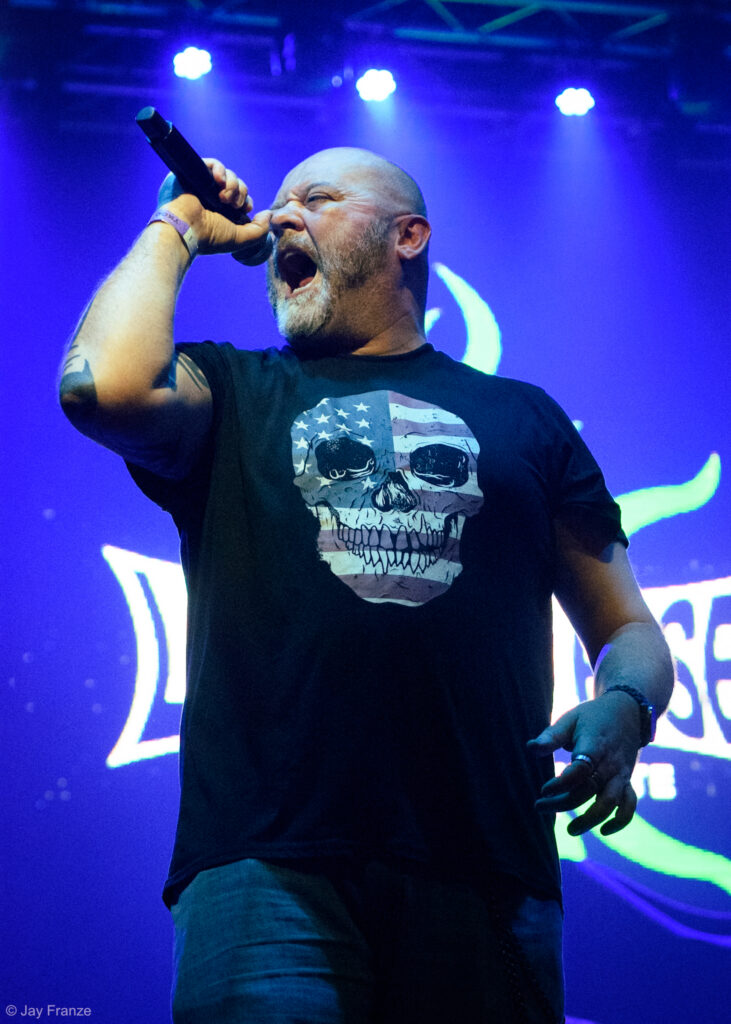
Life After This didn’t waste time worrying about what wasn’t working.

They simply got to work.

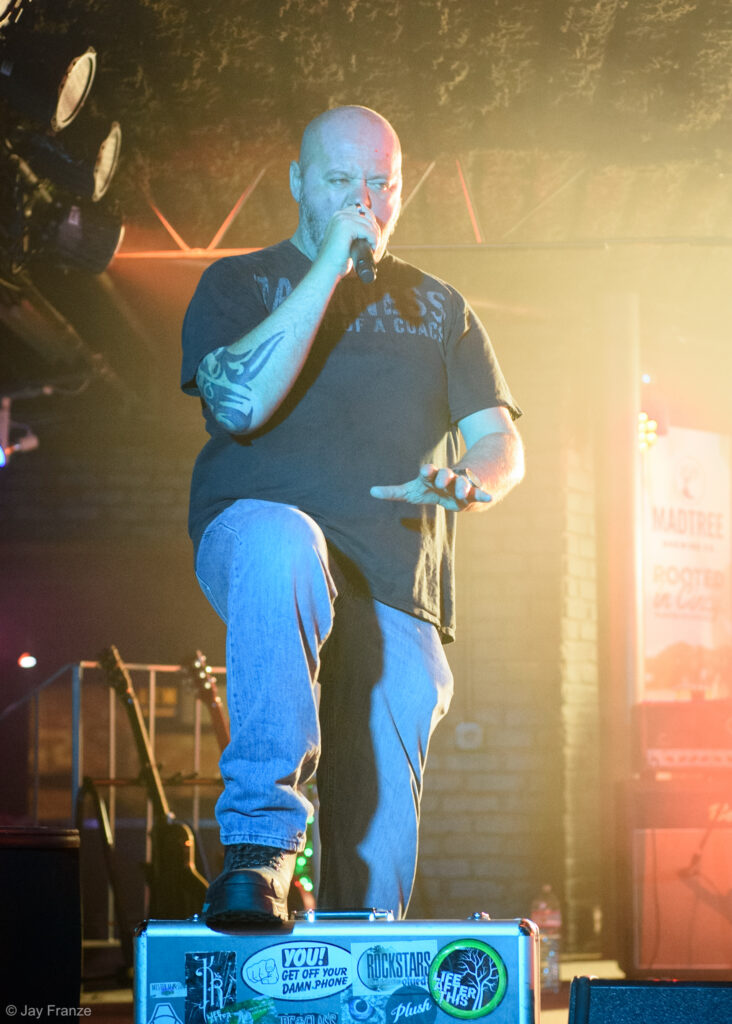
Drummer Matt Johnson laid down an absolute thunderstorm behind the kit, locking in perfectly with bassist Ray Vitatoe to build a rhythm section that felt more like controlled demolition than accompaniment.

Every heavy band talks about having a solid foundation.

Life After This actually has one.

Meanwhile, guitarist Thomas Cheek was everywhere.

Some players stay rooted to one spot and let the guitar do the talking.

Thomas apparently decided both should talk.

His stage movement matched the intensity of his playing, creating the kind of visual energy that photographers secretly appreciate because stationary guitarists make for… let’s just say… less exciting photos.

The Crowd Became Part of the Show

One of the night’s standout moments came when Matt Fritsch climbed off the stage entirely and headed straight into the crowd.

Surrounded by fans in the pit, the barrier between performer and audience completely disappeared.

It wasn’t staged.

It wasn’t forced.

It was simply a frontman feeding off the people who came to see him.

Then came a moment that completely shifted the atmosphere.

Matt invited a couple of young girls onto the stage during a song.

Watching them light up under the stage lights while enthusiastically headbanging alongside the band became one of those moments that reminds you why live music matters in the first place.

Heavy music often gets painted with the wrong brush by people who’ve never actually experienced the community surrounding it.

What they miss is this.

Metal shows can absolutely flatten your chest with volume.

They can also create moments where little kids are welcomed onto the stage to become part of the show.

Both things can be true.

No Bullhorn. No Problem.

Ironically, after all the early drama surrounding the broken bullhorn, I never did get the photo I thought I was going to capture.

Instead, I left with something better.

A collection of images from a band that refused to let technical problems become excuses.

The evening wrapped up with a powerful encore that sent everyone home satisfied, proving that the strongest performances aren’t always the ones where everything goes perfectly, they’re the ones where nothing goes according to plan, and the audience never feels the difference.

Before heading out, I caught up with Thomas Cheek to thank him for the performance and the hospitality.

One final stop at the bar was equally deserved.

I never caught the bartender’s name, occupational hazard when you’re trying to have a conversation next to several thousand watts of amplified guitars, but she took great care of me throughout the evening, and that’s worth recognizing.

Some people remember the songs.

Some remember the lights.

Photographers remember the bartenders who keep the water, okay, soda coming.

Final Thoughts

Life After This proved exactly why they’ve remained a fixture in the Cincinnati hard rock scene for more than a decade.

Equipment failed.

The bullhorn quit.

The house threw curveballs all night.

None of it mattered.

Because when the lights came up, the crowd wasn’t talking about technical issues.

They were talking about the performance.

And in live music, that’s about the best review a band can earn.

Links

The Summit (The Southgate House Revival, Newport, KY) 7/2/26

Sometimes the best nights aren’t the ones you’ve had circled on the calendar for months. Sometimes they’re the last-minute text, the quick decision from your living room couch, and the mad scramble to make sure you packed enough batteries.

That was Thursday night.

At around 7:00 p.m., I looked at the clock, realized doors at Newport’s historic Southgate House Revival opened in thirty minutes, grabbed my camera bag, mentally ran through my gear checklist one last time, and headed out the door. Camera? Check. Lenses? Check. Batteries, memory cards, and every other piece of equipment a concert photographer suddenly becomes paranoid about forgetting? Check.

One lesson had already been learned from my previous show: despite my wife keeping our house somewhere just south of Antarctica, I wisely ditched the hoodie before leaving. For once, I made the right wardrobe decision.

The drive couldn’t have gone smoother. No traffic, easy street parking, and from the moment I walked through the front door, the evening was off to a great start. Security greeted me, made sure I knew where I needed to be, explained what to expect, and made me feel welcome before I’d even unpacked my camera.

For someone visiting Southgate House Revival for the first time, it’s impossible not to appreciate the venue itself. Housed inside a beautifully restored 1866 church, the room somehow manages to preserve its history without feeling like a museum. The stained-glass windows, soaring ceilings, and architectural details give every performance an atmosphere that’s difficult to recreate anywhere else. It’s one of those venues where the building is every bit as memorable as the music happening inside it.

After walking the room and mapping out a shooting plan, I dialed in my camera settings during soundcheck and settled in for the evening. The opening acts gave me a chance to familiarize myself with the lighting, angles, and rhythm of the room before the headliners took the stage.

Then it was time.

As The Summit walked onto the stage, they were greeted by a packed room that clearly knew exactly why they were there.

No dramatic entrance.

No oversized video screens.

No pyrotechnics.

No carefully choreographed introductions.

Just six musicians calmly picking up their instruments, looking at each other, and getting to work.

And honestly?

It was refreshing.

In an era where too many concerts rely on spectacle to distract from average musicianship, The Summit reminds you what happens when incredible players simply trust the songs they’ve written.

The Southern Ohio six-piece has built a reputation touring alongside giants like ZZ Top, REO Speedwagon, Collective Soul, and the Kenny Wayne Shepherd Band, and after watching them live, it’s easy to understand why those opportunities came their way. Their blend of blues, soul, Southern rock, and vintage classic rock feels authentic rather than nostalgic. They’re not trying to recreate another era, they’re simply carrying forward everything that made those records timeless.

Chris Scott commands the stage with an effortless confidence that never feels forced. His vocals have grit when they need it, warmth when the songs demand it, and enough soul to sell every lyric. Behind him, drummer Mike Hennel anchors the band while adding harmonies that give the songs even more depth.

The twin-guitar attack from Matt Goetz and Nathan Morgan was a highlight throughout the evening. Their chemistry was obvious, seamlessly trading rhythm and lead responsibilities while never overplaying. Michael Walker kept everything grounded on bass, while James Wiley-Benes added rich keyboard textures that gave many of the songs a fuller, almost vintage feel without ever becoming overpowering.

What stood out even more than the musicianship was the sense of community surrounding this band.

Earlier in the evening, Matt Goetz had already pulled double duty by performing with opening act The Electric Indigo before returning to the stage with The Summit. Meanwhile, Electric Indigo bassist Tej Arole spent the headlining set standing front and center like every other fan in the room, soaking in every note. There was no backstage ego, no separation between performers and supporters, just musicians genuinely enjoying each other’s work.

That feeling carried into one of the night’s most memorable moments when Chris Scott welcomed Melody Kisner of Hey Dreamer to the stage for a powerful performance of Collective Soul’s “Shine.” It wasn’t just another guest appearance, it felt like friends sharing a song they genuinely love. Considering The Summit’s history working alongside Collective Soul, the performance carried an extra layer of meaning that the audience clearly appreciated.

Throughout the evening, additional guests joined the band onstage, further illustrating the respect The Summit has earned within the regional music community. Great bands attract talented friends, and Thursday night was proof of that.

The Summit also took time between songs to recognize America’s servicemen and women while offering words of encouragement to those quietly battling their own personal demons. It wasn’t preachy or performative, it was sincere, heartfelt, and another reminder that sometimes the most memorable moments at a concert happen between the songs.

Of course, they didn’t leave the audience sitting in reflection for long.

The band shifted right back into high gear, delivering a finale packed with energy, confidence, and the kind of musicianship that leaves audiences smiling as the house lights come on.

Walking back to my car afterward, one thought kept coming to mind.

Rock music doesn’t need saving.

It simply needs bands like The Summit.

Bands willing to trust their songs instead of special effects. Bands that understand chemistry matters more than choreography. Bands that value musicianship over viral moments.

For two hours inside an old church in Newport, Kentucky, six musicians reminded a packed room why live music became magical in the first place.

No gimmicks.

No shortcuts.

Just outstanding songs, exceptional players, and enough soul to fill every corner of The Southgate House Revival.

That’s more than enough.

Links

The Electric Indigo (The Southgate House Revival, Newport, KY) 7/2/26

Some bands rely on volume.

Some rely on spectacle.

The Electric Indigo relies on feel.

As the direct support for The Summit Thursday night at Southgate House Revival in Newport, Kentucky, The Electric Indigo walked into one of music’s most unforgiving genres, blues-based rock, and made it look remarkably easy.

That’s no small accomplishment.

Blues leaves nowhere to hide. Every bend, every note, every solo, every groove is exposed. You can’t mask weak musicianship with backing tracks or production tricks. Either you can play, or you can’t.

The Electric Indigo can play.

From the moment frontman Matt Goetz stepped onstage with his beautiful tobacco-finished hollow body guitar, it was obvious the audience was in capable hands. Before he ever played a note, the instrument itself hinted at what was coming, a warm, vintage voice that perfectly complemented the band’s soulful approach.

And it absolutely delivered.

Goetz pulled rich, expressive tones from that guitar throughout the set, proving that sometimes the right instrument in the right hands becomes another member of the band. Every solo felt intentional, every phrase carried emotion, and every note served the song rather than simply showing off technical ability.

His guitar playing was matched by confident vocals and a relaxed stage presence that never tried too hard. There was an authenticity to the performance that fit the music perfectly.

Surrounding him was an exceptional group of musicians.

Guitarist Mason Johnson added another layer to the band’s already full sound, weaving tasteful rhythm and lead work around Goetz without ever competing for space. Alex Angel’s keyboard work provided warmth and texture, adding subtle colors that gave the arrangements greater depth while honoring the band’s vintage influences.

The rhythm section of drummer Jake Alvarez and bassist Tej Arole quietly held everything together. Their groove wasn’t flashy, it was solid, dependable, and exactly what blues-rock demands. Great rhythm sections often go unnoticed because they make difficult things look effortless, and that’s precisely what happened throughout the evening.

The band’s influences are easy to hear if you’re listening closely. Shades of The Allman Brothers Band, Freddie King, classic soul, jazz, and Southern rock all find their way into the music, but never as imitation. Instead, those influences become ingredients in a sound that feels authentic rather than borrowed.

What impressed me most was the chemistry.

Nothing felt forced.

No one appeared interested in stealing the spotlight.

Every member played for the song, and because of that, the entire band benefited.

One of the evening’s more enjoyable storylines unfolded later during The Summit’s headline performance, when Matt Goetz returned to the stage, this time as one of The Summit’s guitarists. Watching him seamlessly transition from leading his own band to supporting another highlighted not only his versatility as a musician but also the collaborative spirit shared among many of the performers that evening.

That same sense of community extended beyond the stage.

After finishing his own set, bassist Tej Arole could be found standing front and center in the audience during The Summit’s performance, cheering on fellow musicians like any other fan. It was a small moment, but one that spoke volumes about the respect these artists have for one another and the music they create.

The Electric Indigo doesn’t chase trends.

They don’t reinvent blues-rock.

Instead, they remind audiences why the genre has endured for generations.

Great songs.

Exceptional musicianship.

Tasteful restraint.

And enough groove to make it all feel effortless.

In an industry that often rewards excess, The Electric Indigo proves there’s still tremendous power in simply letting talented musicians play.

Sometimes, that’s exactly what great live music is supposed to be.

Links