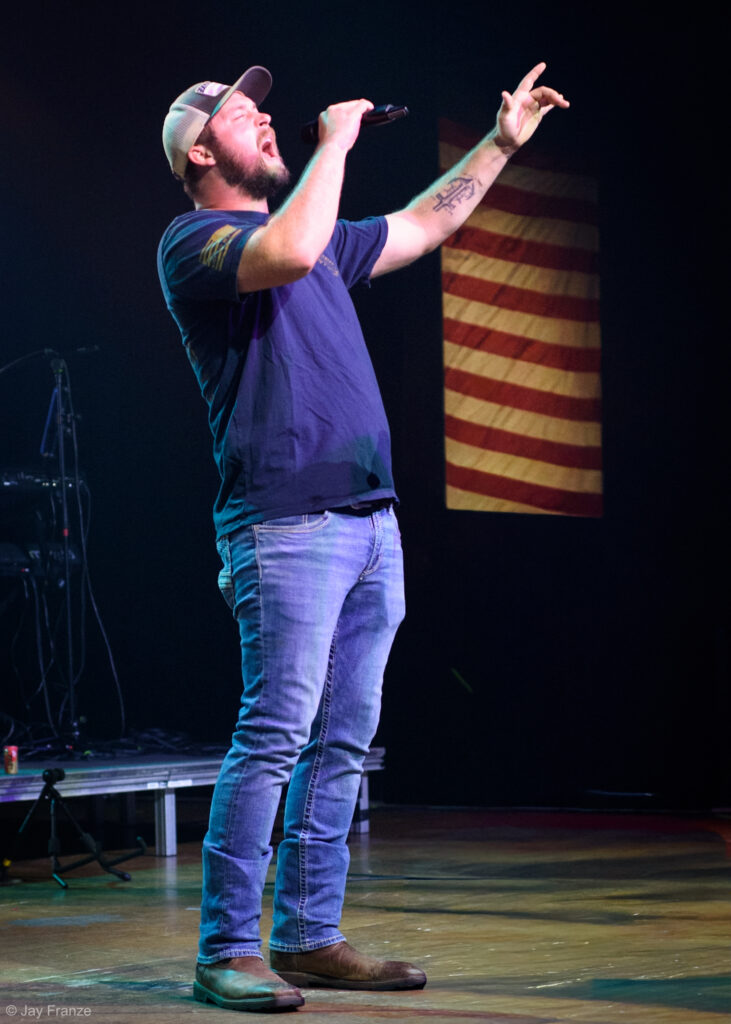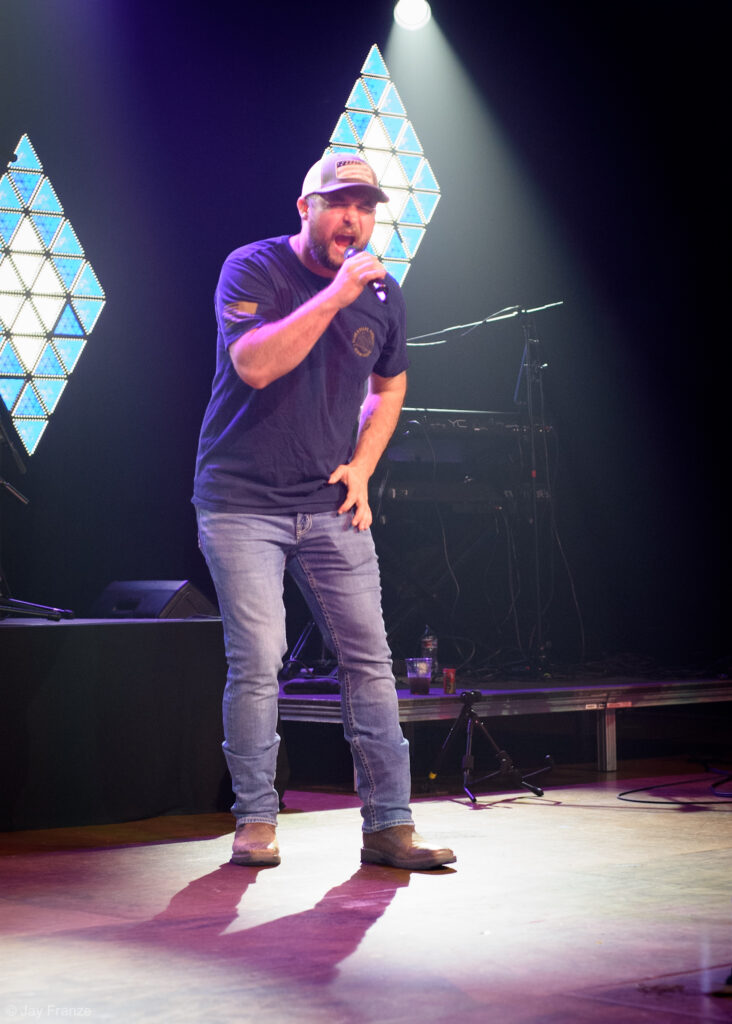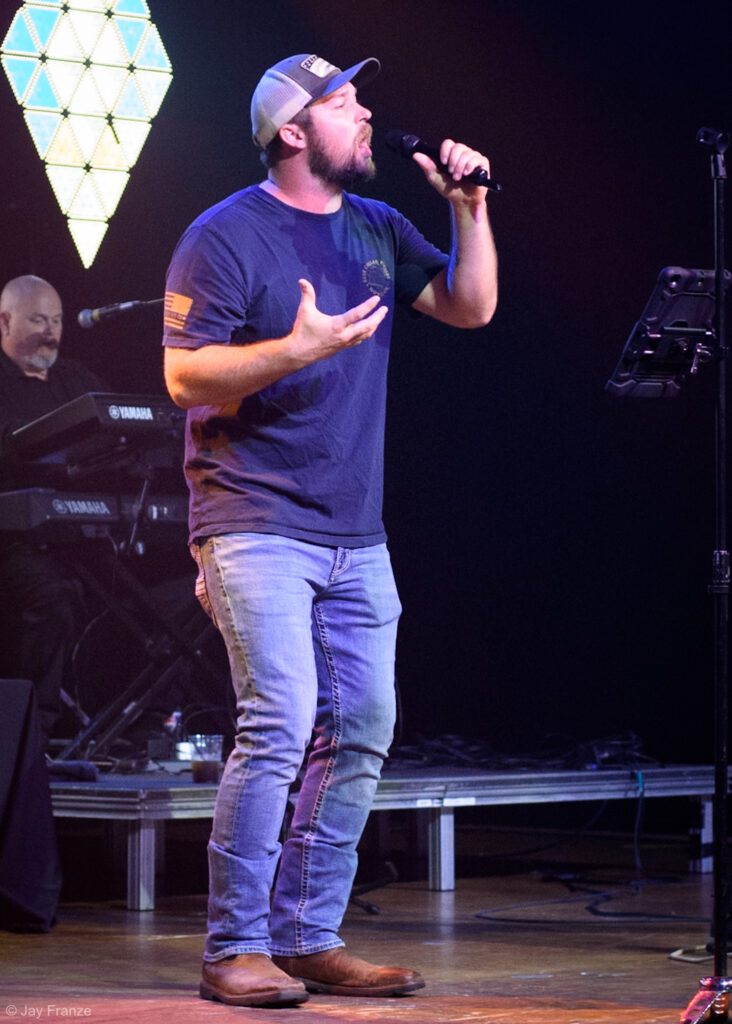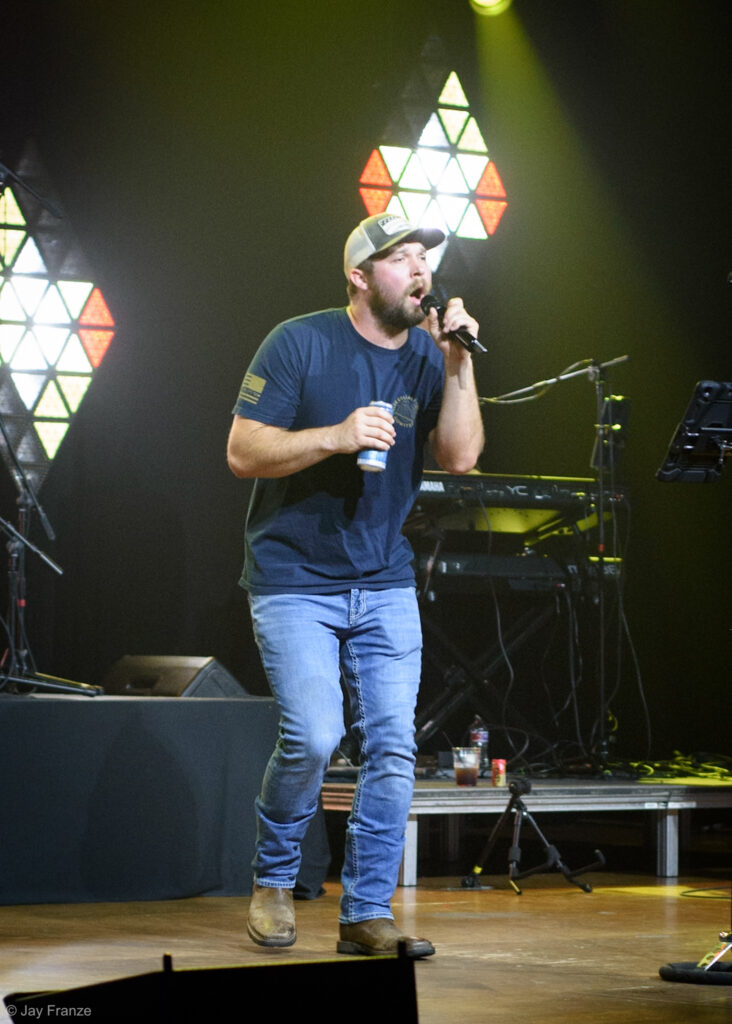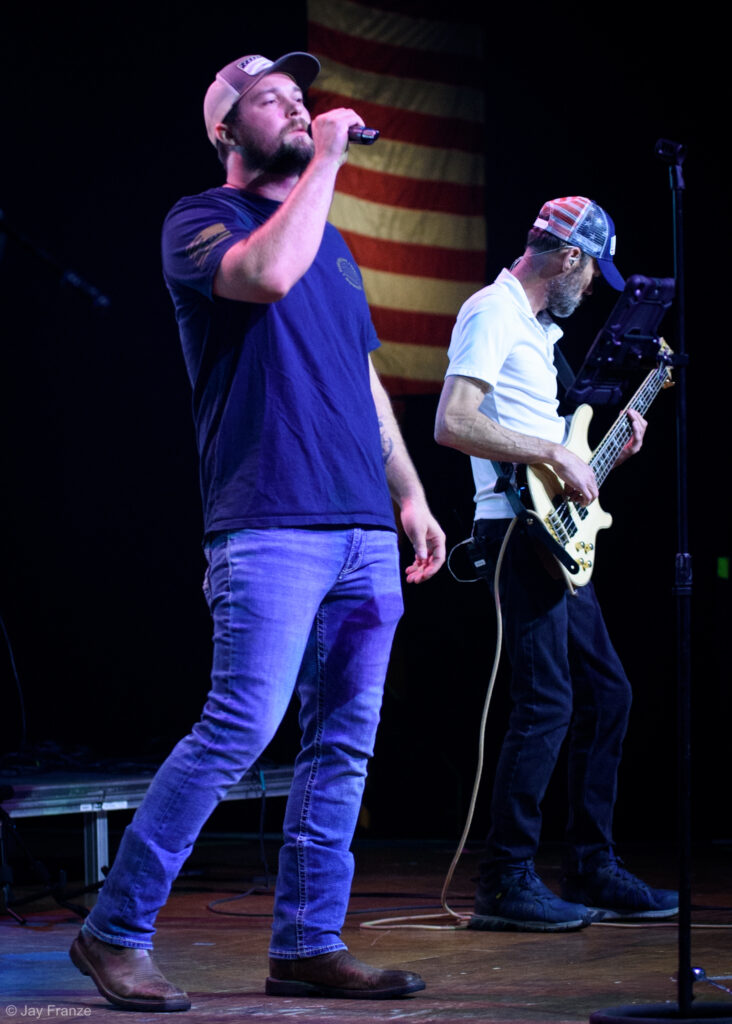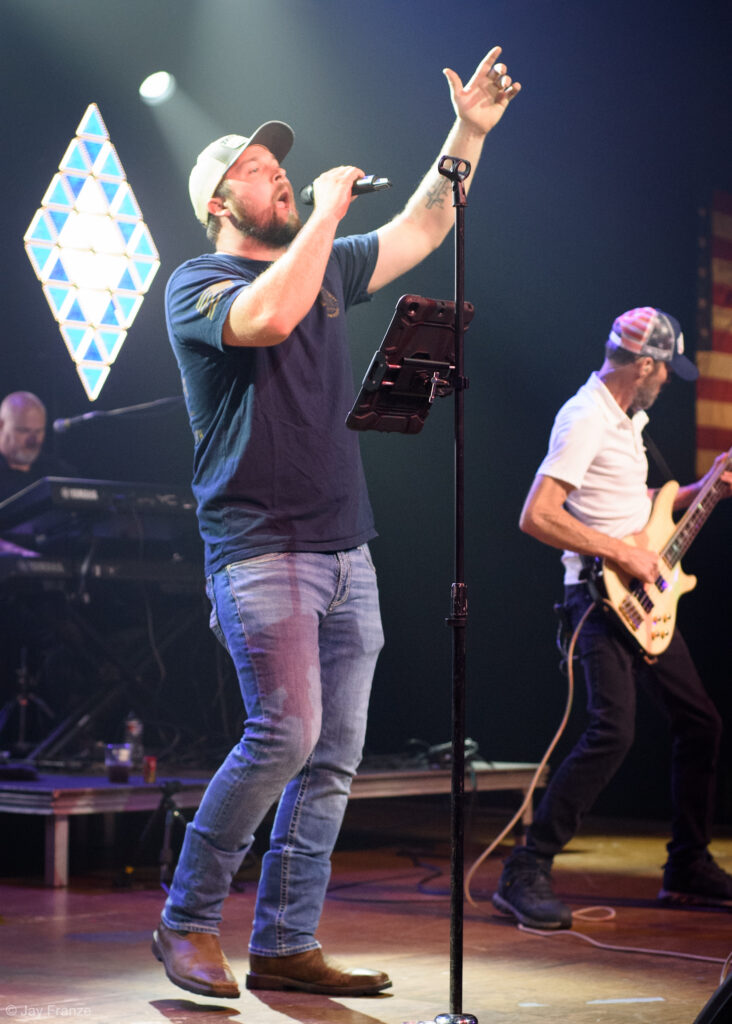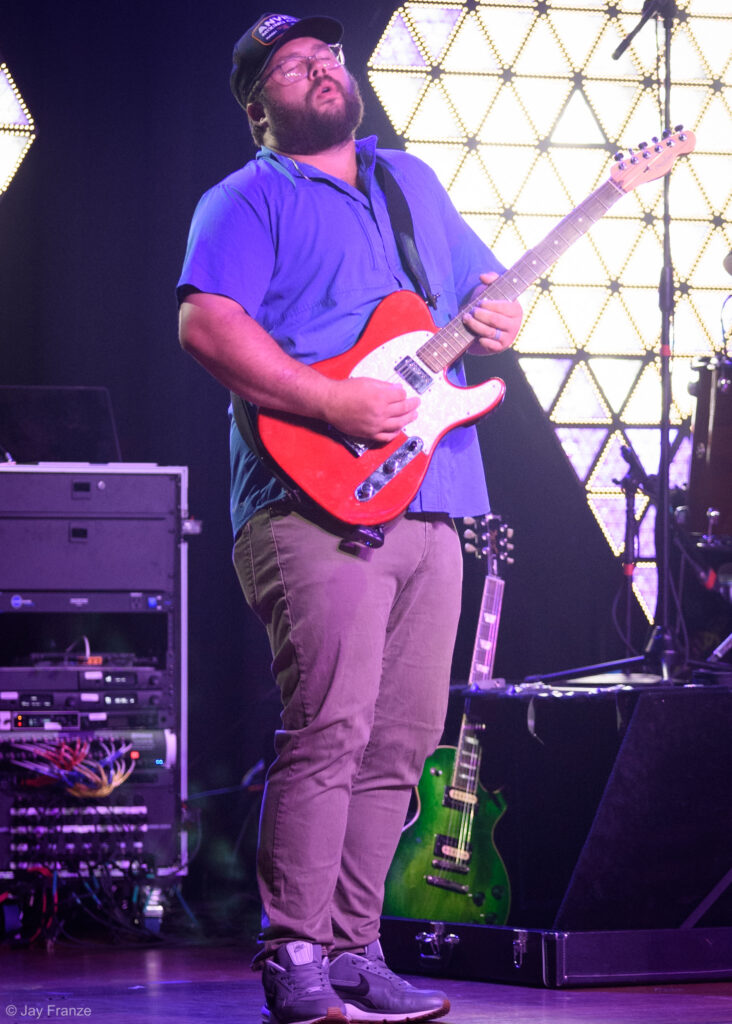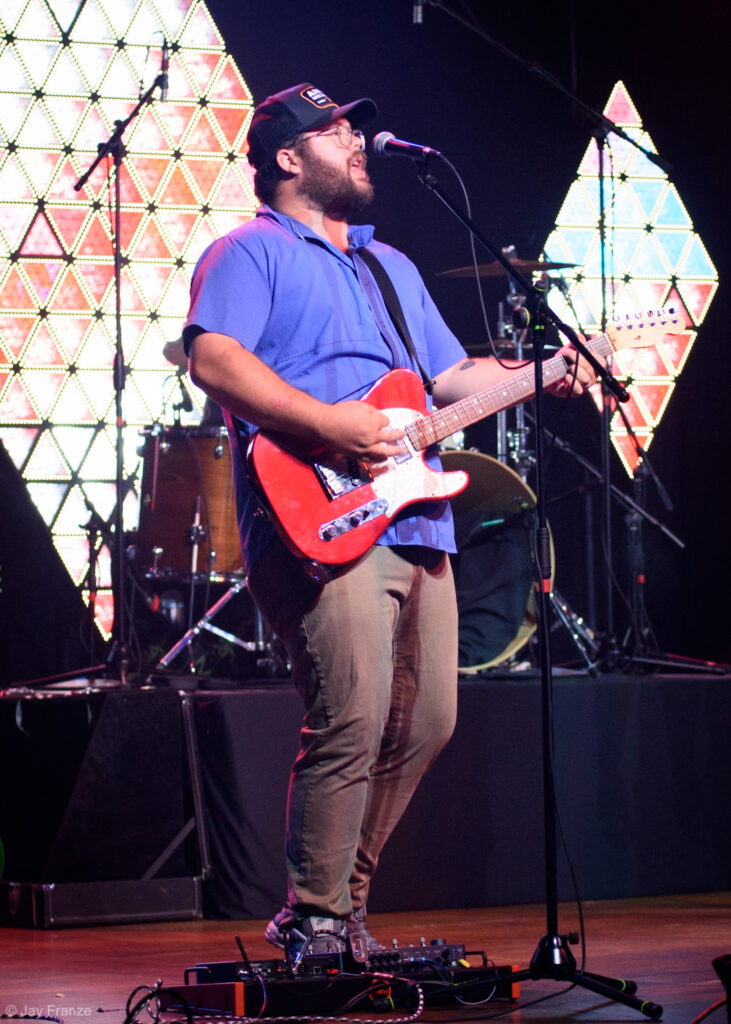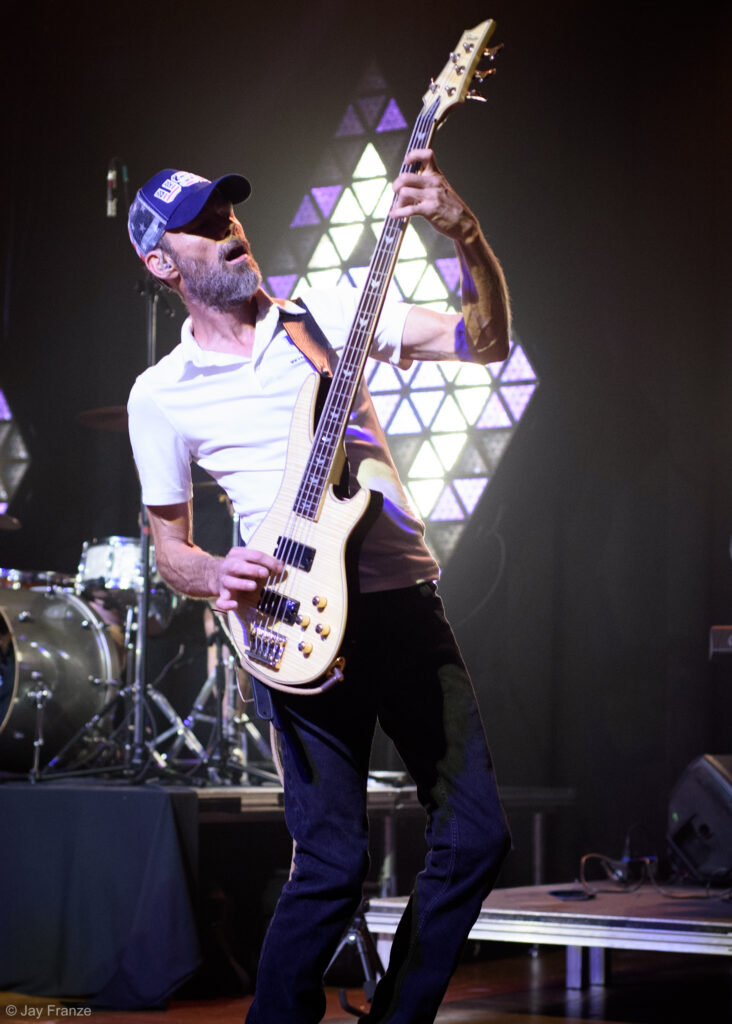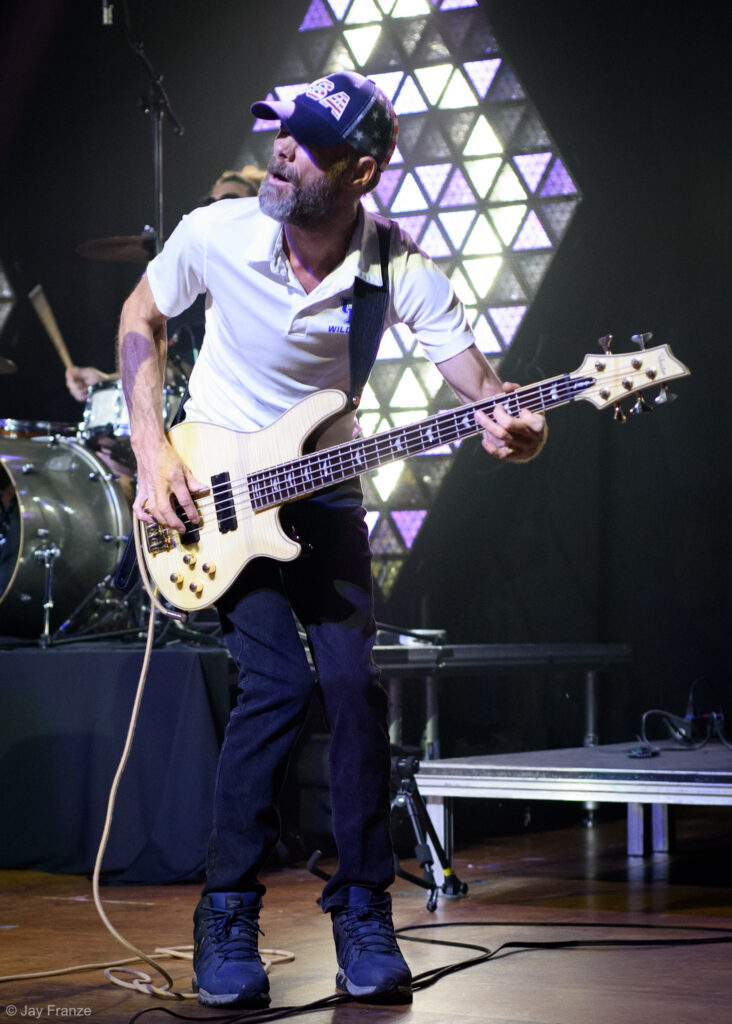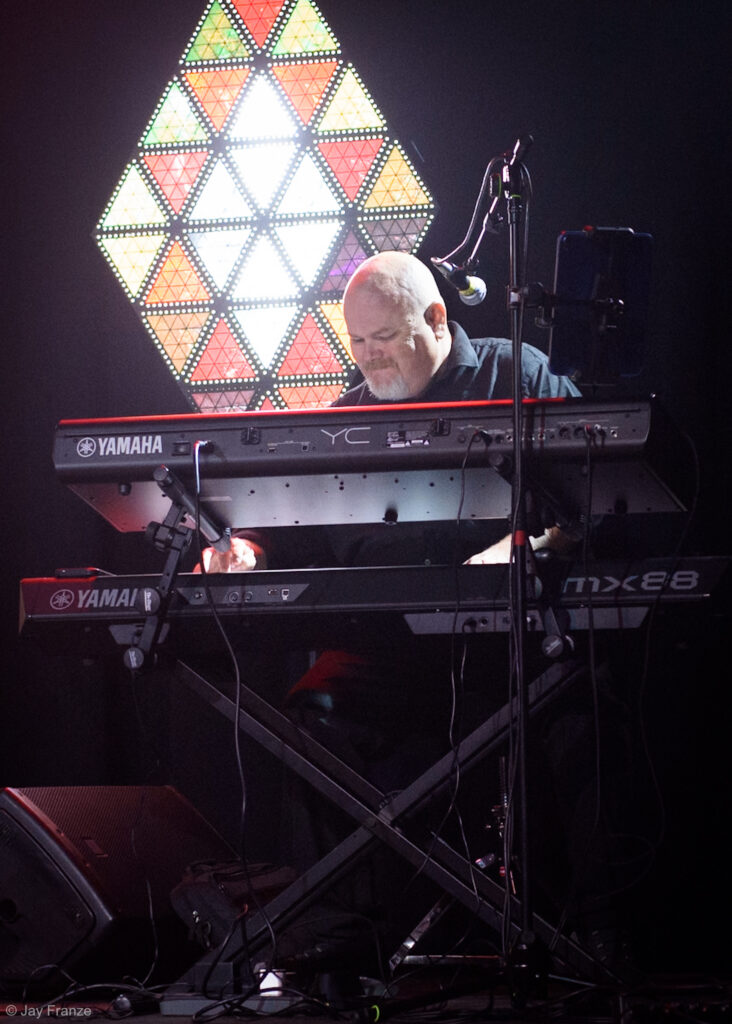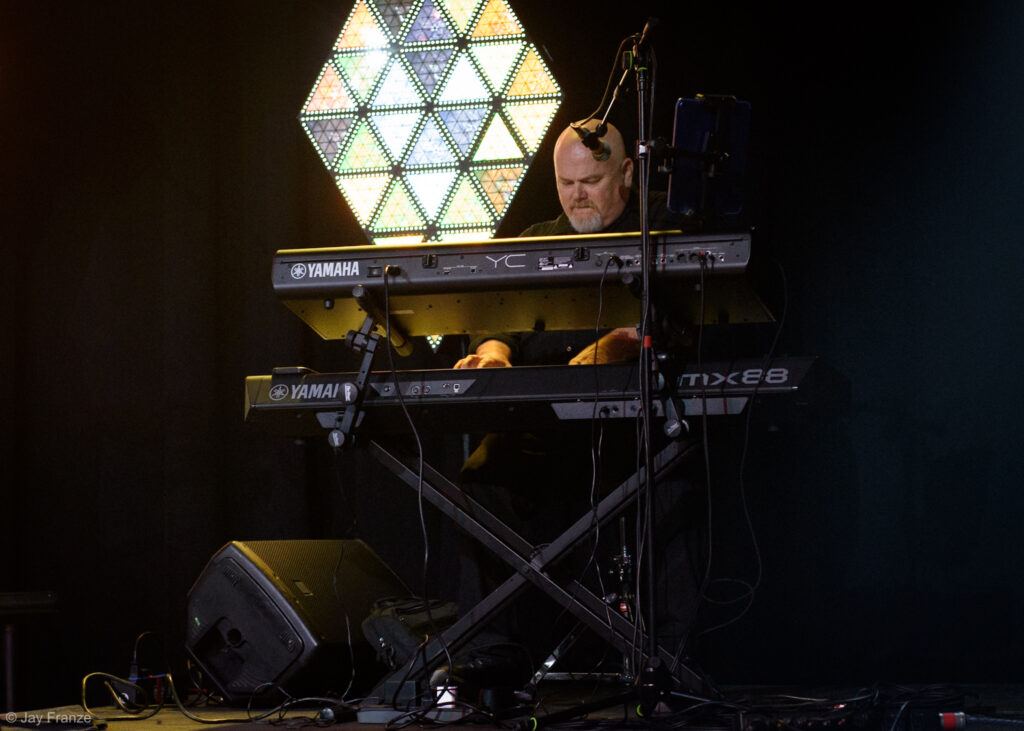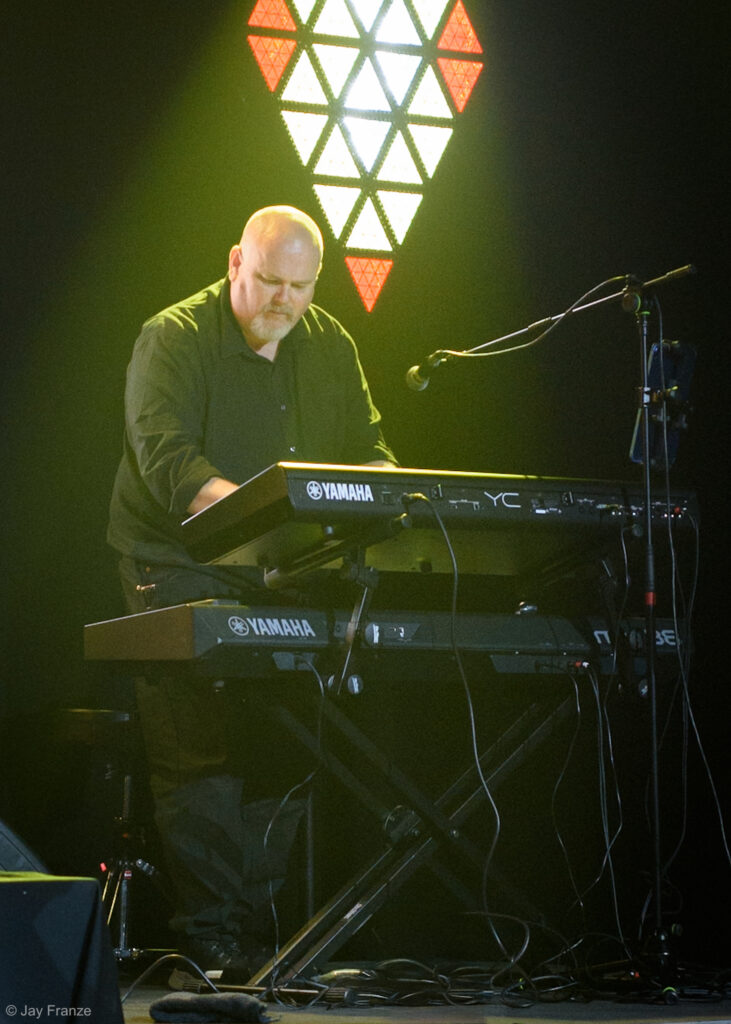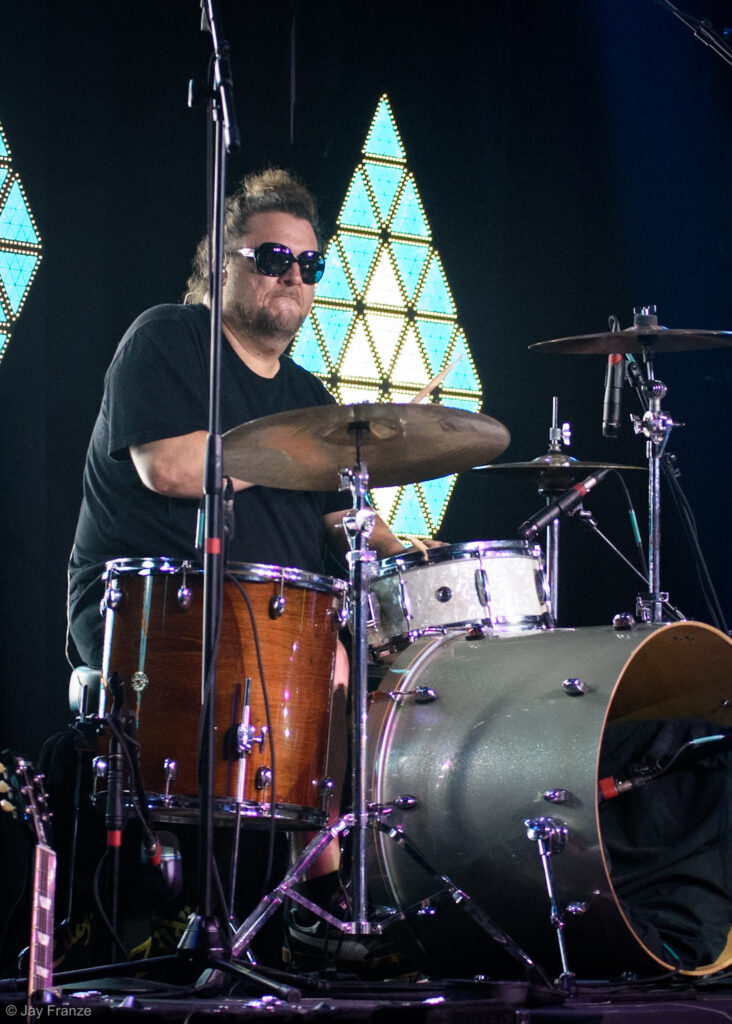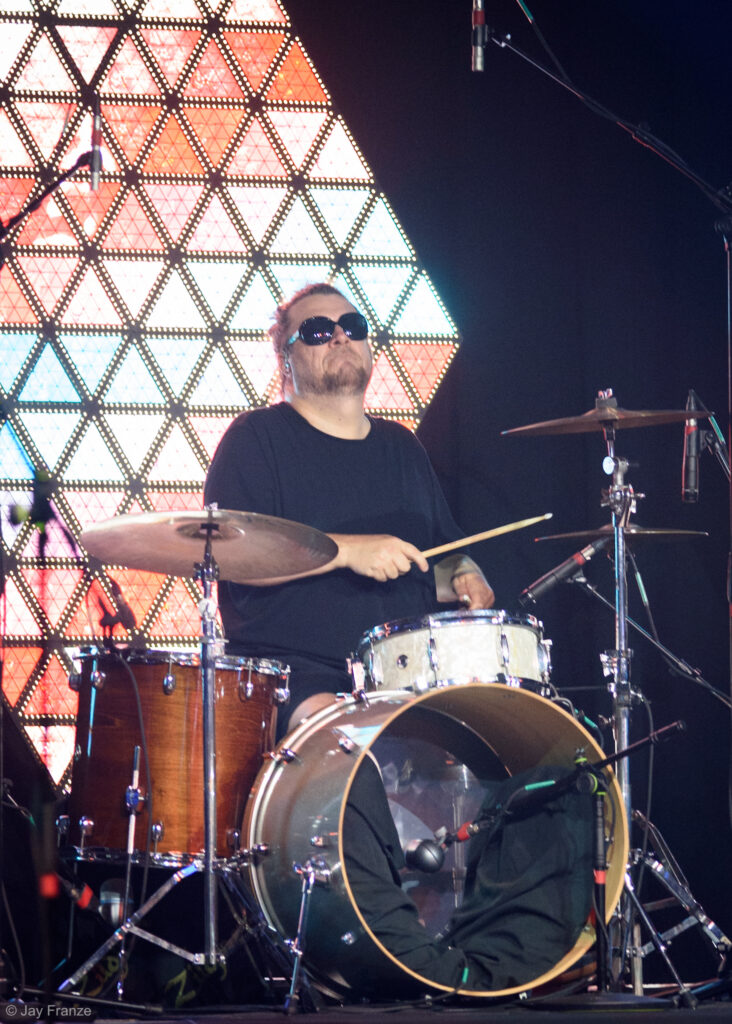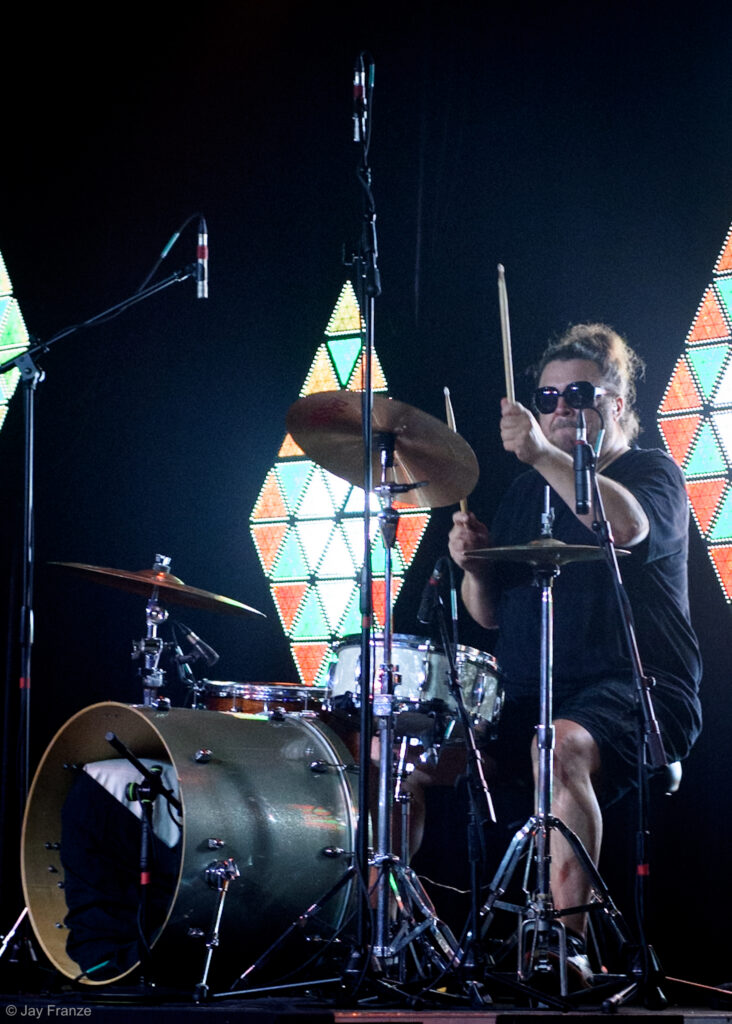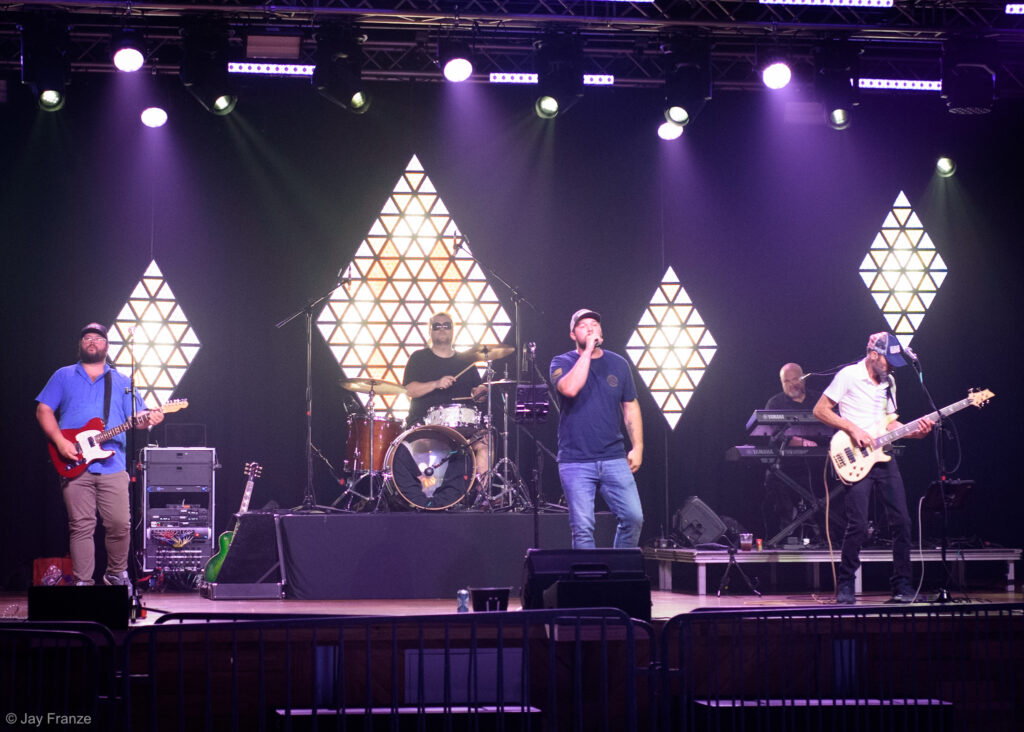
Twist It (King of Clubs, Columbus, OH) 5/23/26

There are bands that sound good on streaming platforms, and then there are bands that walk into a room and prove they belong there. On Saturday night (May 23, 2026) at The King of Clubs, Twist It made it very clear they are no longer “up-and-coming.” They’re arriving.

At a comfortable 75 degrees in Columbus, the scene outside the venue already felt different before a single note was played. Tour buses lined the building while fans wrapped around aging apartment buildings and a long-forgotten theater that once stood beside what used to be one of North Columbus’ premier entertainment destinations. There was something poetic about it, a new generation of hard rock fans gathering in the shadows of a faded entertainment empire.

And honestly? Seeing that kind of line at 6 PM before doors even opened says a lot.

The King of Clubs continues to prove why it has become one of Ohio’s best live music rooms. The 850-capacity venue delivers the kind of intimate chaos rock shows are supposed to have. Multi-tiered sightlines, loud fans, cold drinks, and not a bad spot in the house. It feels personal without feeling small, the perfect setting for a band like Twist It.

For me, this show had been building for a while. I first discovered Twist It a couple years ago and had them on The Jay Franze Show back on November 25, 2024, still one of the strongest interviews the show has ever had. Even then, despite being barely out of their teens, you could tell there was something different about them. They had vision. Confidence. Direction. Most young bands are still trying to figure out who they are. Twist It already knew.

That confidence exploded onto the stage Saturday night.

As the house lights dropped, the sold-out crowd erupted while the band walked onstage like seasoned veterans. Dressed like modern rock stars and entering to pre-recorded music, they immediately controlled the room before even touching an instrument. Then drummer Sarah Higgins triggered the backing tracks, counted off the opening song, and the place detonated.

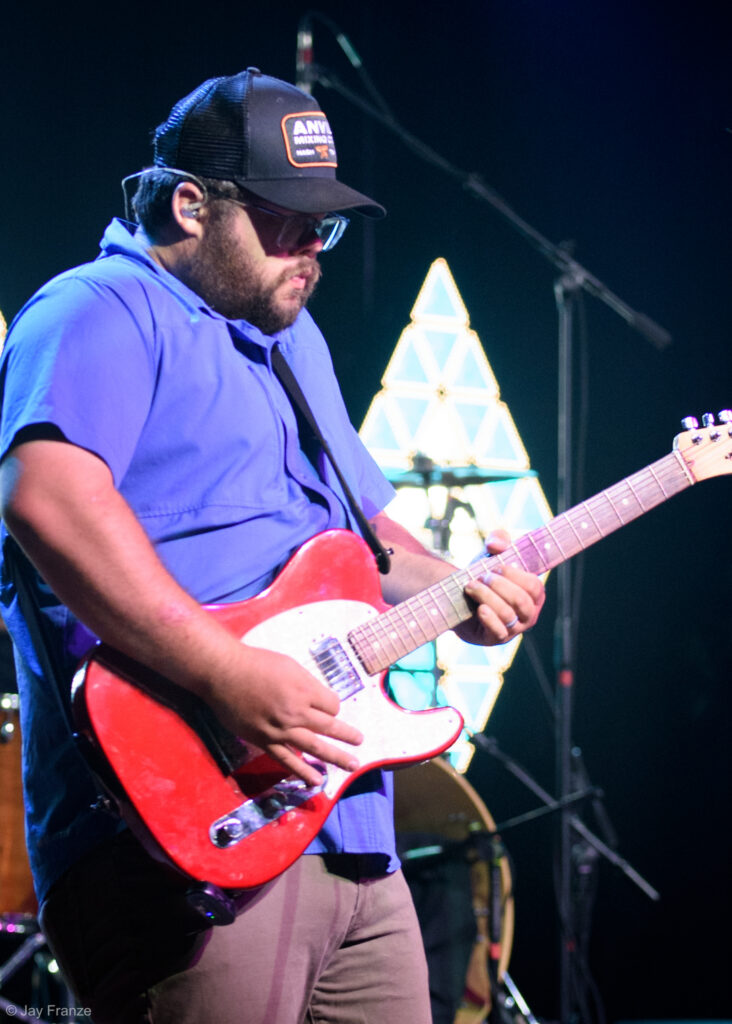
They opened with “Dark Thoughts,” which was the perfect call. The song hits like a panic attack wrapped in distortion, aggressive, emotional, and explosive from the first beat. Logan Smith’s guitar work was crushing live, balancing djent-inspired precision with massive melodic hooks. Meanwhile, Sarah Higgins delivered the kind of tight, machine-like drum performance that modern rock absolutely depends on.

And yes, they use backing tracks.

But unlike countless bands using tracks as a crutch, Twist It uses them as a weapon. This is still a true trio. Sarah plays the bass in advance and triggers the track while actively playing drums, which somehow makes the entire operation even more impressive. Everything had purpose. Nothing felt fake.

Then came the moment that really mattered, Kayla Hallman stepping to the mic.

Live vocals are where many younger modern rock bands get exposed. Studio polish disappears quickly under stage lights. But Hallman didn’t just survive the moment, she owned it. She delivered every lyric with conviction, emotion, and enough raw energy to make the crowd feel every ounce of anxiety and tension built into the songs. By the second chorus, fans were already screaming lyrics back at her.

That’s not hype.

That’s connection.

What stood out most throughout the set was the chemistry between all three members. You can teach technique. You can improve stage presence. But chemistry is either there or it isn’t. Twist It already has it, and that’s dangerous for everybody else trying to compete in modern hard rock.

Logan Smith deserves serious recognition here as well. His playing throughout the night was effortless in the best possible way, massive rhythm tones, sharp transitions, and melodic solos that ripped through the room without becoming self-indulgent. Every note served the song.

If there was one weak point during the night, it came from the front-of-house mix. The band was working with the house engineer, which is always a gamble. Sometimes it works because the engineer knows the room. Sometimes it doesn’t because they don’t fully understand the nuances of the band’s sound.

Unfortunately, the low end around 60 Hz became muddy throughout portions of the set, causing Sarah’s impressive double-bass work to lose some definition in the room. More concerning, Kayla’s vocals occasionally sat too low in the mix, forcing her to push harder vocally than she should have needed to.

To be clear, it didn’t hurt the performance. If anything, it added a little extra chaos and intensity to the show. But long-term, consistently oversinging against a heavy mix can become dangerous territory for any vocalist.

The band closed the night with their latest single, “Honest,” and it felt like the final statement of a breakout performance. Heavy, emotional, polished, and absolutely massive live.

Then came the part that told you everything you need to know about who this band really is.

After walking offstage to screaming fans, the members of Twist It headed directly to the merch table, taking photos, signing autographs, and talking with every single fan who waited to meet them. No ego. No fake rockstar attitude. Just three hardworking musicians understanding exactly who helped put them on that stage.

Class act.

There are plenty of bands chasing the future of modern hard rock right now. Very few actually feel capable of leading it.

Twist It just might.

Links

Keeping The Faith: Why Karen Waldrup Refuses To Let The Music, Or The Mission, Change Her

There are artists who build careers around image.

Others build them around hit songs.

Karen Waldrup has built hers around something much harder to fake.

Consistency.

Spend an hour talking with her and you’ll hear stories about Grammy-winning producers, legendary Nashville songwriters, The Voice, Dolby Atmos mixes, and recording inside some of Music City’s most iconic studios.

But those aren’t the stories that define her.

The defining moments happen between the headlines.

They’re found in handwritten messages from fans.

A rescued dog waiting on the porch.

A songwriter who became a friend because of a Titans football ticket.

A mission trip to Haiti that permanently reshaped her priorities.

And perhaps most telling of all…

An artist willing to publicly admit that faith, not certainty, is what keeps her moving forward.

That’s increasingly uncommon in today’s music business.

Nashville Still Runs on Relationships

Ask enough successful people how they got their break, and eventually you’ll notice a pattern.

Almost nobody starts by talking about talent.

Karen certainly didn’t.

Instead, she talked about kindness.

Her friendship with legendary songwriter Danny Wells didn’t begin in a writing room.

It began with a football game.

She jokingly leveraged an invitation to a Tennessee Titans game into a songwriting appointment, and the result became “Me Again,” a song she still considers one of the most meaningful recordings in her catalog.

More importantly, that relationship introduced her to songwriter Philip White, creating opportunities that extended far beyond a single co-write.

That’s Nashville in its purest form.

One genuine relationship becomes another.

Doors open because people enjoy working with you, not because they have to.

The Best Songwriters Know When to Stay Quiet

One of the more insightful moments during our conversation had nothing to do with lyrics or melodies.

Karen talked about learning from songwriter Ed Hill that sometimes the smartest contribution in a writing session is…

Nothing.

When another writer is fully locked into an idea, stepping aside can be more valuable than trying to force your own.

That’s a lesson that extends far beyond songwriting.

Great collaborators aren’t measured by how often they speak.

They’re measured by knowing when their voice actually improves the room.

That’s a level of creative maturity that often takes years to develop.

Chasing Great Producers Isn’t About Prestige

Karen has assembled an impressive list of collaborators.

Danny Wells.

Philip White.

Garth Fundis.

Dave Brainard.

Jeff Huskins.

Those names alone tell you she values quality.

But listening to her describe those experiences, something became obvious.

She isn’t collecting famous producers.

She’s collecting teachers.

Garth Fundis reminded her to stay hydrated because better vocals begin long before the microphone turns on.

Jeff Huskins introduced her to immersive Dolby Atmos mixing and showed her where audio production is headed.

Every producer added something beyond a finished record.

Each left her a better artist than they found her.

That’s exactly what the right producer should do.

Records Can Heal the Person Making Them

Artists often say an album was therapeutic.

Sometimes it sounds rehearsed.

With Karen, it didn’t.

While recording what would become No Way Back, she was quietly navigating one of the hardest chapters of her personal life.

A divorce.

Temporary housing.

Trying to keep life moving while simultaneously making music people would eventually hear as hopeful.

That’s a difficult emotional balancing act.

Ironically, the songs she had chosen before life unraveled became the very songs that helped carry her through it.

Rather than recording heartbreak, she intentionally surrounded herself with songs centered on faith, hope, friendship, and perseverance.

Instead of allowing circumstances to dictate the record…

She let the record reshape her circumstances.

That’s a subtle but important distinction.

An Independent Artist Who Thinks Like an Entrepreneur

Karen approaches her career differently than many independent artists.

Instead of releasing an album and then touring behind it…

She’s touring the songs first.

Letting audiences experience unreleased music.

Building anticipation.

Testing reactions in real time.

Only then releasing the finished recordings.

It’s a strategy borrowed more from today’s digital creators than traditional Nashville playbooks.

Some artists wait to see whether fans like new music.

Karen asks them before it’s released.

It’s unconventional.

But then again, independence allows artists to experiment in ways major-label schedules rarely permit.

Success Is Never a Solo Act

One question I always enjoy asking artists is about their team.

Fans tend to imagine independent artists doing everything themselves.

Karen quickly dismantled that myth.

Managers.

Publicists.

Marketing specialists.

Business managers.

Booking agents.

Drivers.

Video crews.

Charity directors.

Musicians.

Attorneys.

Producers.

An independent artist may own the business…

But it still takes an army to keep that business moving.

What stood out wasn’t simply the number of people she named.

It was how naturally she talked about them.

There wasn’t an ounce of “look what I built.”

Only gratitude for the people helping build it alongside her.

That’s leadership.

Fans Aren’t Customers

They’re Family.

Karen told a story that perfectly explained why her audience remains fiercely loyal.

When she finalized her divorce, she waited months before sharing the news publicly.

Not because she wanted privacy.

Because she felt she wasn’t being completely honest with the people who had supported her career.

That’s an unusual concern in an era where artists carefully curate every detail of their public image.

For Karen, authenticity mattered more than optics.

When she finally shared her story, the response wasn’t judgment.

It was overwhelming support.

Trust tends to work that way.

When you spend years earning it…

People usually give it back.

Music Is Temporary. Impact Isn’t.

Toward the end of our conversation, I asked Karen what accomplishment meant the most to her.

She could have chosen The Voice.

Working with legendary producers.

Recording iconic studios.

Millions of streams.

Instead…

She talked about Haiti.

About building homes.

Providing clean water.

Using concerts and fundraising to make tangible differences in people’s lives.

She described standing in front of donors and helping raise thousands of dollars in minutes.

Then quietly admitted that visiting Haiti permanently changed her own faith more than anything she had ever done in music.

That answer told me everything I needed to know.

Some artists use success to expand their careers.

Others use success to expand their purpose.

Karen clearly belongs in the second category.

Faith Isn’t a Marketing Strategy

It’s Easy to say “keep the faith” when life is going well.

It’s much harder to believe it when everything around you feels uncertain.

Karen’s newest music carries that message because she lived it before she recorded it.

The songs weren’t written to chase a trend.

They became reminders she needed herself.

Perhaps that’s why they resonate.

Audiences have an uncanny ability to recognize authenticity.

They know when hope has actually been earned.

The Real Measure of Success

By the time our conversation wrapped up, I found myself thinking less about studios, streaming numbers, or television appearances.

What stayed with me was something Karen said almost in passing.

She measures success by doing what she says she’s going to do.

Simple.

Reliable.

Consistent.

In an industry constantly chasing the next viral moment, that philosophy almost feels old-fashioned.

Thankfully.

Because careers built on trends eventually fade.

Careers built on trust tend to last.

Karen Waldrup has certainly enjoyed her share of impressive milestones.

But after spending time with her, I suspect those milestones aren’t what her legacy will ultimately be.

It will be the people she encouraged.

The artists she inspired.

The fans she never stopped treating like friends.

And the quiet reminder, both onstage and off, that sometimes the most powerful thing you can do is simply…

Keep the faith.

Karen Waldrup

One great co-write can change a career, but only if you understand what actually happened in the room. We sit down with Louisiana country music recording artist Karen Waldrop to get specific about the songwriting process behind “Me Again,” including what it was like writing with hit writer Danny Wells, how the melody and structure came together, and why the best collaborators know when to lead and when to get out of the way. If you’re a songwriter, an indie artist, or just a listener who loves the story behind the song, this conversation is packed with real craft, not mythology.

From songwriting we move into the studio, where Karen shares what she learned working with producer Garth Fundis and what it takes to track a record in iconic Nashville spaces like Sound Emporium, Soundstage, and BMG Studio A. We also talk about making music that holds up in 2026 listening environments, including Dolby Atmos mixing for immersive audio and why she’s pushing for the best possible sound. Karen breaks down a bold independent artist strategy too: touring songs before releasing the full project, using real-time audience reaction to guide what comes next.

The emotional center is her new release “Keeping the Faith,” a hopeful country song rooted in belief, prayer, and the decision to keep moving even when life hits hard. Karen opens up about going through divorce while finishing a positive record she calls “No Way Back,” why honesty with fans matters, and how her community showed up through a Mother’s Day video built from fan-submitted photos and stories. We also zoom out to the bigger legacy she cares about most: her long-term charity work supporting Haiti through homes, clean water, and music-driven fundraising.

Subscribe for more artist interviews, share this with a friend who loves country music storytelling, and leave a review if you want more conversations like this. What helps you keep the faith when the plan falls apart?

Episode Links

Send us Fan Mail

Support the show

Links

Contact

Socials

Services

Books

Merchandise

Support

Shout Outs